The next move is yours
We’re ready when you are.
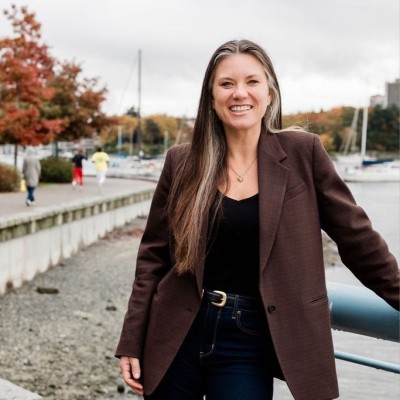
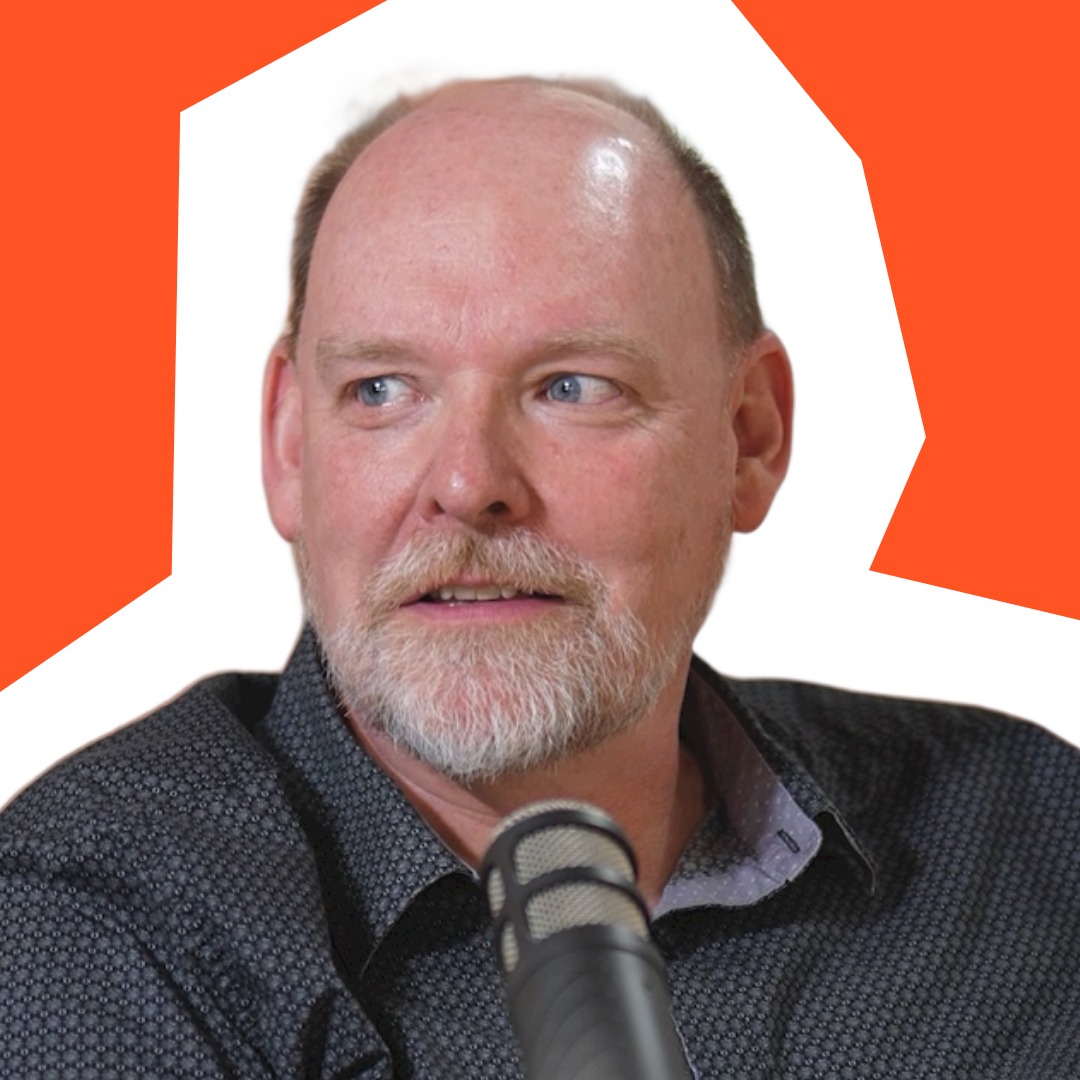
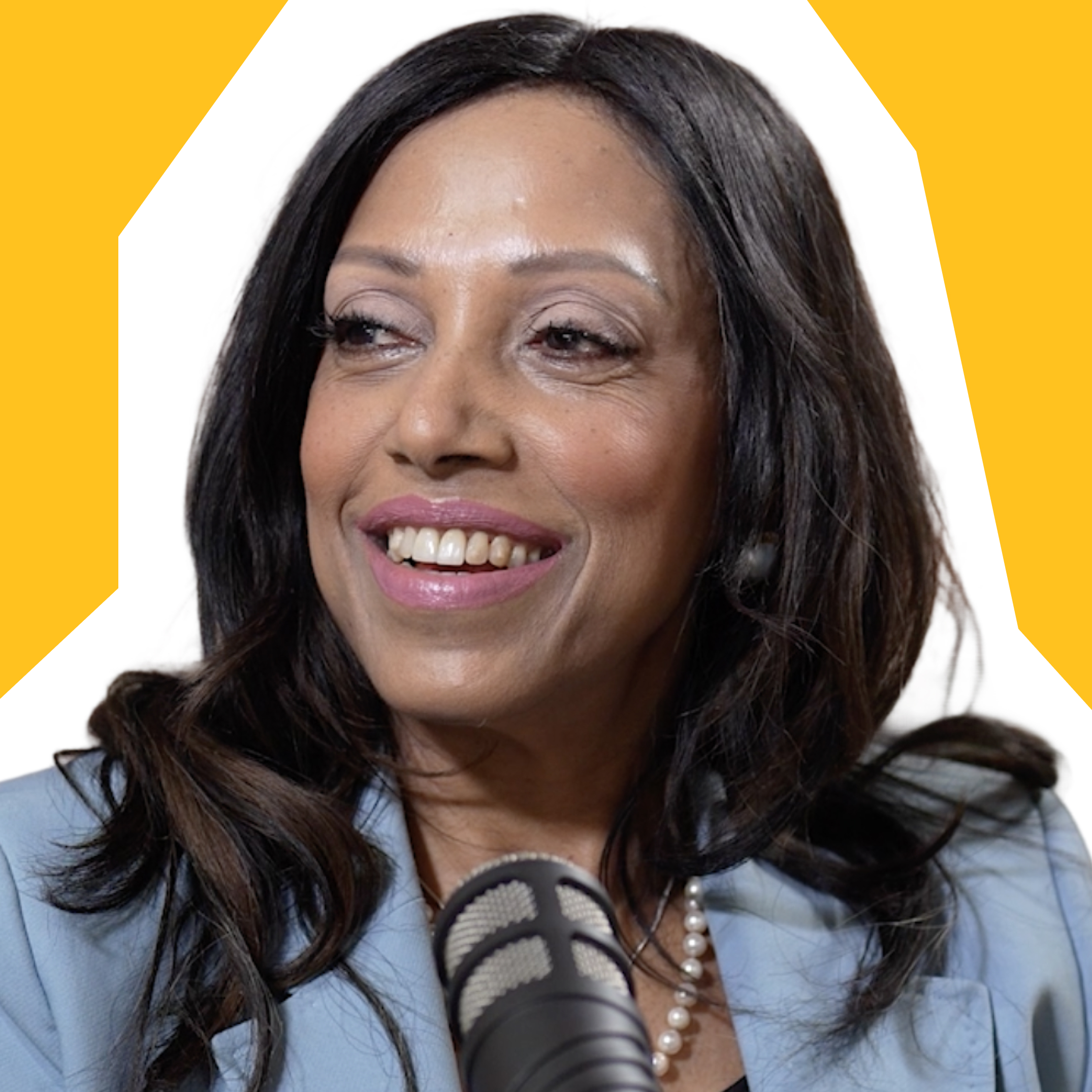
In this episode of High Agency, we sit down with Amanda Burrows, Executive Director of First United Church Community Ministry Society and a leader working at the intersection of culture, care, and civic power. From her early work in arts and philanthropy to leading one of Vancouver’s oldest frontline institutions, Amanda offers a rare perspective on what happens when fundraising galas meet overdose response, and when culture is treated not as a luxury, but as infrastructure. We explore dignity as a non-negotiable, the difference between placemaking and placekeeping, and what it means to design systems that give communities real power—not just a seat at the table. A wide-ranging conversation on leadership, accountability, and why the future of cities depends on how we care for the people most impacted by our decisions.
Amanda Burrows 00:00
Is culture just a commodity? Is it meant just to be tourism? It's okay to get revenue generation off of these beautiful things to showcase, show off, tell stories. If it's contextual to the land that you're visiting too. But what is it doing for the people, for the workers, for the students, the artists, the creators? This isn't just about placemaking.This should be about placekeeping. What stories are we telling? And so there's opportunities if we're really balanced and authentic with why the motivation for the project in the first place.
Mo Dhaliwal 00:36
Welcome to High Agency, igniting conversations with inspiring people leading transformative change. There's a particular kind of leader who moves from fundraising galas to frontline overdose response and discovers that the two aren't as different as they seem. This type of leadership requires asking uncomfortable questions about who deserves what and why. And Vancouver is a city that markets compassion while criminalizing poverty, where arts funding remains as elusive as housing. And these contradictions aren't abstract.They're decisions that are made in hallowed halls and boardrooms about buildings, budgets, bodies, and campaigns that carry dignity as the price tag. The distance between community engagement, and actual community power can be measured in neighbourhoods that are rezoned and the gap between the theatre of community consultation, and truly letting people decide what they want for their communities. When a 140-year-old institution transforms from a charity into critical civic infrastructure and when legal advocacy becomes provincial law, something shifts in how we understand culture, money, and care as civic tools rather than separate domains. Amanda Burrows is the Executive Director of First United Church Community Ministry Society and a declared candidate for Vancouver Mayor. Her path from museum fundraiser to leading one of the city's oldest frontline organizations offers a rare view of where these worlds actually meet and how a commitment to creating change often lands everyday people into major leadership roles. Welcome Amanda.
Amanda Burrows 02:31
Thank you for having me, Mo. What an honour to be here today.
Mo Dhaliwal 02:34
It's great to have you. So quite a lot to dig into in regards to your role in Vancouver and a number of institutions that you've worked with. But I want to start with this announcement event that I was at last week or two weeks ago. And I happened to have a short conversation with your mom. And your mom and dad were very proud of you and gushing at this event. But at the same time, they seemed kind of like not too surprised either. And when I talked to your mom, she said, oh, yeah, this is just Amanda. She's been doing this her whole life. And when I kind of inquired about that, she mentioned that some of your earliest sort of activism was in elementary school or something. And I'm not sure if it was an environmental effort or what it was. But let's start there, because your mom really took this announcement of wanting to be selected as a candidate to run for mayor. And at this announcement event, again, very proud, very encouraging, but also sort of non-plus by the whole thing.I'm like, oh, that's just Amanda. This is what she does. So let's take it back to elementary school, I guess, of what was your first act of major community change and activism?
Amanda Burrows 03:47
I'll give you the short story. Oh, I almost want to cry, my beautiful mom, keep my cool. Yeah, she would be referencing in the 80s when the environmental movement was gaining traction. And I was in elementary school, and I was part of the very first environmental club. And we were trying really hard to do the reduce, reuse, recycle movement, and get our fellow students to listen. And so I was part of this club and did some plays and did some protests with other students during that time. And that's what really ignited seeing some of that change and organizing, actually, I would be eight. And from there, I was doing some work as a child around gary oaks and planting trees. And I was around clayquat sound and stuff like that. So that's where it started.And when I would travel with my mom, she's from California, I was really overcome by seeing a lot of pollution and what was happening. And I started writing letters to the president, her president, and yeah, that would be what she was referencing. And I guess when your child, sometimes they call that precocious. I don't know what they call it now, community builder. But yeah, that's so lovely. Thank you for sharing. Also at that, you'll notice my mother is very funny and stole the show with a couple of jokes, which has just brought me so much joy to witness.
Mo Dhaliwal 05:07
I was very fun, very fun event and just awesome watching your parents reaction.Um, so I mean, you know, from, uh, eight years old till now, a couple of years have passed, um, and in that time you really had a hand in a number of different arts organizations. And even though, you know, you live and work here today, and this is kind of where you got your start, uh, you wrote in Ontario for a while. And so what took you out there? It was at the, the AGO.
Amanda Burrows 05:35
Yeah, yeah. I moved to Toronto actually to do grad studies, the Faculty of Information, which is the faculty that has all the archivist librarians in museum studies. My focus was in museum studies. So during that time, I actually started really studying the idea of the Guggenheim Effect. And RIP Frank Gehry actually, it's that the Guggenheim Effect is how do you use a culture, a cultural institution to rejuvenate a city and so particular in Bilbao, Spain, that happened with the Frank Gehry Supercell Architects structure. And I was really fascinated by that project because I started to try and figure out what's the accountability back to community with a civic infrastructure like that. Is it just for tourism? Is culture just a commodity? Or it's again back to community. How does community get involved with this? So I started reviewing that in context in Canada.And actually, I did work at the Guggenheim in New York for a bit to understanding these massive structures. So through that work at the University of Toronto, studying these institutions, that's actually what brought me to being a fundraiser. Because I started looking at the financial modeling of these projects are in the hundreds and hundreds of millions of dollars. And our tax dollars go into it, philanthropy, corporations, sponsorship, names up. And how are the people actually involved with this? Culture is infrastructure. And since it's part of our infrastructure, how is a community involved in that process? And often it's not. And even in our grad thesis, as a team, we did an exhibition. It was called Mischief and Malice, Crime in the Museum. And it wasn't just about Banksy being mischievous. It was about the museum and institution is criminal. The stuff that's in our institutions around the world are often stolen artifacts. How are we doing with repatriation? That means actually bringing back these objects back to the original cultures, which is a very hot topic in Canada around indigenous art and artifacts.We studied that too. And then just the accountability again, back in a civic environment. So it was through that learning that actually became a fundraiser and wanting to understand of how we mobilize people to get the resources, to share the resources, to build these types of structures. And then I miss Vancouver. I miss the West coast. So I came back.
Mo Dhaliwal 07:51
When did it dawn on you, because it's one thing to have an area of study, but was it a part of your studies, this kind of illumination that museums can be sites of heritage and preservation and learning, but also sites of crime because of colonialism and the amount of theft and violence that actually result in these museums even having these artifacts? I've been to London many times and, of course, a giant, violently oppressive colonial empire is going to have the best museums in the world because they stole shit from everywhere.So when did it dawn on you that actually there's another side to this?
Amanda Burrows 08:32
Yeah, because I did my undergrad in art history and the reason I chose that was I wanted to know the most about the most and an art history degree at the University of Victoria had such a breadth of learning. So I'm a very curious person and I started learning about all these different cultures and art and it was called history in art. So it was really about learning the context upon which art is produced. So I got really interested in the sense of belonging in the way that we have culture to show expression and build resilience.And then I was like, oh, well, there's museums. Like, what's the next step? Well, museums are something that captures all this together to story tell. And it didn't take me too long to figure out that these structures are power brokers and so often what is told in a museum, there's so much more that's not told and not represented and that museums are supposed to be the agora, the gathering place for storytelling and sharing. But we commodify objects so much and make them so famous. And then we put this financial value on them. So I became quite, oh, I don't want to say jaded, illuminated about the dissonance in these structures. And I still love going to museums. I absolutely love supporting museums. I love being part of this dialogue to really get to the root of how do we story tell and build and the Vancouver art gallery, what's going on right now. I mean, this is my, you know, my last 20 years of having these conversations about building these structures and having a superstar architect build what was supposed to be there is a classic Guggenheim effect of wanting a treasure tourism emblem in our city, where sometimes it's been joked around that the container is more valuable than the contained. It's just to have these like, you know, landmark historic moments. And because it was too expensive, we're restarting. What are we going to do as a city in this opportunity to restart this project? How are we convening communities around the site? Where is the site? The site is on unceded, unceded stolen land. How are we engaging Musqueam, Squamish and Tsleil-Waututh nations in this conversation? How are we engaging period? How are we talking about housing in this conversation on this site? Vancouver art gallery on the site that is going to apparently go to now had modular housing, had people who are unhoused have homes build belonging in a community that they loved right in the middle of downtown. And it was this very big success, but it had to be, they had to be evicted to build the art gallery and people were on board with that. But now they're evicted. The modular homes aren't there. The project was stalled. They've repaved a parking lot. Now it's a big parking lot. It'll probably be a beautiful public viewing space for FIFA now. But again, we're at an opportunity. So, and I'm excited by that opportunity.
Amanda Burrows 11:24
There's a space. We're going to build something. What can we build? What can we imagine? And it's got to be part of community engagement.As you opened with, we cannot have just retail community engagement and just check a box and say, we've convened and then go home because when you see real community engagement, you see real longevity and storytelling, and then we see where places and spaces that we've erased come back and there is so much beauty and power in that reclaiming those histories. So I'm excited by the potential of that, but I'm a tad skeptical.
Mo Dhaliwal 12:00
I don't think anybody would fault you for being a tad skeptical of Vancouver. But let's go back to the Guggenheim effect for a second.So is that what it is? The Guggenheim effect is the idea of just having some really flashy institute, some building, some structure, and that that's gonna act as a beacon for people. Is that what it is?
Amanda Burrows 12:17
Yeah, I mean, it worked and it worked in Bilbao in the 90s and so, and just to really honour the Basque Country in the space of what was happening contextually is they were losing jobs and resources and trying to have rejuvenation. And this is what happened, you know, this wasn't a typical place where, where you, this wasn't a Paris where you put another, you know, this was, wasn't a typical in context to having this type of museum there. And it, and it was a success, it did bring tourism, it did lift the economy for people. So let it, let us honour to what's happening contextually with people's livelihoods and workers needing, needing jobs.And yet, and yet it was an example, the Guggenheim Effect turned into a brand that the Guggenheim then started to do, they went to Vegas, they've gone to Abu Dhabi and trying to do these multiple projects and then other institutions replicating as well. And so again, it comes back to, is culture just a commodity? Is it meant just to be tourism? It's okay to get revenue generation off of these beautiful things to showcase, show off and tell stories. If it's contextual to the land that you're visiting too, but what is it doing for the people, for the workers, for the students, the artists, the creators? You know, this isn't just about placemaking, this should be about placekeeping, what stories are we telling? And so there's opportunities if we're really balanced and authentic with why the motivation for the project in the first place.
Mo Dhaliwal 13:43
I mean, that disconnect seems to be a pattern in so many other spaces because what you're describing is the Guggenheim effect. I think Vancouver in particular because it's a small city with a large PR strategy, right? So I feel like the PR around Vancouver is sometimes quite a bit larger than what the city actually is and the size of it. We like to call ourselves a world-class city and very livable, beautiful place, but at the same time, it's a village in comparison to the cities of the world, right?And we seem to be a little prone to that Guggenheim effect, but in a number of spaces, right? Whether it was the Olympics, whether it was FIFA now, and I'm sure the same argument was made with the new site for the Vancouver Art Gallery or other institutions like that. The idea being that the reason why we need this big thing here, this big spectacle is because of the economic benefit. It's going to help the local community, it's going to create jobs, et cetera, et cetera. And then there's a sort of period of that dream kind of cratering afterwards for a while, and then a later sort of reconciliation of like, okay, what really happened and what were the pluses and minuses and how we came out of that. But you mentioned FIFA especially, and that's an interesting one for me because I would say being connected to the Van Ock organization and the Cultural Olympiad and what actually happened for the Vancouver Olympics, I would say that there at the time seemed like a pretty sincere attempt to actually involve the community because there was like this three year build up to the Olympics themselves and a lot of communication happening, whereas FIFA seems to be, I don't know, maybe a little bit more almost mercenary in how they deal with like whole cities and how they negotiate those things. And so I myself am wondering, with all the economic promises and all of the investment that's going to take place of how much care and attention is going to go into actually activating local community, right? And just speaking to the site of the Vancouver Art Gallery for a second, I actually had a similar reaction because I walk by that site all the time, right? Like a couple of times a week at least, I live very close. And I saw the temporary modular housing and knew what it was for and was happy to see that there. But then we're breaking ground on a new art gallery. So of course everything is just swept off and cleared away. And then as soon as the plans are canceled, right? Very quickly, it's repaved back into a parking lot. And it's like those actions we can take and they're quite fast. But I'm not sure how long it would have taken to get the modular housing there in the first place. And it's not like once it's a parking lot, that modular housing came back right away, right? So there always seems to be this lag in terms of how we deal with like the humans, the people that make up this place and what our relationship is with them and how we take care of them.
Mo Dhaliwal 16:28
But not so much lag when it just comes to the physical infrastructure, right? The cutting of these deals, the investing into the stadiums, the arenas, right?Where else are you kind of seeing this Guggenheim effect show up?
Amanda Burrows 16:47
Well, I mean, there was an announcement yesterday, a potential between the city and the White Caps to build a new stadium where the Hastings race course track is now going to close out in East Vancouver. And just, you know, that was, you know, breaking news and the suggestion that it was a coincidence that this announcement was coming at the tail end of Hastings racetrack saying we're no longer going to operate. So that sort of, you know, flurry and excitement about the possibility and that partnership that the province wasn't aware of, you know, it is an interesting, probably an example when it comes to sports and recreation and how the city right now, as you speak into brand is trying to be that world-class city, showcase itself that way, attract people to come visit in the sporting events. And that has every sporting event in our history of Vancouver, and we hosted Commonwealth Games before too, but certainly from Expo 86 to the Olympics, and now it's going to happen with FIFA, really are very distinct benchmarks in us for city building about, and you can hear people when you're talking to people, people talk about like, I remember when Expo came or remember what it was like before Expo, remember what it was like after the Olympics?Yeah, I remember how rent got, how high rent got after the Olympics. So those actual moments that we're excited about and we attract the world and we're on the world stage are opportunities, I think, for what we can do around what I say is legacy infrastructure. So when it comes to, for example, FIFA, FIFA did say for the first time, and not very robust comment, yet they did say for any host city, for any matches, you have to adhere to human rights. Now take upon what that means, all 16 host cities, okay, and so then what are the host cities to train? I'm on part of a group international coalition called Dignity 2026, where we're taking that comment of human rights and we're actually applying it to a framework of how is that going to show up in a city. That means how are workers going to be treated. That means what's going to happen actually with my colleagues in the States, what's going to happen with ICE, potential harms that are going to be happening, is the National Guard going to be called in. In the context of Vancouver, what is going to be happening for our unhoused specifically, because this two kilometer radius on a beautification around the stadium, I don't think people are really aware of how, of course, dense Vancouver is, and to have our stadium right in the center of where so many of us live. Do you know how far out two kilometers goes? Well, it certainly includes Yaletown and it certainly includes the Downtown Eastside. So the residents that are actually in these communities, no one's fully aware of how they're going to be impacted. Businesses aren't fully aware how they're going to be impacted because it is a regime and a machine, a FIFA that's coming in. I was told we have no idea what's coming. You have no idea that when a match comes to your city, it is a hundred times the size of a Super Bowl.
Amanda Burrows 19:37
I don't even think that we can reconcile what a Super Bowl would feel like in Vancouver, let alone the mass that's coming. Have I seen the city with any transparent plans presented to community about how that's going to impact a business owner, a resident, or somebody who is unhoused? Not in an acceptable way.When I talk about, and this didn't happen overnight, we won the bid eight years ago. We should have hit the ground running and planned what I say is legacy infrastructure. For example, we were talking about modular housing. We could have, with all of the easy parking lots across the city, put up a ton of modular housing, which doesn't take that long because 40 to 60 units costs a fraction of what housing can cost and its dignity, great, durable infrastructure can last 40 years. We should have been putting those up in parking lots and giving people spaces and places to live.When it comes to legacy infrastructure, what are we doing with the public washing situation? Not just for the tourists that are going to visit, but for the unhoused where we can see so much human waste on your walk to work. People do not have places to go to the bathroom.We could have actually been building in some infrastructure, not porta-potties that last beyond the games. There has been an incredible amount of missed opportunities here, and I am such a person who wants to bring people together to hear what the concerns are and to do some solutions and something about it. We're running out of time.I just find it so frustrating that as a city, we're now reacting to the surprise that this massive event that we courted to come is coming. We are not quite sure of how it's going to be for the residents who actually live here.
Mo Dhaliwal 21:15
Well, it's interesting because I will say, I mean, the Olympics are pretty big as well. The golden goal. Yeah. It's fun.Crosby and the, but in the lead up to the Olympics, there did seem to be a lot more information and public discourse about what was going to happen and how it's going to impact the city. And I've been kind of wondering because almost kind of flippantly as mentioned that like, oh, FIFA next year, like really is it next year? Because this year is over. 2025 is over. And 2026 is a couple of weeks away, days away. And we have planned for this massive event to land on this city and many others, but just haven't heard anywhere near the amount of conversation we had during the Olympics around how this can impact us, what it means for the city or infrastructure projects or what's required. So I myself am wondering how it's going to land and what's going to happen.
Amanda Burrows 22:10
Yeah, my hope is everyone has a safe time, a good time, and we're all blaming each other. It sounds like, but from the people I've been listening to convening with, we have some solutions and we want to implement them.So it is a safer games and that there's inclusion for everybody who lives here to participate and hopefully a fun, fun time that hopefully doesn't drive up rents when it leaves. You know?
Mo Dhaliwal 22:34
I mean, caring about all this stuff and being involved in this way, I mean, it seems kind of stressful and frustrating, right? I mean, like, why do any of this? Why care about any of this?You know, you and I met... Yeah, mom. Thanks. You and I met years ago when you were working arts and culture and I was sitting on a number of boards of arts organizations. And I spent six years as a board member on the Vancouver Opera. And, you know, from that world of arts, culture, especially the opera and this whole realm that is kind of seen as luxury almost, right, and especially in this city is very much treated as like the luxury sort of add-on as opposed to something that's necessary to integrate and actually make this place, you know, not only livable, but actually give people a reason to engage with each other and build community. And you were in a number of fundraising roles, I think, for a number of different arts organizations. And that was sort of your world, right? And I think you were pretty astute early on in getting involved in cultural institutions from museums and then later on arts orgs to kind of follow the money and say, if we're going to make an impact in this space, we got to resource these things and let's go there. But it's a pretty far cry moving from what is seen as like kind of a luxury, right, working arts and culture, fundraising, doing development for the opera or other orgs to what is now a very frontline organization, right? So how did that change happen? Like what was the trajectory of going from, you know, fancy galas for, you know, opera productions to fundraising for very life-and-death situations that for us narrated churches involved with?
Amanda Burrows 24:26
Yeah, from the fundraising gala to the front lines. I like that framing.So yeah, I've worked in philanthropy for decades. Do you know what the philanthropy literally means? Love of humanity. Yeah, exactly. That's why I do it. And the first time it ever showed up was in, uh, in that, in that term, philanthropia was in a Greek play and it was the story of Prometheus and Prometheus was forbidden by the Titans to give humans the ability to make fire because with that fire came knowledge in life and the Titans wanted to be able to be the controllers of that. Uh, but Prometheus did it anyway, gave humans the capacity to make fire themselves. And based on his philanthropia, his philanthropic gesture, he was bound to a rock for in perpetuity. Yeah, that's my pitch before I make it an ass to a fun for, to a donor bound to a rock. No, but the point being, it was, um, the importance of sharing power.
Mo Dhaliwal 25:25
I think that's how most development directors probably feel, like I'm just bound to a rock.
Amanda Burrows 25:30
to me what lands with the story is that it's about capacity building, it's about sharing power and it's sometimes giving that away isn't always comfortable. And so when it comes to fundraising specifically as a profession in any space in place, I say to philanthropists, philanthropy is not going to solve what makes philanthropy possible. Like mass wealth accumulation done in the context that we're in, to all of a sudden give charity, like charity isn't just going to solve deep systemic issues around cycles of poverty and oppression that we need to break, but reallocating and having a conversation around resources. I have loved being able to do this is showing up for people listening to people and saying what people are, why are you so bold and confident fundraising? And I'm like, because I believe in resources are meant to be shared. And I love being that conduit to make that invitation. I don't beg people for money. I invite you in with the resources you have to make more equitable spaces and places. So that is my, my grounding.And so whether that's in arts and culture or in, you know, the social services that I'm in, that's going to show up because the arts and culture is about the expression. It makes life worth living to express ourselves. So the transition between one or the other, it's never been one of the other. It's always been a both and it's always been a both and since a young child, when the Vancouver Opera came to my school, actually, maybe it was after my environmental play, because I think it was the eight as well. Vancouver Opera came to my school too, and that introduced me to that art form. And so when I think about art, as you said, luxury and opera, certainly it's ubiquitous with gowns and champagne, however, opera was always meant for the people, by the people and had tremendous social and political commentary that really underscored what it was about and shared. And so I love bringing that back to the people and seeing community engagement, bringing opera to people that haven't typically been hearing or listening to opera, seeing resonance and wonder and just the sheer beauty, like you can just hear skill. You sometimes don't even need to know what's going on and there's just like an admiration and respect for the skill in front of us, but then you can layer on what the story is being told too. So naturally, I transitioned about 10 years ago back more into sort of social justice work, civic engagement with the Museum of Vancouver and something, actually, in that museum, Saikar here, something I really love they did was SESNAM, an exhibition that was really great, Musqueam Archaeological Site came together with Host Nations and did that exhibition right around when I had started. And that I thought was really coming off of some other examples of sort of harmful arts institutions.
Amanda Burrows 28:08
I found that really inspiring. And then that steadily brought me into some more work of nonprofits and work through food security, youth aging out of foster care, education, like just environment, like there was just all these groups I was working with to hear about what kind of impact they're trying to make in community. And I was helping them build capacity, connect the if-then, what are you trying to achieve and how are you going to get there in your programming, your intervention? How are you storytelling? How are you bringing your communities along? How are they informing your programs? How are donors, funders, governments walking alongside you? How are you lobbying? I love having conversations around that.And what ended up now happening was COVID. So when I was in March of February 2020, when everyone was so scared, somebody who knows that I'm an organizer called me and said, I hear you know how to get things. Can you help us get 5,000 bars of soap and bring it into community because the simplicity of staying safe and alive was soap and the Downtown Eastside didn't have access to soap. And so I went, I'm going to get you more than 5,000 bars of soap. So we mobilized a very big community led grassroots groups. We raised hundreds of thousands of dollars the first few weeks. And just, I know based on that movement and it was so community led that that absolutely reduced the harm that everyone was so fearful was going to happen in the Downtown Eastside. Actually, the New York Times even highlighted what happened in the Downtown Eastside of that when community comes together, that some in a vulnerable community where we thought this was going to rip through the neighborhood and take lives, it didn't. And it didn't, whether it was a, you know, people wanted all hands on deck the rest of the city because they were afraid that COVID would then rip through the rest of the neighborhood, or people just morally said this is the right thing to do. I don't know what the motivation was, but we did all come together. And that example of community building and showing up for people was absolutely pivotal in grounding me in my next phase of leadership. And then First United came calling and recruited me to help get a whole gobs of money for their beautiful project that we're building.
Mo Dhaliwal 30:23
I mean, that sounds to me like philanthropy, like what you're describing in terms of how people showed up and what their reaction was to COVID and supporting a community in need. Um, but I've had a bit of attention with the word philanthropy for like many years, right? Where like love of humanity, of course, right? It's, it's beautiful. But when philanthropy was sort of held up as some really high virtue is where it has some tension with it, right? Where being charitable, um, especially, you know, wealthy people, um, showing up as big donors, there's so many institutions, there's so many spaces that wouldn't even be possible if it wasn't for the charitable donations of sometimes a select few, right? And sometimes one family will show up and make, you know, big commitments and investments. And these are very laudable things, right? And, and, um, you know, their generosity I think really needs to be, um, not only celebrated, but also encouraged, right, as a, as a behavior model. But sometimes when philanthropy is held up as being just a virtue as opposed to your sort of baseline of how maybe you should approach systems and people and community, that's where I have attention with it.Because to me, like the, what you're describing, like the ultimate form of philanthropy actually would be to say, what created these disparities and inequities in the first place. And if we can go and dismantle those things, maybe that's the ultimate form of philanthropy, because now we're creating this baseline rather than assuming that there's always going to be this, um, dichotomy of haves and have-nots and any of the haves that support the have-nots are going to be celebrated, but we're always going to have that dichotomy, right? And so I've always had a bit of attention with that word because like I get it, but at the same time, like if it only ever remains a virtue, we're never really going to get to the root causes of what causes some of this and actually address the dismantling that we need at that level.
Amanda Burrows 32:21
love. And where I like to start in this conversation, because there is tension in philanthropy, as it's been described as capital P of luxury elevation names on, on institution naming rights, my god, maybe right, getting started. So where I come back to philanthropy about the love of humankind, a story that stands out to me as you're saying that is during COVID-19 and the mobilizing we did for fundraising, one person, because I saw the money that came in and a lot of people left comments, encouraging comments. Thank you for the doing this. One person had left $5 and said, this is my last $5 on their like visa because I live in an SRO and you're feeding me every day based on this initiative. And this is all I have, but I just in a small way want to give back. That is philanthropy. That is the love of humankind, right?So let's start there with what connects us the most, whether it's $5 or 5 million, sometimes the motivation is really about making an impact. Some of these very wealthy donors that I connect with, a lot of them actually truly care about making a difference too. So I start there, but I like to disrupt as well. So our, our project right now that we're building is a $94 million redevelopment project in the downtown East side. And it's, it has taken a lot of generosity from $5 into the millions for sure. The amount, the depth and breadth of giving from a variety of segments of our population has been so inspiring. It's one of the absolute highlights, honors of my career, my life. And one, one example there as, as coming into this project, we decided is, is this whole project and it's a much larger story, but is around reconciliation and action. We are a church that's building social and social and supportive housing for indigenous folks. How is that? That's a whole conversation about relationship building. But within this project, some of the work that we did around the fundraising was around naming rights, since since you brought up naming rights, is we decided that nothing in this building was going to be named after donors, no matter how big the gift was.
Mo Dhaliwal 34:32
I love it.
Amanda Burrows 34:33
And that was not to ever demean the generosity of donations. We have had conversations with this space won't be named after you. It'll be named actually after an indigenous name, whether that's a person or the name of a site or land. And thank you.And I had colleagues saying, you are leaving money on the table in your fundraising 101 best practice naming rights right up there in your benefit grid. We, if anything, you know, uh, I won't say a civic institution called me as well and said, how did you do that? What's your policy? Can I have it? What were those conversations like we want to do this too, a city staffer, beautiful, right? Like just, um, and just like that dialogue and it was provocative and let's not make this so unique and imagine Canada big regulatory body, uh, in Canada around the charitable sector highlighted this work. It was something that had not really ever been done before or to my knowledge in that capacity in that way. We have by the way, not left money on the table. This has created so many great conversations actually with corporations too. Corporations have environmental, social and governance. It's called ESG requirements too, uh, in their communities that that we're fine with this as well. Like it can happen if you ask, we've just had a status quo of that's one of the benefits. It does motivate some folks, but, but honestly, we have, we have this brick campaign right now. You can buy a brick, leave a legacy. It's like starts at 50 bucks. It's in a variety of ways and sort of democratizing giving to and participating in this project. And, um, you know, from it, you actually get a little certificate that says, thank you. I work there and help create this campaign and I get warm and fuzzies when I give this to like, it's okay to say thank you and honor you for that and showing up. And I see you and I see that you care about this project, this community, this work, thank you. So it's okay to name names and say that, but how are we elevating those names? And then what names are we not saying? So there's constant tension and philanthropy, but I love having that discussion and I love disrupting it.At the end of the day, we just come back to listening to people and doing what community wants to create these projects.
Mo Dhaliwal 36:50
You know, I wonder if sometimes we're so connected to some causes that maybe there's a bit of insecurity there that it might be more difficult trying to find somebody that is so passionate and values aligned that they wouldn't have some other motivation to want to give, right? That you would need to give up something like that in order to actually make it, quote unquote, more valuable for that person rather than maybe moving forward with the assumption that actually there's lots of people that care and there's lots of people with different amounts of resources that care and will be supportive.
Amanda Burrows 37:22
We do need to break the systems too, as you say. Like often I get, whenever I'm very vocal about poverty and what's happening in our communities and the homeless crisis, and often, you know, I'll get the typical evergreen snapback is the, why don't you house them then? You know, and so let's chat about what that means from an individual intervention like charity and the savior complex that we can all carry sometimes. And it's like, for starters, I can't house 2,500 people.My landlord wouldn't let me. I don't have enough space. And that type of savior intervention, individualism is not going to solve the deeper systemic issues, but we need both. It is great when you see someone that needs five bucks for a meal, that is give them $5 for a meal and at the same time, call truth to power to change the systems, which means informing legislation, informing policies, informed from the community and evidence based to then lobby for that change as well, whether that's formal lobbying or community gathering protests, et cetera. So it's a both and we can absolutely show up and do both and it's what I do right now at work is we're both and we're rooted in community and do frontline work. And also we have been in our history. We have the capacity to zoom out and start asking why, why are people living in poverty this way and being able to gather with, with ethical gathering of evidence base to help inform different platforms to then take and say, let's change the laws this way so that we can avoid what's happening. But in the meantime, we're still going to help that person on the front lines as we're doing this work too. So we can do both and as humans, I think when we're so often in this tension of what are we supposed to do? And we can, we can do both as long as we're rooted in integrity and what the motivation for doing the work is remains with integrity.
Mo Dhaliwal 39:18
This might be a little controversial, but I think this is probably some of my biggest qualms with like Mahatma Gandhi and Mother Teresa was, you know, both these sort of figures that were very much promoted and lauded in the West as being just like pinnacles of, in one case, like peace and spirituality, in the other case of like charity and giving. But within their worldview was rooted this assumption that poverty can and will always exist and almost kind of an institutionalizing of it and never really imagining that there's a class of humanity that should ever be elevated, right? Or that should ever like break those chains and move out of it. It was more so just support them where they are, they're always going to exist and just move forward with that, right? And that mindset almost like reinforces things like, for example, in India, like the caste system or in Mother Teresa's case, you know, the orphanages and the poor that she was helping. But again, just institutionalizing and assuming that that's always the way it's going to exist and should continue to.And that's almost a bit of a frame for even, you know, Vancouver's approach to the Downtown Eastside to some extent, because for a long time, I think we've lacked the imagination to even believe that the place can be different. And so conversations around, you know, how did these inequities get created? What are the systems that are continuing to cause that and how do we dismantle those? That hasn't even been a part of, I don't think anybody's agenda, really.And getting back to that philanthropy point of what you're saying, like, I'm so happy to hear what First United is doing and the type of support you're receiving in this effort. But there also seems to be a pretty big retreat, right? Because we're not talking about a charitable organization, just helping people that are very much on the extreme margins of society. We're talking about a charitable organization that's coming in and doing like a critical infrastructure project, right? So cool. But where's the city? Where's the province? Where's the federal government? Like, there's like a basics thing here almost of, you know, like if, you know, me and some friends got together and said, we're going to raise a bunch of money and build a new bridge. It'd be like, OK, cool, but you want to connect these communities, right? But that's an infrastructure project. Like, where's the province? Where does the city? So similarly here, again, you know, incredible. And I want to support and see the success of, you know, what's being done here. But there's a gap you're filling. And is it your role? Was it supposed to be your role? Is it somebody else's role?
Amanda Burrows 42:01
Whoo. Yeah. So in our project, you're naming again, like, theme, this is the tension. Like how do we show up in this tension? So in our project that's $94 million, the seven floors of social and supportive housing have funding from the three levels of government. So from the city, actually the empty homes tax from the city, it's a good thing. We were wanting to see it increase at large in the city, it's not, but that actually brought in over like 4.3 million. It's great. So the province brought money in too, and so did CMHC federally. And because of that equity we got, we were able to have a lower mortgage to keep rents at around $500 a month for these amazing suites. So we were able to prove with that type of equity can keep rents low when often it's like you need market, you need to make like, et cetera, to justify. So we were able to get equity there, but that's where the government funding stopped. So on our four floors of the non-residential portion, the civic social service infrastructure that's so imperative for a thriving city, especially the type of services we're going to offer in the downtown east side, we did not receive, we have not yet received the government support.We believe that this project like this should to meet that need. There isn't that there isn't a political will or conversations of the importance and yes, but it's just the funding stream doesn't exist. So my work is around, well, let's create a funding stream that does. Because I know that this will meet a gap in this community of this project and is going to be beautiful as well. We operate in this framework and guiding principles around dignity, belonging, and justice and what we do. And this project is going to be an example of this. And so I have voiced my frustration with government to not be able to provide some capital funding for the non-residential portion, still working on it. So then when it comes to, then the charity model, they're not as scaled to the way that we need to actually have a large intervention into the housing problem. We need all three levels of government there. But when you have the capacity to project like we have been doing and working, it's a great example of multiple communities coming together to make something work that's important. And it's also like as people, if not us, then who? Government, they're supposed to be the people too, right? And I'm an executive director of a church. And what is our responsibility in this too? So I do believe as a church, we are very responsible, especially in reconciliation. The United Church operated residential schools in our history and going meaningfully forward to name that truth. And then to say, how do we reconcile that? What do we meaningfully do that goes beyond land acknowledgments? And for us, it was to build one of the greatest needs in the downtown East side is that 40% of the community identifies as indigenous, whereas the rest of the city 2%. So that is a racialization of poverty right before us.
Amanda Burrows 45:06
And us as an organization have always wanted to go to the greatest need, plus meaningfully doing reconciliation thought, well, this was a meaningful step. This is our role. This is our responsibility.And we are not going to operate the housing actually. It's luminative housing. We do not believe we should be operating indigenous housing. That is their operation. We've been partners through this work. So much learning from building a partnership with an indigenous housing organization as a church that takes time and it takes trust. And so I do believe in this sense, this was us as a faith organization, as many faith organizations out there, you name other Teresa and Connie, like where are we in our faith communities? It is our responsibility to give land back. It is our responsibility to have these conversations. It is our responsibility to hold truth to power and account with the three levels of government of how they're also showing up. So I do believe it is our responsibility to have been doing that work. And we've got to have three levels of government showing up too, in doing this community building.
Mo Dhaliwal 46:06
And that's where the charitable work meets the politics, right? And I know of a number of organizations, probably the one that's closest within the arms reach is Guru Nanak's Free Kitchen, you know, a sick community initiative that does a lot of great work now as a physical location and has really committed to ensuring like the nourishment of the people. And I think where a lot of aid organizations sometimes and charitable organizations sometimes fall a little short is by following some of the conventions, right? So whether that's sponsorship and naming rights on one side, some of the other conventions are also about playing nice, right? Because it's easier to get political involvement at ribbon cuttings, right? And celebratory events.And a very different thing when you're speaking truth to power, right? Where on the one hand, you might be filling out a grant application to get support from the bureaucracy of municipal, provincial or federal government. And on the other hand, critiquing the amount of investment, advocating and lobbying heavily for policy change on that end. So have you run into any challenges on that, like navigating the perception that you might be biting the hand that feeds you?
Amanda Burrows 47:27
Often. Often. Specifically, like, I think I've heard that the arts and culture community of Vancouver feels very at threat right now with potential rollbacks in budget, the grants for next year, how are, you know, how are these arts organizations, grassroots and large, going to be able to thrive and show up in the city that seemingly is giving some indication and signals that arts and culture is in a priority and being able and just asking some folk, what are you doing about it? And they're mobilizing and doing their best, but the fear is repercussion from the current leadership of the city right now.There is a fear that if you speak truth to power, you speak out, you just speak out and say, this isn't okay or this is important that there will be repercussions in a specific finite connected to financing and grants. That is a deep fear. That's a real fear. And I hear it and I want to name it and honor it and say that is frustrating, upsetting, and not the way we want in a city to have people who are participating in civic conversations not feel like they can say anything publicly in fear funding. That is a power dynamic that is destructive that we need to shift.
Mo Dhaliwal 48:38
I mean, it's not just a fear, like this is something that was stated openly at Vancouver City Council right here. One of the city councilors just mused openly after facing some critique from an organization that the city was providing grants to of why are we funding these people? Why wouldn't we fund people that support us? Like just openly mused about it, you know, in contravention to everything that holds up democracy and our values in society.So I don't think it's just a fear, I actually think it's been openly stated by the city council anyways that we like to help our friends and if you're mean to us and we don't like it and it's uncomfortable, then we might change things.
Amanda Burrows 49:14
what he said. Well, I have a very specific example that happened a couple of years ago with us, when I don't know if it's that particular exact example you're bringing up, but I think that person has done that about four different times on the record. What happened was the criticism of why are these nonprofits we give money, criticizing us, we should actually have more oversight, who's on their boards, what are they, like this whole thing. It had whiffs of surveillance culture. It alarmed so many people in the nonprofit sector at large.We wrote a very strong op-ed against this being like that the surveillance, we're part of a democracy that should be truth to power and saying the city is a funder and one of the programs that we do and that this could, we knew by speaking out this could very well impact the funding that we get from the city. Well, it didn't. I got phone calls after thinking for that off the record to think that we cannot be a place in a city that makes people doing filling gaps, the charitable sector that fills gaps among a thousand other beautiful things that we do to create culture and cultivate sense of belonging. I could go on and on to feel that we cannot even criticize and say that this is not acceptable. We did it anyway. We've never lost funding for it.I do cite that example often that even when you bring it out into the open, oh, I dare them. I dare them to roll back our funding now based on our criticism. You know what we also do? We also thank profusely because those people in that chamber, that's not just their money. That's their decision. You know whose money it is? It's ours. It's being yes to. It's the people. It's the keepers of, and that's why it's so important with how they're showing up in leadership in the city, but it's our money.
Mo Dhaliwal 51:06
I forget that sometimes, too, actually. Yeah, a good reminder.Especially when we're applying for grants, because we forget that we actually paid into this. So is that what community power looks like for you? It's that reminder that it's actually, it's us at the end of the day, that there might be certain people that are in these positions of decision-making authority, right or wrong, whatever that is. But it's us, it's people at the end of the day that do hold the power, and perhaps need that reminder from time to time.
Amanda Burrows 51:34
Yes, the community is about people and who holds power is very, very important because who's holding power right now is creating harmful impact on people who live in Vancouver. We just have to be reminded, I never underestimate the power of your vote, your voice, your presence, your presence at a protest, that when we come together and we can align to create change, we do make change. History is full of examples of people power coming together to make change. We can continue to do that.I get so inspired every time I visit a community of faith and preach. At the end, I get to hang out and do town halls and across the city. It's such an honor to do this work. And I get to hear from people, what's working, what's not in the city, what they care about without even having to be prompted. People want to share about the city. And often they want to share about their connection to the Downtown Eastside. And often I hear these stories and it was one I was reminded again of Dara, the Downtown Eastside Residence Association started in First United. And it was people power. It was people coming together to say, we do not want a freeway in the 1970s. We're ripping through all of Vancouver that would impact every neighbourhood. And it started in the Downtown Eastside as organizers coming together and mobilizing against this and they won, right? And again, I hear these examples again, and I just a couple of weeks ago heard about that one again, if somebody was participating in that group and sharing and they were like, we were in your basement when we had this conversation. I'm like, I was like, just what a gift to hear those stories too. But it's also a reminder of motivation to say, we can make a difference. We can make change. We can stand up and say this is unacceptable. It's people power. I hope that we do it with care, love and courage in the right way, not through fear or stigma. And I just think that there's so many people in the city that are ready for change and change in a good way. And I'm just excited to participate in that change.
Mo Dhaliwal 53:40
And how much of this was already aligned at First United Church when you joined? Because it's something to be leading an organization like that that has this incredible project and down to any side, a $94 million project. But you were also coming into a 140-year-old institution now, right? So how much of this was the sort of ethos and operating culture that you joined?And how much of it required some amount of maybe even culture change in the leadership of the organization? And how much of it required some kind of collaboration?
Amanda Burrows 54:10
Yeah, when this organization, just in its history, has so many amazing examples. So at the core of this organization, embedded in it, is about the downtown-y side in this community and showing up for this community and listening to community. That is embedded in the work.Examples go as far back as the early 20th century when the pandemic was in Vancouver at that point, when First United existed, how we responded with nurses. We responded during the Great Depression in the 1930s, feeding 1,200, mainly men a day, is when our food meal program started. In the 1940s, where the Georgia Viaducts are, our ministers actually went and did outreach in those encampments because they believed that a tent is a home and they advocated heavily even though the city wanted them gone tremendously. In the name of public health and typhoid, they decamped it, but it was actually because there was more of like communist uprisings. I highly recommend, if you don't know about that history, it's fascinating. But we brought in a wish when sex workers were pushed out of Mount Pleasant. Ministers brought in women for 20 years until they got their own organization. During the HIV and AIDS crisis, we actually had the very first mock safe injection site that we were legally not, we were not allowed to do. We did it anyway to show that harm reduction saves lives, that it isn't something to be scared of, to show governments, to show the police how this could work, and it later turned into insight, the very first harm reduction site in North America.
Mo Dhaliwal 55:32
That sounds like philanthropy to me. That is, yeah. When you think of it anyways.
Amanda Burrows 55:35
Truth to power actually and I was a couple weeks ago. I was at a church and I am after preaching one of the Congregants came up to me. He was like a man. I've got to tell you the story and he said I could share it When wherever I am it feels appropriate here and he's like I was a fundraiser actually even better I was a fundraiser on staff that day and When they the cops were coming to arrest us and we did it anyway and none of us were arrested and we just stood there because we knew what we were doing was right and we just wanted to Show them and I was like, I know the story of it starting there But then I get gifted to hear these different layers of you know, I looked at the fundraising team Yes, I could see you folks doing that to standing truth of power.That's not an expectation on the job description But so further to that when when I came on board during COVID You know built into the core of what we do is social activism Showing up for people listening to people protecting this community not protecting poverty Protecting people who live in poverty and coming together as community and trying to share power as well. It's so important this conversation So as we were building this massive project Really starting to stabilize our operations that's where some of my background and some of the work and Some of the alignment was happening with my predecessor Carmen Lansdown amazing leader and the board Realizing that we're at a time in a space to start asking why And that's what we do We do the both and the credibility of being frontline and community and asking why are people living in poverty or why are people getting Evicted at alarming rates. Why are rents so high? Why is why is this city and province so unaffordable? Because the downtown East Side is a culmination of failed systems. Yeah, the humans there are beautiful They're there they sense of belonging the culture the resilience the activism People who live there feel community and belonging where they don't feel elsewhere. That's what we're trying to protect, right? In the meantime, we are we are saying it is unacceptable.People can't find a bathroom It's unacceptable that people's belongings are being taken It's unacceptable that somebody cannot even be in a tent when they can't even find a home We can do both and I think as people we can do both too We can live in that tension and that dissonance But we stay rooted to our integrity and our values as we do it that we know we're on the right path
Mo Dhaliwal 57:48
So it sounds like he joined a pretty values aligned organization. I mean, they, they knew what they were doing when they hired you and you, you knew what they were about when you joined.
Amanda Burrows 57:57
Although I wasn't quite sure I wanted to work at a church again. I was like, yeah, yeah, I was like, I can I I used to way back when there was another stint in my my my history. And I was like, but they do such beautiful, amazing work. And they're so social justice. And there were such values alignment. I was like, Oh, this all just makes so much sense. It makes so much sense what we do and how we show up. And it's one of the best decisions I ever made by saying yes to that opportunity.
Mo Dhaliwal 58:26
I mean, anytime I see charitable action to the point of radical movement, yeah, it just makes my heart explode because I think that's where philanthropy shows up and that's where even humans, like all of us, are at our best. So I mean, First United, you just race through a history of this organization, starting with the early 20th century. So obviously, I mean, you know, the church has been around for a while. You've been active in the city for quite a while as well.And we've had different city councils, we've had different leadership come and go. And you can critique any of them for different reasons, but there's also a bit of a through line of some things that have stayed consistent, right? So what is, what is Vancouver always gotten wrong?
Amanda Burrows 59:18
There is potential that we're not always clear on our motivation for decisions. So let's go back to Expo, the Olympics, FIFA, wanting to have a bit of a pick me energy. Look at us, we're great, we're not no fun.I would say there's an underlining tension around the motivation for the decisions we make to then be a world-class city, to have a landmark that's not just a steam clock for people to see and take photos in front of, to have a sign that says Vancouver to take photos of. What is the place making is an interesting concept that brought up, but the motivation behind it, and also there are so many things I think that we've gotten right though, as we're growing. There are things the people here who are voicing how we want to show up for each other. I will say it, like they cost it so expensive in the city and the way that workers and seniors and artists and students are coming together to voice that this city, we don't even have to build anything new for it to be beautiful. This is a extraordinary place, the mountains, the ocean, the way that we've connected communities with the seawall and with our bike lanes. These are things that we can celebrate already that exist.
Mo Dhaliwal 01:00:57
There's a lot of things we've gotten right.
Amanda Burrows 01:00:59
There are some things that we've gotten right, but we're missing opportunities when we're not convening with community. We're missing opportunities to have real conversations with host nations about how we can continue to do the work on these lands. We're missing real opportunities with convening more neighborhoods. Who are the voices not represented at City Hall? Time and time again, the representation has been totally lacking. We're missing a lot of opportunities.Nature has gifted us the landscape and this climate and the oceans and the mountains. And we're missing opportunities about how we're building our city around them. And we're also creating some harm with how we build cities too when we're not coming back to the community and coming back to our roots.
Mo Dhaliwal 01:01:47
If you could pick one city institution and redesign it, like somebody just gave you like a blank slate and said, hey, pick, pick a, you get to pick a department or an institution and just override it completely, which would that be?
Amanda Burrows 01:02:07
Oh! Oh, there are many. It's like, well, the Vancouver Art Gallery, what's the courthouse before? Which one, you know, okay, one that already exists.Maybe let's talk about the Queen Elizabeth Theatre. The Queen Elizabeth Theatre. As a theatre, as an institution, as a place of gathering.
Mo Dhaliwal 01:02:31
theaters.
Amanda Burrows 01:02:32
Yeah, like the civic theaters, like the Plaza, you know, there's good work that happens in there, there's good work that's activated on the Plaza. I remember 20 years ago when it was renovated, to my knowledge, there was disappointment in the renovation, missed some opportunities.Like how is this place convened? So often it's considered a revenue generator for the city, of course, and yet how is this community asset being brought to the community? How are more people coming into the space to witness things, to create things, not just to sit in seats and watch, you know, how are we making things in circles? Like I always look at performance as, you know, we have a stage and we sit there and we watch it, but how can we create spaces and places where people in the audience feel participatory? You know, like just that is a venue, the name of it.
Mo Dhaliwal 01:03:25
I love all of that.
Amanda Burrows 01:03:26
opportunities there. What is it going to do vis-a-vis the new site of Vancouver Art Gallery? I've heard this being called the Cultural Precinct. What does that mean?Is this all just about ticket sales and revenue generation and tourism or?
Mo Dhaliwal 01:03:42
precinct yourselves immediately like a carceral to me.
Amanda Burrows 01:03:45
It's a cultural precinct, yes. We're locked in, hey. Yes, we didn't talk about criminalization of poverty, but let's leave that for a different podcast.
Mo Dhaliwal 01:03:54
Well, I mean, when it comes to Vancouver and change, like it's something I've been passionate about. Like I've lived in the city for like in downtown for 17 years now and probably was involved in the city for 22 years now. And I actually remember the moment like two decades ago now, it even feels weird saying that two decades, where I've been kind of moving back and forth to California a lot for work and lived there for a couple of years, then continue to kind of telecommute what we today call remote work. And I remember making a really conscious choice and being like, actually, I think this is where I'm going to stay. And not just because I have family out in Abbotsford and it's easy to get to them, but because the city seemed a reasonable size that you could kind of affect the culture of the place, right? We might go to a London or New York to drink up with our places and to be inspired by what those cities might mean to us and any major city in the world. But Vancouver still seemed like a cool village and a reasonable size that when you give it a bit of a shove, it kind of moves, right? It actually responds and reacts to people that are active in community and doing things. And I've always appreciated that about the city.And perhaps there was times when we were a bit more involved and trying to do things and went through a period of being a little bit cynical, maybe, and like, well, some of the stuff that we tried didn't work and some of the initiatives that I thought were positive were actually maybe even like reinforcing some of the disparities that we didn't like, right? Like multiculturalism, I was a poster child for the provinces Multicultural Advisory Council and you name it. And later on became a bit more cynical and realizing that actually a lot of those sort of programs and labels and departments around multiculturalism actually did more to kind of pat us on the head and make us feel like we had done something as opposed to actually affecting change. And so I'm kind of in a bit of a full circle moment myself of looking at the city of having tried to do things and then the cynical period and back here now.And I guess my question to you would be like, was there ever a point where you were so vested, so passionate that you kind of hit a breaking point or had to pause or maybe even got cynical for a bit and said, actually, you know what, this is all bullshit. I'm going to check out and try again later. Or maybe you're not there yet. Maybe I'm just fragile that way.
Amanda Burrows 01:06:26
really big year ahead of me. So maybe check in with this question right here. We'll give it 12 months.Yeah. I, I did. Yeah, actually let's get, I would say about 10 years ago, I had a, I might check out from here for sure, and the root of it was loneliness. I'll just say after a breakup and then moving out alone again and being in my mid thirties and having a lot of my friends, getting married, having babies, moving to North Van and being alone and going, who is my community? Where is my community? I'm feeling deep loneliness and hearing about social isolation as a concept that was starting to gain, was socializing, social isolation was starting to socialize and be less esoteric and kind of exploring and naming what I was feeling to know that this is unfortunately a normal feeling and how do I go about it? How do I continue to build community? Cause I, all I do, I've spent my life building community and feeling my own individualism, personal community had not been stable or consistent was, was upsetting and going like what's, what's the point of being in a city if I can't feel like I can just call up somebody and go to a movie spontaneously and you have to pull out your calendars and do it a month in advance, like I remember just such deep, deep loneliness and which has been part of a fuel for me in really hearing about people living in Vancouver, cause that's a common thing we hear about and it was something that was really highlighted during COVID that social isolation and how do we stay connected that then, then five years, 10 years ago, having that moment of understanding deep loneliness, being able to name it and then going, how am I going to move through this? Think having seen COVID happen, participating in helping people convene and not feeling isolated gave such sense of purpose to that. And now being in the city, I am so driven by that sense of belonging and that connection and helping people feel like they belong. So it's so important about some of the work we do in the downtown East side about that belonging and protecting areas that people feel like they belong. And when I go into other neighborhoods and as I'm actively listening now to that loneliness and asking like, where do you have that coffee? Like have, you know, when did you ask somebody their name? Like, you know, when does somebody ask yours? Like, how can we have those interactions? Those small micro moments add up to a build up of caring, the smile, you know, we'd like talk about that Vancouver is maybe the best place to mind your own business. It was like, or like it's a surface level. Hello. Like, how do we go deeper? That's a huge passion of mine. And I can really see great things that come when we convene people and ask questions and make people feel like they're welcome in spaces. So.
Mo Dhaliwal 01:09:15
No, I think what you're describing, yeah, I mean, it's, it's odd because it's such a common feeling, which you think would kind of create community, but it's isolating because it's loneliness, right? So this idea of convening, creating community, that connection, like, how do you take that purpose forward?What do you, what are you excited about? Like when you, when you look around at the city today, what's, what's exciting you besides the $94 million project, which is still a lot of work, but what's, what's exciting you about the opportunity in this place?
Amanda Burrows 01:09:50
Oh, change. Some leadership change excites me.But when it comes to what, when I look around and what I see, often people say, and in context of the city or to humans, people say you've got a lot of potential, like the city's got so much potential. You look at someone like, you've got so much potential and we're going to get you on a growth plan. Oh, I need to remember what movie this is from. It's an American fiction that came out a couple of years ago. There's this line in it when they're talking about authors and they're adjudicating book, a book selection. And they say, one of the people says like, oh, it has potential. And she looks at him and says, potential is what you say to someone when you think what is before you is not good enough. And so when I think about the city is what I see before me is good enough. The people who live here, the people that are in the city that make up the city that want that change, that want the city built for them, and not just the 1%, I see that already. And we just need to organize and mobilize. And that excites me a lot, a lot. There are some beautiful projects coming along that have opportunity for us to come together and demand a seat at the table and demand our voice as participatory in the creation of these spaces and places. And that excites me.
Mo Dhaliwal 01:11:09
incredible. Thanks Amanda. Hopefully we've given you a lot to think about. That was High Agency. Like and subscribe and we will see you next time.

Get our latest insights on brand transformation and digital innovation delivered monthly. Join forward-thinking leaders who are building momentum.
We’re ready when you are.