The next move is yours
We’re ready when you are.
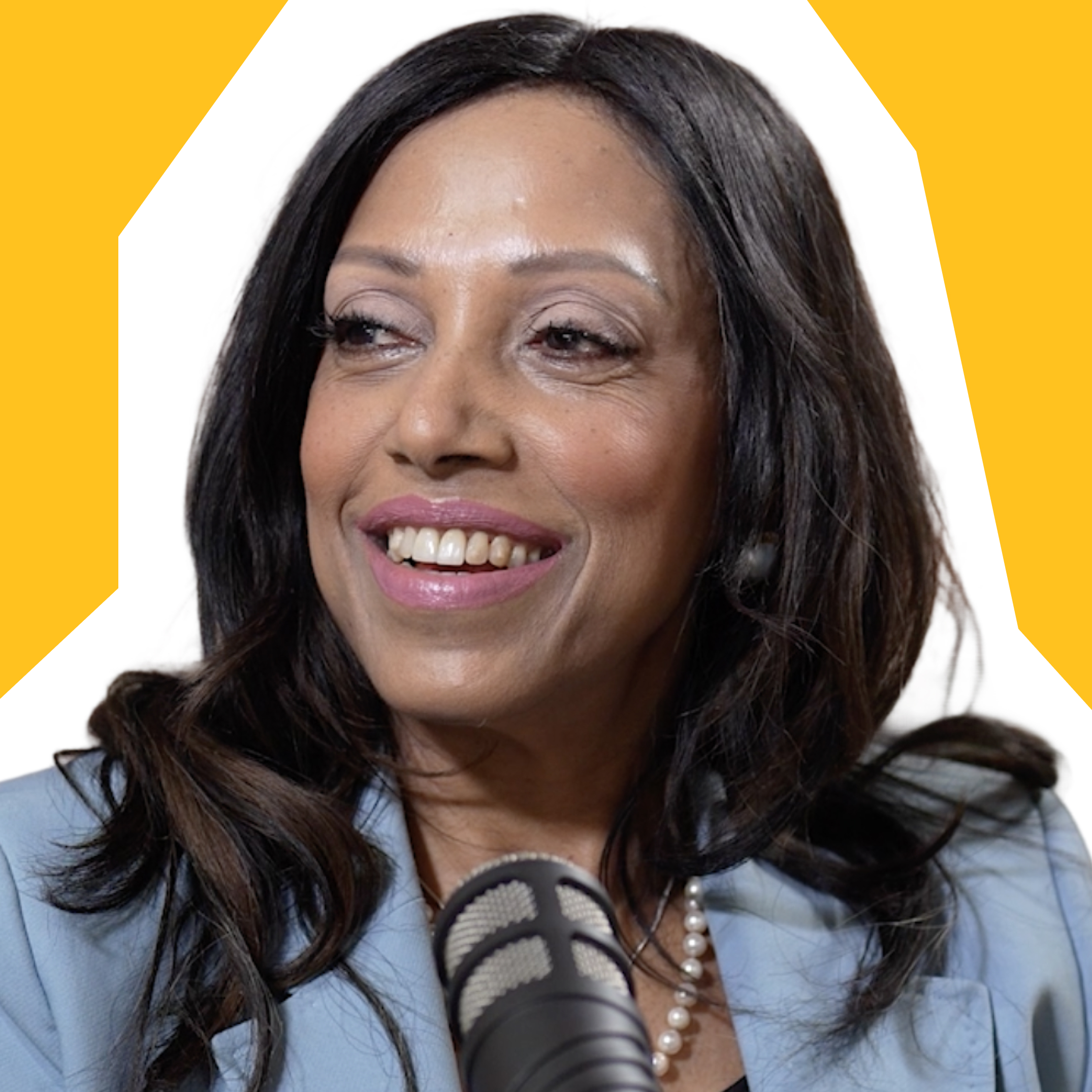
As VP of Strategy & Communications at Rescue | The Behavior Change Agency, Penny Norman is a leading force in behaviour change marketing. Specializing in substance use prevention and mental health advocacy, she has spearheaded innovative campaigns that leverage real-time insights, storytelling, and cultural relevance to shift public attitudes. Her work, recognized across the industry, demonstrates how purpose-driven marketing can create lasting change in communities worldwide.
Penny Norman [00:00:00]
For me, the next big challenge is to bring people together, to show that most people actually have more commonalities than differences. It doesn't matter which way you vote, it doesn't matter what you choose to do in your spare time. Actually, most people are good people, most people want to do the right thing for society. And then, biologically, we are wired that way. We wouldn't exist as a society if we weren't good at being a community.
Mo Dhaliwal [00:00:30]
Welcome to High Agency, igniting conversations with inspiring people, leading transformative change. Telling people what not to do has always been a risky proposition. Yet, marketing people have employed communications and advertising strategies to try and get people to stop hurting themselves. This job is way tougher than you might imagine. The Australia National Youth Anti-Drug Media Campaign learned that the hard way, when their efforts to curb youth drug use, accidentally made marijuana appear, well, kinda awesome. It's a reminder that the road to influencing behavior, especially among rebellious teens, is paved with traps, and sometimes a little bit of irony. But public health experts didn't quit, they got sharper. The CDC's Tips from Former Smokers campaign shifted to raw, personal storytelling, trading lectures for real talk about the toll of smoking. And across the pond, England's Time to Change campaign took on mental health stigma. Proving that celebrity-backed stigma-smashing stories could create a real shift in attitudes. And then, there's the decades-old Truth Campaign, a masterclass in flipping the script. They plastered anti-smoking messages on the very billboards that were once owned by Big Tobacco, turning rebellion into a call for healthier choices. Marketing can be powerful when it taps into cultural relevance, emotional depth, and sometimes pure audacity. Our guest today, Penny Norman. Knows this territory very well. With deep expertise in behavior change, Penny is at the forefront of crafting campaigns that cut through noise and resonate in a meaningful way. Penny is the VP of Strategy and Communications at Rescue, the behavior change agency. Penny is a powerhouse strategist driven by purpose and impact. And with a focus on substance use and mental health, Penny merges marketing prowess with data-driven insights to tackle some of society's toughest health issues. Her campaigns blend innovation with empathy, like the interactive digital platforms she's used to capture real-time insights on youth drug use, or her culturally tailored COVID-19 outreach to underserved communities. She's been recognized with industry awards and trusted to lead a team of strategists. Penny's work is proof that real change happens when creativity meets conviction. Penny, thanks for joining us today.
Penny Norman [00:02:58]
Thanks Mo, that was quite the introduction.
Mo Dhaliwal [00:03:01]
Well, you're quite the person, quite the background. So tell me, why'd you decide to spend your life telling people what to do.
Penny Norman [00:03:09]
That's a great question. Great question. I mean, I think it all started, um, really back when I sort of bumbled my way into advertising in London, um fresh out of university, not really knowing anything about the world. Um, but within a few years I saw, you know, I'd, I've been doing campaigns for big multinational camp companies, Procter and Gamble, Nestle, and I had the opportunity to work with. An amazing strategist called Brigid Agnir at Abbott Mead Vickers, and we created a campaign for the organ donor register for the NHS. And that one campaign caused a million people to sign up for the Organ Donor Register in three months, which is amazing. And that was the moment I realized, wow, communications goes beyond selling stuff. Communications can have such an amazing impact. Creating positive societal change. And that sort of lit the fire in the beginning of my quest to sort of specialize in that area. Took a few more years, but then really that was the beginning of me deciding I wanted to really use communications for good, take all the stuff I learned in corporate and bring it to social impact and public health.
Mo Dhaliwal [00:04:26]
Yeah, I mean, we've seen the campaigns, right? Like the, you know, the cliched, say noted drugs and everything since then. And we, I think sometimes forget even myself that there's people, a campaign, an advertising agency, perhaps a marketing agency, some people behind this that we're trying to figure out how to shape the message and motivate people. And the interesting thing for me has always been, you know and I talk about this of clients at Skyrocket is we know. That 5% of decision-making is maybe rational and 95% is emotional. Yet we all kind of pat ourselves on the back for being fairly rational, logical beings, but the human animal is really complicated. And in the intro, I talked about convincing people to stop hurting themselves, which you think would not be too hard, but it's actually quite challenging.
Penny Norman [00:05:19]
Mm-hmm.
Mo Dhaliwal [00:05:20]
Like, what have you learned works and what doesn't? I mean, I'm sure it's always changing, but between the successes and failures, what have seen that actually works?
Penny Norman [00:05:30]
I think for me, the big thing I keep coming back to, and we've done a lot of research, I think public health's intuition is to be, just tell them it's dangerous. Just tell them to do it this way. And that sort of lecture, as you quite rightly call out, very rarely works. For instance, teens can have all the information in the world about fentanyl-laced pills, and they'll still walk into a room, be offered by a good friend a pill and take it. And because it's a, they call it a hot, cold empathy gap. Their elevated emotions from a behavioral perspective means that they make different decision making. And actually in the moment, they might just make a different decision, even if they have all the rational reason not to. It's the same behavioral pattern that happens if you go into a shopping, go shopping, food shopping, and you're hungry, you'll make different health decisions or food decisions around, you know, healthy food versus unhealthy food. If you're not hungry, it's exactly the same. And so we know that that that battle, you can't just tell them. One of my favorite pieces that I kind of always come back to is there's a very famous behavioral thinker called Kurt Lewin, and he talks about two forces that drive behavior, restraining forces and driving forces. Driving forces are sort of motivation to do something, and restraining force are things that will push against that motivation to define your end behavior. And what I think is really interesting about that is we always focus in marketing in almost, you know, even in, you know. Corporate change, we always focus on driving forces. How can I motivate the team to do this? How can we sell this behavior to people? And that means we lead to like, from a public health perspective, we lead two communications that sort of demonize certain behaviors that leads to stigma. It also paints a really rosy picture, which often people who are really struggling can't identify with. And we've ignored the restraining forces. And that's where we need to start saying, instead of. How can I motivate these people? We need to flip that and talk about what is stopping them doing that behavior now? And we talk a lot more about those restraining forces because sometimes if you can remove one small thing, suddenly it's a lot easier for them to make the healthy decision. And that sort of led us to a sort of framework which you can definitely find out more about on the rescue website called Decision Blocks where we really start mapping out what's the thing that's stopping that person doing the right decision? Because most people want to do the right decisions, most people. Want to do the right thing and want to live happy, healthy lives, but sometimes it's impossible. And when we start to focus on those restraining forces, whether that's access to healthy food, whether that is understanding how to feed your very picky children something slightly more healthy, whether it is giving people access to naloxone that is easy to carry, understanding those restraining forces really allows us to. Much, much more proactively shape behavior.
Mo Dhaliwal [00:08:26]
I think for our conversation, I'm going to kind of key in on the, you know, from tobacco to drug use, those campaigns, just because we know that in Canada, BC, like Vancouver, especially how pertinent that is, right? Yeah, a hundred percent. Between overdoses and this thing that was called an emergency, like almost a decade ago, a crisis almost a decade ago. Yet even from a policy perspective, I don't, I am not sure if we've necessarily tackled it as a society with the level of urgency that it deserved. But even when a mandate comes in to say, okay, we need to do something to shape behavior, to help people stay safe, make sure they're not overdosing, make sure that they're hurting themselves. So what you describe as restraining behavior, that's the thing in the moment that prevents somebody from making the right decision. Is that right?
Penny Norman [00:09:13]
Yes, it's different factors. It can be systemic factors as well. For instance, if we move into sort of specific substance use and recovery, I mean, very often recovery is recovery. Substance use disorder is a symptom of a systemic issue. It's not an issue in its own right. And so we have to look at the systems around substance use and what has led that person there. We have to fix those systems before we can expect recovery. And so I think we're often too simplistic with being like, oh, we just need to force them to recover. We need to put them into a hospital and force them recover. Without fixing all the systems, what we often do is that causes people to isolate. Connection is vital in recovery, connection to your community. When we disassociate people to their community, it's really hard to recover and they lost all their friends. They're also carrying around the stigma of having once used substances and that lasts for a long time and integrating into. You know, another society making other friends can be harder. So understanding, like, how does community fit into that? Understanding, you know even, you know, Maslow's hierarchy of needs, how, you know, in recovery, how can I have housing, consistent housing, how I can get food consistently? All these aren't even covered in some of the systems that are being put in place. It's just too single-minded in, to get them to stop using substances and then off you go. And we see that again and again. And it's one of the reasons why, you know, people will be arrested for, say, carrying substance use. They'll go through full withdrawal, which is incredibly painful. I mean, really, really awful. They'll be then released and with nothing, they'll be released with potentially no money, no, there's no like system of integration back into society. And they very often will go and use substances and overdose because they are coming back from a lower tolerance. And it's incredibly tragic, the handling of it. So it's a complex issue is what I would say. And I don't even think I've covered all the elements, but restraining forces can often be much broader than just that one person doesn't have this. It can be a system they're in and they have no control over.
Mo Dhaliwal [00:11:26]
I mean, behavior change is still, I think, respecting the individual and their humanity and still giving them a fair amount of agency in their lives. Is there some amount of abdication going on provincially right now? Because there was, we just went through an election and in the headlines, there was this policy decision around bringing back involuntary admission to facilities for people that have mental health or addiction issues. And that you know it's a really complicated one because on the one hand you know, it was lauded by so many people saying well some people are just so far gone that they just need an intervention and this is the intervention we just need to you know quote-unquote scoop them up and involuntarily you know admit them to these facilities. Then there's people on the other side that say well actually any sort of you know like fairly oppressive sort of systems like that tend to disproportionately affect people that are already marginalized. Disproportionately affect racialized people, and that's just gonna create more harm than good. But the thing that was interesting to me was, if we're talking about communication and behavior change, it seemed to kind of sidestep all of that to say, well, actually, we're just going to intervene directly rather than try to do any sort of policy and communications. But what was your take on that? Yeah. Yeah.
Penny Norman [00:12:49]
I've yet to see any data that supports forced effectively incarceration of people to get them to go clean other than actually just putting them into jail or into the corrections system. And we know vast majority of people will come out corrections and immediately from the trauma of that have to use substances again, just to get over that from a mental health perspective. And I've also not seen any discussion around the system, around that forced recovery system. So I haven't seen like, what is that program that's beyond just getting them to stop using substances? How do we, you know, what's the continuation? What's the integration back into life? How do you create community around that? So I've yet to see the data that supports that policy. And I think for me, just talks of us wanting to control a situation we don't understand very well, or people haven't spent the time understanding because it's an ugly sight in the city and not actually being like, oh, hang on a minute. I mean, when I see, you know, watch the downtown on the East side, and one of the reasons I got into this area was being inspired by the downtown East side and wanting to understand more. I was actually on maternity leave and I wanted to put my brain to something, and so I took my. Little newborn Iris to a conference on substance use disorder and the fentanyl crisis. And I, it was free. You just turned up inside this little newborn. And I was taking notes and that was the beginning of my sort of fascination with what we could do better. Um, and even then there was calls and that was, uh, six years ago, even then, there was sort of calls from, you know, the police from, um, specialists talking about safe supply, talking about decriminalization of your own personal amount, and it's taken years to even get a tiny bit of that happening. And even then, COVID put us back a lot. But overall on that specific policy, I'm just not seeing the data, and we shouldn't be making policies on things that have not been proven out. And the strongest... The most effective policies we've seen is actually decriminalization of drugs in Portugal and massively reducing substance use disorder. So like it's a counterintuitive, a lot of these policies, but we've got to look at the data and be led by data and not be doing an emotional response because we don't like an issue and we don't want to grapple with the systemic issues that caused it. And that's what we need to look at housing, the generational trauma that exists, that's driving substance use, the mental health challenges, the lack of mental health resources. All of that is a challenge. And so we need to look at the systems before and the data before we make these decisions is my personal view.
Mo Dhaliwal [00:15:44]
No, I mean, look, that makes a lot of sense. I mean one thing that I love doing on this podcast is butchering quotes and never remembering whom I'm quoting. So I'm gonna do that again. But I think it was something like no action without data and no data without action. Basically the idea being that if we're doing something it should be based on some evidence. And if we have the evidence for it then we should be acting on it. You're at an agency and an agency that gets hired by, I'm assuming government agencies and institutions to try to do things, right? And I could be wrong, but I feel that often, a lot of that is kind of driven by public will, right. Like so much of the conversation, especially around harm reduction and drug usage seems to be kind of at the whim of just this, you know, public mob that we have called democracy. Uh, that just decides that, Hey, we, we need to do things this way. And it might seem intuitive. It might seem, you know, quote unquote, logical, but how do you, how do you balance when it's not actually lining up with the data, right? When the public will says that a certain thing should happen and a government comes in and says, Hey we need you to help shape communications around this so that we can be, you seen to, and hopefully have a desired change, uh, affected desire change in our community. How do you kind of balance the ethics of that? If you get asked to do something and it's like, well, the data doesn't back it up and we're gonna be shaping behavior around something that doesn't actually make sense.
Penny Norman [00:17:22]
Yeah, it's a really great question. And I would say what's been really refreshing is the vast majority of the clients I work with want to follow the data. Now, that of course, is a political overlay. And there's sometimes people, you know, do want to talk about, say, the risk of fentanyl-laced drugs, which really leads to kind of what we would call a prevention message. So say no to drugs. And What we do in those situations is really focus on like there is always a role to a degree of prevention messaging But you have to do it in a way that doesn't add to the stigma of the situation. So we Talk about those, you know The facts what's going on in a very level way and we use that and we focus that communications on on people who genuinely Don't know so that can be teens for instance young teens Stumbling into social situations for the first time being exposed to substances for the time they still, they do need to know that this isn't just that this might not be your friend's adderall. Like they need to the situation going on. And so there is always a role there. And then also making parents aware of the situation. And that just opens them up to being aware and getting them to talk to their teens. So if someone does come to us with need, wanting a prevention message, we'll often start to focus them on the communities that need that piece most. I would say the vast majority of our clients really do want to reach those at most risk of overdose. And so when you get into the data of that, and people do come to rescue because we really do understand those high risk teens and young adults very well, we work with them across a number of different behaviors, whether that's meth usage or pill usage. We even do campaigns to try and promote medication assisted recovery for those who've been using heroin for a number years. So we do really deeply, we research with these groups quite often. So we have a good understanding of them. And so often people do come to us being, we really, really want to be promoting the right thing for them. And then the conversation becomes a lot easier. The other thing we found, which was really interesting is in the journey of communicating around fentanyl-laced drugs, is that we really started, and it was really a learning curve for me as well. We started with, they just need to know the risks. They know they need to know about the risk, they need to know they are at risk, which is a very standard behavioral journey, and then they need to take actions to keep themselves safer. So, you know, that was the focus. But the more we dug into it, the more we realized that actually behaviorally that didn't work for them, because every time we talked to someone and they'd be using pills or cocaine quite regularly, they would always have a reason why they were safe. Oh, but my plug, like he's. I have been working, you know, he's my cousin. He would never give me something laced. And the reality is no one knows what's in the drugs, you know seven in 10 pills in the U.S. Test positive for a fatal dose of fentanyl right now of all the pills seized by the DEA right now. And it's really dangerous. We're seeing cocaine, people taking powder that they think believe is cocaine and it's straight fentanyol powder. And that's a new stimulant integration of the supply. So we know this is really dangerous, but... Every time we talk to someone, even if we gave them the absolute facts, they would find a kind of cloak of invincibility to put around them and say, you know, actually, no, this is the reasons I'm safe. And what we found was really interesting is they would also always reference a friend who did more than them. So they had this sort of person, and we saw this in cannabis as well, where someone would be like, they'd be using cannabis every day, but they'd like, oh yeah, but I don't wake and bake, so I'm good. You know, they had sort of this outlier of, and that sort of-
Mo Dhaliwal [00:21:08]
They could point to somebody and offset their own behavior to say, I'm, you know, offset from that person. Therefore, therefore, yes.
Penny Norman [00:21:14]
It's called downward social comparison if you want to geek out behaviorally.
Mo Dhaliwal [00:21:18]
100%.
Penny Norman [00:21:18]
Yeah. And so that actually gave us a really interesting insight. I was like, Oh, hang on a minute. If they always have someone that's like doing high risk things, they probably worry about them when they learn about this efficient. They probably worry about their friends. And so we tested a new angle, which was instead of asking them to kind of believe they were at risk. We actually said, you know, could your friends be at risk? Could you do these actions to protect a friend? And suddenly the conversation changed. It was suddenly it turned from super scary, you make them really, you know, terrified to. Here are some really positive things you can do about this niggle that you have and these concerns you have about kind of some of the extreme behaviors you believe your friends are doing. And, you know, that suddenly, like in the research, it was really amazing to see the quotes we came back, people being like, yeah, I actually do care about my friends more than myself, if I'm honest. And like, just, and people being, like, yeah, my friends do use it. It would just be handy to have it. Like, suddenly, you're really understanding like why Naloxone might be super useful for them. And so I think we need to. Instead of focusing on like, yeah, that demonization, making people really scared, but seeing for reframing in this sort of sense of like being part of a community and having, you know, harm reduction integrated with that and proactive actions that they can do is just really revolutionary. So that has been, we, we moved the campaign over to that new messaging and we saw sort of a 41% increase in web visits, 33% increase in clicks to get in a lock zone, like vastly different from the two. As soon as you reframe to sort of positive, that more positive message of help. So yeah, really interesting.
Mo Dhaliwal [00:22:53]
You know, that is incredible. Because if you kind of look at the trajectory. You know, we went from moralizing, right? You were a moral person if you did certain things and immoral if you didn't, to then demonizing the behavior as just being sort of antisocial. And now that one of them have really been that effective, right. Like again, in the introduction, I mentioned some of these campaigns that were trying to kind of like, you know, shit on these behaviors, but had the opposite effect, right, like the Stoner Sloth campaign out of Australia. Yeah.
Penny Norman [00:23:25]
Stoner Sloth, yeah.
Mo Dhaliwal [00:23:26]
And the video, I mean, I just saw it yesterday as a result of, you know, getting some research in for our conversation. I even forgot the title of the video because I was just like enamored by this sloth that is just kind of like lollygagging around and rolling around and falling off things. It's kind of hilarious and awesome, right? Like for all intents and purposes, Sloth's having a great time.
Penny Norman [00:23:46]
Yeah.
Mo Dhaliwal [00:23:47]
But that was meant to be a campaign to, you know, discourage.
Penny Norman [00:23:50]
Shame teens into not using substances, yeah.
Mo Dhaliwal [00:23:53]
And, and instead it went viral for all the wrong reasons.
Penny Norman [00:23:55]
Yep, they're t-shirts, Stonersloth t-shirt. Yeah, and it proved to be a kind of cult, it became a kind cult classic and that Stoner Sloth became like part of a movement behind substance use. And what was really sad is Stoner Sloth was really demonizing those kids who are really struggling mental health wise instead of, and just, and yeah, just, it was really the whole premise behind it was sad. And then it was amazing to see the community kind of almost adopt it in a way. Um, but we have seen, you know, work have unintended consequences, but like the faces of meth is a really great example where, um, uh, one jurisdiction put out these, you'll probably remember it, these pictures of before and after of someone who'd been using meth for a number of years. Um, and what we found, so that was then researched extensively and what they found is actually drove meth usage because the vast majority of people don't have lesions on their face and a lot of people are using kind of low levels. So they... For many years, they will use meth and it won't have any, it'll be, you know, once a month or something like that. And, and they saw that work and were like, Oh, well, that's not my friends. So we must be fine. So they just disregarded the risk that was happening to their own bodies because they were doing it at a different level. And so actually drove, um, uh, meth usage cause they felt safe cause they didn't look like that, so we do know that, you know, that shaming can really backfire either be adopted by a community or. Actually drive usage as well. And that's really important that we have to be mindful of and be mitigating against.
Mo Dhaliwal [00:25:34]
Yeah, the extreme reference point is interesting because as you were talking, it just kind of occurred to me that, you know, if we see, um, anti drunk driving messaging still, um. And yeah, it would be kind of problematic if all they were depicting was some very late stage alcoholic, right? Because, you. Know, vast majority of society drinks, you, know, socially, et cetera. And of course they would look at that person and say, totally not me, you know? Not anything I need to worry about. Um, but then similarly on tobacco, you know, we've had all sorts of, you know, warning labels, packaging, actually depicting people to have like lesions and gum disease and lung disease and all sorts things that are the outcomes of this, the average person will look at that and say, well, that's so far gone, that that's not a problem I have.
Penny Norman [00:26:19]
Yeah, we are chronically short-term thinkers as humans. So long-term consequences are really hard to grapple with. That's even more extreme for teens, like teens really don't ever think about their future. When we research with teens, we'll ask, well, what are your plans for the future? And they only ever respond for the next week. And then when you talk to young adults, it's like a few months out. And then as you talk, and then as you talk older people, it's, it's a year out or five years out, they'll talk about their five-year plans. But with teens it's so in the now, they can't really comprehend the future in the same way. And so long-term impacts are worse. What's interesting is so we work a lot in the vaping space and we've done various things about brain development. Again, it's pretty intangible, like vaping impacting your brain development, how can that be? And like, obviously that feels like we often get feedback around like, oh yeah, but the smartest guy know vapes, you know? So it's really interesting. One of the facts that really resonated recently was I threw in a fact that said your skin hates vaping because the smoke actually clogs your pores and the teens immediately, absolutely, oh my goodness, it affects my skin, that's it. I'm never touching it. Because for them, that short term impact on their skin was a massive deal, which was so interesting. And obviously you have to handle that fact quite carefully because you can't shame people with skin issues is a big issue with teens. But you can talk about the very straight facts, show what it does in the skin, but do it in a non-shaming way. And just giving that information was powerful. So it can be interesting what, how you frame stuff in the short term and just give people the facts in a straight way without having to layer on that, therefore this will happen to you or this is what you could look like. You have to reign it back a bit because it gets to a point of being shamey very quickly. That's the balance you always have to do. And that's why we do extensive testing of our creative work to make sure we don't end up going too far.
Mo Dhaliwal [00:28:19]
Vaping is an interesting one because I feel societally that product category kind of snuck in in a really interesting way. Like I was in Pakistan last year and in urban environments in Pakistan smoking is so prevalent that vaping is essentially looked upon as like a health food. Like it is like it's that far apart and there's ongoing campaigns. Like, I remember a couple years ago seeing... I think it was like the Philip Morris website or some big tobacco company. I think I was Philip Morris though. But on their homepage, they had kind of presented their BHAG, their big vision, their sort of outlook on the future. And it seemed compelling at first because it said, you know, we want to end smoking by 2030, right? Incredible, like wow, what a, you know statement. But their way of doing it was by marketing babes, right, to say we want cigarettes to fall by the wayside. Because here's this health food that you can inhale. So super problematic, right? But these are massive companies, huge campaigns. And I do feel like, as what we now understand to be a harmful product, it was really interesting how it kind of snuck in as this category, right, because it was, again, offsetting of like, if smoking is the extreme thing, here's the easy, healthier way of existing.
Penny Norman [00:29:43]
Yeah. I mean, what, what was really tragic about vaping, um, was that we had started to see this down trend of smoking happening already with, with some of the campaigns and great works that went on. And then we see this rise in vaping which, you know, in some, in chronic, um, chronic smoke use is a step towards slightly better to then come off, hopefully reduce your nicotine intake to the point where you can quit. So it can be used as a, as a cessation tool. But the sad thing was, is that then you had Jules literally going into schools and giving teens vapes, like literally doing events, promoting it as this safe kind of buzz. We're seeing the same with Zins now, which is the pouch tobacco. It's coming in, it's being positioned as this, you know, almost safe thing to get a buzz at school and, you know, and, and that, that then resulted in a huge rise in teens vaping. Um, and it was dramatic and aggressive. And, and then we've been slowly doing the battle to try and bring that down. And we've being able to turn the curve to a degree. A lot of teens now understand it's dangerous and don't want to start it, but even the marketing, like the flavors, like try this flavor, you know, vaping is so addictive that like, just try a fape a few times and your brain will start to start craving it. It's, it's really, really dangerous. And the The flavors are all there to try and get you to be like, oh, try the blackberry one, try the raspberry one, try the bubblegum one, you know, and teens are just intrigued by that. They're all brightly colored. It is just playing to that like experimentation stage of a teen's life. And in such a neat way, that's really scary and there's been no holding back. And I know there's legislation they're trying to put in place around flavors and trying to prevent this happening, but it's gonna be a long slog to try and get that to reduce.
Mo Dhaliwal [00:31:41]
You've referenced teens quite a bit. Is that cohort kind of looked upon as like the sweet spot for creating sort of societal behavior change or is it just that these campaigns happen to be in that age group?
Penny Norman [00:31:54]
Well, we know there's certain behaviors that establish a teen. So basically, your brain develops at different stages, but in the teen stage, your brain starts really hardening up certain connections to the point where it starts to trim away interests, parts of the brain that are no longer of interest, it's where you start to form your likes and interests. So if you're really into anime, it will really establish in your teen years. If you're into the certain sports, it'll really establish. And so it's a really defining moment of defining who you are. And that happens between sort of 13 and 25-ish where you really shape your kind of identity. And so, it definitely is a time where if you established a certain behavior, it would be concerning. We also know that's when a lot of mental health issues start. If you, you know, it starts in teenage years. Um, and so- Again, that can be an issue as far as like negative coping. So for instance, vaping is often tied with mental health, cannabis use is often tight to mental health. So, and teens are just doing that because they don't have positive coping options so they're opting for like, oh, well, what made me feel better now? Same as like scrolling on TikTok for hours, gaming through the night, all of that reduces your sleep and makes your mental health worse. But it's a bandaid that teens have access to. If they don't have access therapy or. Other positive coping options, or they don't know enough to do positive coping, then obviously they're gonna opt for something that makes them feel better in the moment, even though in the long term it's actually damaging their mental health.
Mo Dhaliwal [00:33:35]
The campaigns do tend to focus more on teens then. Because I mean, I would also think that for your clients, that's a pretty long window to measure the impact and the change that you might've created. Oh, yeah. Or, I mean what are you seeing? These are assumptions I'm making because I feel like if you're trying to create some sort of societal change or change in a country or a community, that if you are intervening kind of at that age group, what is the length of time it takes to see if you've actually made an impact?
Penny Norman [00:34:05]
Yeah, so that's a really good question. So we do campaigns for a lot of different groups, depending on what the data is leading to us. Vaping, in particular, we focus on teens, because that often establishes a lifetime behavior. Substance use will often focus on more like young adults, because we don't see that really upticking until a bit later on, in like 18, 17, 18. And we're seeing the fatality rates increase from there. And in fact, actually there. Fentanyl fatality rates are aging up now. So we're actually aging up our campaigns. And so it really depends where the risk data is showing us. Where is the negative impact? But we do do like older adult communications around. It can be anything around, you know, healthy eating. We do adult cessation work. So it really on what the topic is. As far as like seeing the impact, what we, there's a couple of places we look. So there's the YRBS data, which is a school survey where we monitor. Like percentage rates. And it's a mass survey across a vast majority of states in the US and it's been going on for 10 years or over 10 years. And so you can see the trends of vape usage, cocaine usage, meth usage amongst teenagers over time. And so, you can start to see what's happening where you can mental health trends as well. And so we use that kind of type of data source to understand like trends overall and seeing if we're making an impact in the state. But we also do evaluations. So we'll pair a campaign with understanding like intent to vape, those who intend to vaep, those who risk perceptions around something. And so we'll be monitoring that year after year with the state as well, which should be specifically tied to our work and the audience groups and targeting that we've done. So that's a really helpful way of being able to directly tie our campaigns to an impact and a behavior, whether that's knowledge, attitudes, beliefs, kind of impact or actual behavior as well. So that's the kind of two ways we kind of typically monitor what's going on.
Mo Dhaliwal [00:36:04]
So, I mean, your work is pretty data-driven, so I think I know the answer to this one, I'm gonna ask you this. But is there a time that, or a campaign, where you guys got it really wrong?
Penny Norman [00:36:14]
Oh, good question. That's a really good question, I'm trying to think. I think in the evolution of our fentanyl work, when the fentanyls risk was new and we had to do risk information, we did it well. There's a point where that aged out, where we saw knowledge grew immediately, you know, grew a lot. And so it was really important to course correct that. So once we established, like most people know about Fentanyl now, we don't need to be continuing to talk about risk and make communities scared. We need to switch this to positive action. And so being really nuanced about when that is and making that turn, that work, I couldn't run some of that work now because people know, and you're just now perpetuating the fear within the community. So. I'd say there's times like that where you're like, you've got to make sure your work wouldn't work well, you know, four years later, but it was the right thing at the moment and knowing when to take a call on that and not just rely on the first set of work you did and repeating it. So, and I think that's some of the problems with people who just looking up at, let's just make people scared that that's gonna be, when people are too simplistic, there was an ad recently, it's a really sad example of this where Um, they put a lady in a box in Times Square and put her through recovery, like withdrawal in it. So she was a, um, I believe she used opioids. She was an opioid use disorder.
Mo Dhaliwal [00:37:53]
This is real like not like an actor or something
Penny Norman [00:37:55]
No, this was a real person. They put her in a box in Times Square and filmed it as an ad. And I can't tell you the damage that that does to, just even people who know they've got to go through withdrawal. It's an awful thing. Like they're already, you know, they're using substances to stay well. Like that's it. They're not getting high. They're feeling great. You know, they're are using them to stay. And deal with trauma, like to then have an ad be widely broadcast, showing someone go through withdrawal. And then I think the line was like, it only takes three uses of heroin to get opioid use disorder or something like that. But even that fact isn't helpful because people aren't just being like, oh, I'm using heroin because. Because it's just fun using it because of access and for a whole load of systemic reasons. They know that fact. Everyone knows how addictive it is. They all know that. And so it just felt like a really, like an ego play of an agency who didn't understand what they were doing and people being like, wow, this is so cutting edge. And it really wasn't. I think it won awards. And that's what, like the unintended consequences of that ad to win a creative awards just, yeah, hurts my soul. So. So I just, you know, if, if you're ever taking a brief like that, really look at the data, really understand, really talk to people who are in this situation, versus just going from a, you, I'm a corporate person and a corporate, you know, I don't have lived experience. I'm just going to make an ad that I think is good. So just, I would just really talk to the people who were most involved.
Mo Dhaliwal [00:39:38]
What do you think people still continue to get wrong about how to shape behavior? I mean, to some extent, anybody in marketing communications, you're trying to affect behavior in some way, right? You have to be, you know, on some level, a bit of a cognitive behavioral person in order to develop compelling campaigns or any sort of messaging communications, but what do you think people continue to get wrong when you look at the world and see campaigns?
Penny Norman [00:40:04]
I kind of come back to what I said at the beginning about Kurt Lewin, and the driving and restraining forces, I think we need to stop saying, how can I motivate them to do it, which is a projection of your own values and belief systems on someone else, and be like, why, why aren't they able to do that change? And that, for me, is the really profound, it's a very different way of thinking about it, you truly have to understand the people you want to impact and who they are, to really understand. What would restrict them from doing that behavior versus, because the more we do this projection and motivation focus, the more, we end up with demonizing something or just selling something that isn't even doable. So, and it's completely ineffective. So I really encourage people to really understand their audience and really be asking that deep question around what is stopping them.
Mo Dhaliwal [00:40:59]
Yeah, it's a fascinating topic for me because my dad actually passed away largely because of alcoholism.
Penny Norman [00:41:08]
I'm sorry.
Mo Dhaliwal [00:41:09]
It was a situation where, you know, I carry a lot of guilt around this because early in life, like we did the moralizing, we did the demonizing, and it was all very accusational, right, of why would you do this to yourself, thereby, why would you do these to us? And, you, know, there was good periods and bad periods and all of that, and a lot of ebbs and flows in his life. And, you know this is decades ago now, but like I think at that period in life not having the tools and understanding, frankly, even on a basic level. Of what is going on and what the root causes and symptoms might be. For me, it was actually really kind of telling later in life, learning about addiction as a disease, learning about substance use as being kind of a self-medication for some underlying.
Penny Norman [00:41:58]
Coping?
Mo Dhaliwal [00:41:59]
Pain, coping, right? There's something going on and just never actually being able to address the root causes of it. And so I've always kind of paid attention to some extent to, you know, campaigns that are going on, how our messaging and communications, how our understanding of addiction and substance use is kind of, you know, moving and changing over time. And it's been interesting because it has moved a field to a, you, know, far more human and empathetic place. Where do you think it goes from Like, what do you think the next? More human, more empathetic way is, is there something you're working on that you can talk about?
Penny Norman [00:42:32]
Mm.
Mo Dhaliwal [00:42:33]
That would give us like the next sort of era of helping people that are in trouble and need something.
Penny Norman [00:42:42]
So for me and the election aside, well, somewhat inspired by the election, the big next challenge for me globally is we're seeing a mass fracturing of society, of people gathering into groups. And instead of gathering into group and just tolerating others as the gathering into groups hostility, and so for me, the next big challenge is to bring people together. To show that most people actually have more commonalities than differences. It doesn't matter which way you vote. It doesn' matter what you choose to do in your spare time. Actually, most people are good people. Most people want to do the right thing for society. And then, you know, biologically we are wired that way. You know, we, we wouldn't exist as a society if we weren't good at being a community and a community is being eroded. We're seeing a reduction in volunteer hours. We're seeing a rise in mental health issues with men who feel like they haven't got value anymore. We're seeing across the board issues arising and fundamentally that comes back to our inability to kind of connect and be together. And that in fact, communities who are struggling with substance use, if we as groups outside of that community all understood that a bit more and could embrace that community more. With connection, with love, with understanding, with reduced stigma, that group can integrate back into the community, can feel less judged, and hopefully solve that. So for me, it really comes down to bringing people together and creating closer ties within groups, and finding interesting ways to do that.
Mo Dhaliwal [00:44:30]
That's a gargantuan challenge.
Penny Norman [00:44:33]
I've got some examples.
Mo Dhaliwal [00:44:35]
Yeah, I'd love to hear them.
Penny Norman [00:44:36]
Yeah, yeah, there was a really cool example in, which I just thought was great. In Australia, they were seeing a large spike in suicide rates after men retired in Australia. And it was because they just lost their value. Their kids had left, their wife had loads of friends and was busy. They had no job to go to. And so this mental health organization created the Shed Club. And it was just a network of men in their sheds, building stuff together. And their line is brilliant. It's men don't talk face to face, they talk shoulder to shoulder. So beautiful. And I just think it's so powerful when you can bring, I know, right?
Mo Dhaliwal [00:45:17]
I like that. I like it a lot.
Penny Norman [00:45:19]
So true, right? They just went, let's build community. And it's a huge network across Australia bringing men together in a way where they can get connections, that they can build stuff together, they can have value and they can talk about, they can things out, they can about things. And they've seen off the back of that a significant shift in suicide rates of that specific group and those impacted. And so I think that's just a great example of an initiative that they don't even talk about mental health on their website. But that's why they did it. And it's so powerful of getting those older men and addressing that issue. And so I think the more ways we can be smart and think about those initiatives, the better.
Mo Dhaliwal [00:46:00]
That's incredible. I mean, that shows me an incredibly profound understanding of like the psyche of the audience that they're speaking to, right?
Penny Norman [00:46:08]
Oh, yeah.
Mo Dhaliwal [00:46:09]
Um, well, but the reason I was saying it was, it's a, you know, gargantuan task is it's getting harder, right? Like the, uh, the groups, the fragmentation that you're referring to in many ways, I'm sure there's a model that exists somewhere that, um, can correlate that amount of fragmentation and splintering to, uh changes in media, right? Like
Penny Norman [00:46:29]
100%.
Mo Dhaliwal [00:46:30]
There was a time when, you know, you had families gathering around a radio, right? And then a TV, and then now, um, you know, we, we have devices, we have a thousand, uh, you know, infinite number of ways to consume content. And as a result, you have, you know, pockets forming, right. Of in crowds that might have some shared perspective. But I was reading something recently about how, you know, Gen Z as an example of the challenges that they have with actually. Like shaping, embracing their own identity and actually being able to work from a place of values because they haven't, you know, they've been bombarded with content, right? And so as a result, they haven't really been able to like let something take root and build around it. It's just been a lot of competing, fragmented and really ephemeral messages that they've getting from a thousand different places. So what's the value system? It's hard to, it's nebulous, right, it's hard kind of latch on to something. You know, even for the group that you described in Australia, like a powerful, incredible campaign, but again, societal change, right? How do you today come up with like a campaign, a message, some sort of movement when you have so much fragmentation in media and that's actually reinforcing fragmentation in people?
Penny Norman [00:47:46]
Oh, 100%. Like the impact of screens and phones and social media is, is extreme. And we're seeing it even, you know, just the YouTube algorithm immediately causes division, division, because what it does is it promotes it kind of preys on the stuff in our brains that like, I'm most interested. So you're looking at trains, and then it goes, Oh, do you want to see a train crash? So you click train crash and suddenly you're in really violent content and it just spirals you down this tunnel that's more extreme. And that's just one example, but these algorithms are moving us to understand seeing much more extreme content, the worst stories of, you know, those who use substances, the worse stories instead of the stories of actually communities coming together and, um, people helping each other out. There's just not that information there. And so there's a number of things we have to be really careful of, like whether it, you know. Reading up on the anxious generation book, that, you know, it talks about it a lot about the erosion of teens just not hanging out and socializing in the same way because they're all on their screens and how we need to be really, really careful with one, making sure we're not robbing our youth of the ability to make friends and build connections and understand other people because of screens. So check that book out. And fully support restricting screens and social media usage until much, much older, especially with brain development. But also we need to be looking at how we can, almost be communicating the importance of balancing screen time and the news reels and the 24-hour news cycle with real human connection, with volunteering, with knowing your neighbors, with positively doing, you know. Civic duties, because that is actually one that gives us value, and we know that's incredibly powerful for your mental health. And two, it starts to rebuild the communities that are being eroded right now. But you're right, it is absolutely being impacted by screen time. And we have no, there's no study, you know, studies that were done before we gave everyone a phone, there was, this was, we are an experimentation, and what we are seeing the outcome of that experimentation, which is erosion of community and erosion of mental health and So the more we can do to course correct that and work with the big companies that are putting algorithms together, as well as bringing in legislation, as well, as individuals understanding, oh, hang on a minute, I've spent four hours tonight scrolling on some pretty dark topics and I'm feeling pretty rubbish. I should probably not do that again. I had this realization the other day and I googled like, I need to dumb down my phone. I've been scrolling late and I was like, oh my goodness.
Mo Dhaliwal [00:50:37]
I've had the same instinct. I haven't quite got it there yet because it's, well, it's crack, right? Yeah, yeah. I haven't quite got there yet, but I've have the same instincts for at least half a year.
Penny Norman [00:50:48]
So I got really sick of it. I started dumbing down. I managed to remove, so I removed all my social media apps. I removed my Safari app from my phone. So it only has like maps and like my email and a couple of other things. And I dropped my usage by 50% in a week. So it can be done, but look it up. I highly recommend just being aware that it's so easy that once you're on your phone. Oh, just Google that thing. Oh, hang on a minute. I'll just look that thing up. Oh, there's a video here I should watch. Like just got to get that stuff. Like just, just add more grit and friction into accessing the stuff that you know, that you know kind of leads to that ongoing behavior.
Mo Dhaliwal [00:51:31]
I mean, I do and I don't want to sound cynical here. Actually, I'm going to go for it. It's fine. I'll do the pep talk afterwards. But, you know, a lot of the. A lot of the change management does feel sometimes like you're, you know you're in a tsunami with an umbrella, right? Because you mentioned algorithms and there's, you know, Jack Dorsey, founder of Twitter. He's doing some advocacy right now, like open protocols for content and communication, where he's kind of envisioning a future where we're able to select and there's more, you know, consumer choice and control. You're kind of picking the algorithms rather than them just kind of preying on you. But it does feel like we're kind of being preyed on and have been for years by these algorithms. But they shape so much of our understanding, our perceptions, everything else, and aren't responsible for ethics, aren't are responsible for. Frankly, anything, like there are black boxes that have been shaping human behavior now for the better part of a decade. Do you see any advocacy or effort on the policy side to say, well, public campaigns are great, but can we do anything upstream to actually corral these algorithms because we might see a campaign message if it's done well a few hundred times and it starts to take some hold. But then we have these in-between moments that frankly are mostly governed by algorithms these days, right? Our moods, what we're consuming. We're being force fed this content. So are you seeing anything on behavior change that's gonna address algorithms?
Penny Norman [00:53:04]
Well, we've seen a number of states and counties bring lawsuits to Metta, for instance, because of the mental health impact on youth and being able to draw the line there. And so there is an ongoing, you know, struggle to do that. I mean, but it's ongoing, like we have campaigns that... We can't run on platforms that are promoting healthy behaviors because we mentioned, say, you know, we're trying to, we were talking about meth usage. They're like, Oh, you've mentioned meth. We're going to ban your ads and we're going to completely remove them. So even like the good stuff, like the algorithms, it's so simplistic. The algorithm in the sense of like, oh, this campaign must be driving meth use, you need to like, it must be selling meth. And it's like, they're, they are systems, you know, there's a whole stage system that we have to go through to make shore off. Campaigns are ring-fenced. And then on top of that, quite rightly so, you can't target teens on many of these platforms from an ad perspective. So we are limited in actually reaching teens. You have to do it pretty loosely. We do know we get there, but it's like, you can tick a box now and say, I wanna target 13 to 17 teens with a useful message around a public health message. Their own restrictions and them trying to fix things also hampers positive behavior change as well. So it's, it's very complicated. And you know, we're at the beginning of the journey for that. But what I do know is there are a lot of very smart people coming together on this, these issues working on them. And it is becoming a priority every step. And, and it's a bipartisan priority in the U S like it's not one that you know, one party's not gonna do something compared to another party. It absolutely is a concern on both sides and we're seeing that as well. So it'll be interesting to see what happens over the next few years, but it's a growing movement of people wanting to ban certain social media channels within whole states. So we are seeing that and yeah, watch the space. I don't have all the answers, unfortunately, yet. I'll come back, Mo, when I do. Absolutely.
Mo Dhaliwal [00:55:14]
Absolutely. I mean, you don't have the answers. I'm just, I'm glad somebody's working on it. Penny, if somebody wants to learn more about your work and what you do, where should they go?
Penny Norman [00:55:23]
Yeah, absolutely. So recommend you go to rescue agency.com. We have an amazing webinar series. So sign up at the website and you'll get to see you know, we do a webinar every few months, a couple of months, and we kind of show all our learnings. And so you can kind of cross learn what we're doing. And that's everything from substance use, mental health, them, under fives development, nutrition, sexual health. Tobacco, cannabis, so a huge range of topic areas that we kind of share out on a regular basis. Or reach out on LinkedIn, come and say hi. I'm always happy to chat, try and meet up with people who are on a similar mission and share our thinking.
Mo Dhaliwal [00:56:05]
Awesome. Well, thanks for coming on High Agency.
Penny Norman [00:56:07]
No worries. Thanks for having me.
Mo Dhaliwal [00:56:10]
Hopefully, we've given you a lot to think about. That was High Agency. Like and subscribe, and we will see you next time.
.jpeg)


Get our latest insights on brand transformation and digital innovation delivered monthly. Join forward-thinking leaders who are building momentum.
We’re ready when you are.