The next move is yours
We’re ready when you are.
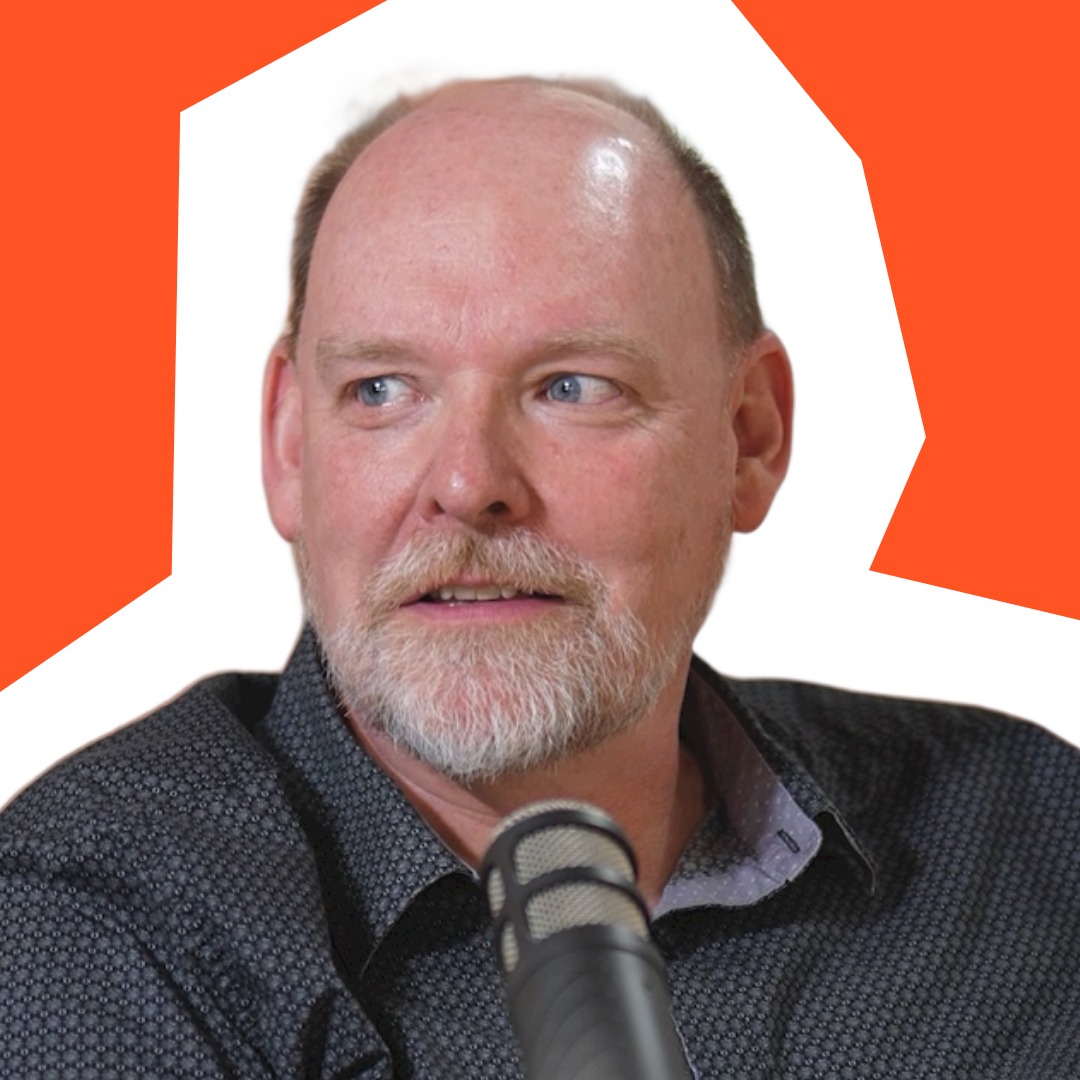
Payton Nyquvest, founder and CEO of Numinus, is a trailblazer in psychedelic-assisted therapy, pioneering mental health solutions that bridge ancient wisdom and modern science. Driven by his own journey of healing from chronic pain and mental health challenges, Payton established Numinus to offer safe, research-backed psychedelic therapies. Under his leadership, Numinus has become a leading force in Canada’s emerging psychedelic industry, advancing treatments that promise transformative impacts on mental wellness.
Payton Nyquvest [00:00:00]
There was a moment in the experience that was really, for me, what I felt like was the big catalyst was not that I extracted that chronic pain, but it brought me to this experience of, can you actually just accept your life for what it is? And like real, you know, you probably understand this a little bit, but like real radical acceptance, it's not like... Well, if I accept it, then maybe something will happen. But like hands and knees, radical acceptance of what if this is just your life?
Mo Dhaliwal [00:00:39]
Welcome to High Agency, igniting conversations with inspiring people, leading transformative change. Consciousness-altering substances have long been a part of humanity's journey. Terrence McKenna, in his 1992 book, Food of the Gods, proposed a controversial theory claiming that our evolution from Homo erectus to Homo sapiens was, in fact, triggered by the addition of psilocybin mushrooms to our diet around 100,000 years ago. Psychedelics like psilocybin, MDMA, and LSD were once considered fringe drugs. Having spent decades, criminalized substances have gained increasing attention in the mainstream with clinical studies that show their promise in treating mental health issues such as anxiety, PTSD or depression. A 2022 survey showed that 17% of Canadians support the therapeutic use of psychedelics, which reflects a low but quickly growing acceptance of these new therapies. Canada has emerged as a leader in this space, which isn't surprising that it was one of the first countries to legalize medical cannabis. But as of 2023, the Canadian psychedelics market was valued at around 80 million, with projections reaching $10.7 billion globally by 2027. So this has opened up vast opportunities for startups that are looking to innovate within the psychedelic-assisted therapy market with wellness products or pharma development. And a Canadian company is at the forefront of this movement, providing cutting-edge treatments that have the potential to transform mental health and overall well-being. Enter Numinus. Since its inception, Numinus has grown into a leader in psychedelic-assisted psychotherapy with a focus on research, clinical services and advocacy. Founded by Payton Nyquvest, a visionary entrepreneur with a deep commitment to mental health and wellness. Payton's journey into psychedelics started from his own struggles with chronic pain and mental health challenges. His personal healing experience with psychedelics inspired him to create a company that integrates safe, science-backed psychedelic therapies into mainstream healthcare. And welcome to the show. So this is a really interesting story, and one that's really dear to my heart. I first learned about Numinus, I think, six years ago now. And at the time, I had probably read about psychedelics for many, many years. I had had my first experience just a year prior. And we won't start with a confession. We'll get into that, maybe a little bit later. But the timing of everything was quite interesting. Um, because I was just coming off of, uh, a creative leadership program that I'd been a part of and had the opportunity to microdose with psilocybin and just even learn about this realm just a year prior. And I remember coming back from Amsterdam thinking like, this is something profound and incredible and beautiful. I don't think I'm done with it yet. And there's something more to be learned and to be done. And within months of that, um, we, me,t and I learned about the startup NUMNUS. And what you were trying to do in this world. And I covered some of that introduction, but what I'd love to hear about is actually digging into a bit of your backstory of what your life was prior to being Canada's largest drug dealer and how you actually decided to start this company.
Payton Nyquvest [00:04:18]
Yeah, so, um, I kind of going back, I was someone who was born with chronic pain and around the age of 12, uh, I, two parents who suffered with substance abuse and my mom got sober when I was 12 and she, when she came home, she had, I would say she sort become the or seen the version of herself. I always hope she can see for herself. And that was through this kind of deep excavative sort of mental health process. And she came home, and one of the first things she said was, you might wanna start talking to somebody. And I took that very seriously because of my chronic pain. And so, at the age of 12, started really diving deeply into mental health and this sort of intersection of mental health and physical health. And that kind of led me on a sort of healing crusade, I would say, of everything from going to the Mayo Clinic to working with mindfulness practitioners and meditation, yoga, all of that.
Mo Dhaliwal [00:05:35]
You're doing this as a teenager.
Payton Nyquvest [00:05:37]
Yeah.
Mo Dhaliwal [00:05:37]
Wow, okay.
Payton Nyquvest [00:05:39]
And, you know, I think what was interesting in that process also was, um, I was always, I was never shy to like, kind of share what I was going through. Um, and so as a teenager, you, I'd be hanging out with my friends,s and I grew up on the North shore, playing hockey and all the things that people in Vancouver do. Um, and I, you don't get up, and I'd say, sorry, guys, I got to go to my therapist, right? That was kind of twofold. And you know, I saw. Friends who could maybe benefit from some of the stuff that I was doing, but probably more truthfully, I just didn't want to be the only kid in therapy. So I was hoping that other people were gonna enjoy. And inviting in others. Yeah, that's right, that's right. And it was profound for my mental wellbeing, how I was feeling, but my chronic pain kept getting worse and got to a point about seven or eight years ago. Where I was getting hospitalized probably three days a week and was really kind of out of options. And I'd never had a psychedelic experience as someone who grew up in a family that struggled with substance abuse. I was always sort of like.
Mo Dhaliwal [00:06:51]
Capital D drugs, you want to stay away from that, stay away from addiction.
Payton Nyquvest [00:06:54]
Right, right. And professionally, I'd gone into the finance industry, and so I was even maybe more unique in that that's an industry that kind of centers around having a good time and using different substances in order to do so.
Mo Dhaliwal [00:07:12]
It's putting it very lightly. We've all seen The Wolf of Wall Street. So that's putting it pretty lightly.
Payton Nyquvest [00:07:14]
That's right, that's right. But I was at this point of really, really, you know, it's interesting with chronic pain. In the way that it was showing up for me, which was within 30 minutes, going from feeling fine to rushing to the emergency room. And when you're born with something like that, I had this sort of existential inquiry of like, am I really supposed to be here or not? Especially in that, with the way the healthcare system works. That gets reaffirmed when you go to see a specialist, and you think you get close to it, then you find out that that's not the thing. And so I was in this place of like, is my body trying to tell me something that I'm not listening to, right? And I'm kind of a down the rabbit hole kind of person. And so, I'd researched psychedelics for probably a year and a half. And, finally, I was in the emergency room at Lionsgate Hospital, and I said to my wife, I said, look, you gotta trust me, but I need to do something pretty different here. And the way my sort of chronic pain presented was gut pain that, within 30 minutes, would just manifest into just the overwhelming experience of pain. And so I said I'm gonna go and do ayahuasca. Thank you very much. And my wife and my wife in the hospital said, so let me get this straight. Your plan to heal your chronic pain is to go drink a brew in the jungle by yourself with a small group of people. And I said, yeah. She said, okay. And so I got out of the hospital, packed my bags, got on a flight and went down to South America and went and did a week. We did four ceremonies, and not to paint the picture of a panacea, but four ceremonies with ayahuasca, and I came back, and I never had any chronic pain symptoms ever again. And that was really, for me, I think the thing that I was really sitting with through that whole process was all of the work that I had done really helped me actually prepare for that experience. And so what it felt like. If I had built this fire that you know, that experience was sort of just like putting gas on the fire, and there was a moment in the experience that was really for me what I felt like was the big catalyst was not that I extracted that chronic pain, but it brought me to this experience of can you actually just accept? Your life for what it is. And like real, you probably understand this a little bit, but like real radical acceptance, not like, well, if I accept it, then maybe something will happen, but like hands and knees, radical acceptance of what if this is just your life? And in that moment, that was really for me, the catalyst was coming back to that acceptance. And again, as someone, when you're born with it, there's this inherent belief that something's wrong with you, that you're broken, that you need fixing.
Mo Dhaliwal [00:10:51]
And you're fighting it all the time.
Payton Nyquvest [00:10:52]
Right, right, right. And so that gave me, you know, that first real big kind of moment of, of accepting myself and my, and my experience to date as that. Right. And so that, that was really, for me, the big sort of profound shift for myself and coming back, though, I didn't anticipate that it was actually far more challenging than I had always, and not just myself, but everybody who was around me, had identified me as like Payton with chronic pain, right? Even from a time standpoint, I came home, and I was like, what am I gonna, you know, I always kind of allocated that I was gonna be in the hospital at some point during the week. I was, like, what do I do with all this free time? You know, do I get more haircuts? Like, what do with with all this free time now? And it was really disorienting for me. Um and and it was in hindsight you know one of the things that I I didn't probably pay enough attention to was you know my relationships with the people who I was really close to like my wife and my family um you know I came through that experience and I was like on this rocket ship and we'd met you know not too too long after that and I Was like I'm gonna how do I give back and What do I do and da, da, dah, dah. Meanwhile, I had this support system of people who, for 30-some odd years, had gone through this process with me.
Mo Dhaliwal [00:12:28]
And they knew you as a particular person and that they could manage.
Payton Nyquvest [00:12:31]
Right. Right. And so I come back a week later, and I'm like, I'm good. And I'm now going to go and do all these things. And it took time for those relationships to adjust to that new reality because they weren't necessarily having the same felt experience as me. And that was quite something that I found that very challenging for the first while, because I'm finally feeling this alleviation and all this kind of stuff. And all these people are like, look, we want to trust that. But we've also been the person who's sat beside you in the hospital bed for years and years of your life. And so with Numinus, and sort of where that got birthed from was I came out of that experience. And when I came home, I was really just like. I wanted to give back to something that had saved my life, like I felt this was some kind of reciprocity need, and it wasn't to quit my job and start a company and do everything that we've done. But you quit your job and started a company. And for me, what was interesting... You know, going back seven years or so ago, you know, there was no industry, thereweres no companies, you know, really what was happening was a lot of not-for-profit and academic research,h and that was kind of about it. And early in my journey, I was fortunate to meet some very incredible people, one person in particular, Rick Doblin, whoisn the founder of Maps, who Maps is really the reason why. Of psychedelics in the West is where they're at. They've been doing research in the space, not for profit, for about 37 years. And when I spoke with Rick, you know, I said, you know, how can I, how can I get back and like any good nonprofit, first thing he says, well, you could write me a check. Um, but the second thing he said was, you know, nobody's really focusing on the infrastructure side of this. And that resonated really deeply with me because what was very clear was yes, I'd had access to this experience, but I built so much internal scaffolding and internal and external support to be able to hold that experience. And so while there's so much attention being paid to the experience itself, it was really all that was built around that that made that very impactful for me. And so in starting Numinus, it was. How can we? That infrastructure so that when these different modalities become approved, they can be held in a way that can actually help support somebody through that process. And so that was and still to this day has been sort of the intention of the company.
Mo Dhaliwal [00:15:31]
And I don't think you can understate what a bit of a leap it was, you know, cause culturally, yes, in Canada and some other jurisdictions around the world, we'd sort of gotten over the cannabis thing, right? And so some of the taboo around capital D drugs had kind of shifted at that point. And so when the psychedelics conversation started, for one, I was surprised by the number of people that we're actually open to it.
Payton Nyquvest [00:16:00]
Right.
Mo Dhaliwal [00:16:01]
Um, and then the number of people that actually admitted to having, you know, and it felt like a bit of a confession where people felt some safety now that, okay, we're starting to have these conversations and now I'm not going to lose my job and I'm going to be vilified in society or shunned in some way or ostracized. So I can now actually share the fact that I had this profound experience. Right. Yeah. Um, and even after that sort of initial microdosing and then, you know, much larger sort of LSD full on. Journeys after that initial experience I had. It's interesting because this is an incredibly profound experience. It's got incredible health and wellbeing potential, but there is still. Pretty large cultural shift that needs to take place for it to actually not only be accepted fully as a part of our lives, as part ofthe economy, but also to be kind of launched in the right way. I mean, as much as I was joking about you being a drug dealer, I mean, there's the, there's the OG drug dealers in the room, right? Which is big pharma. Big Pharma. And there's a very different appreciation for chemicals and synthetic products and et cetera in that industry because it's treated a very specific way, right? And you would look at that industry and say, like, why would they actually care about psychedelics? Because it's kind of a bad business model, right? Because unlike opiates, right, or unlike other things that actually are addictive, like psychedelics, they don't. You know, like it doesn't initiate that same drive. Like you don't suddenly want to come back for more cause you need another hit, and you're craving LSD. And so on the one hand, you know you don't see this actually getting normalized without their participation, but the culture seems so far away from this thing that is actually meant to be a profound and healing experience for people. It necessitates this incredible social and mental health sort of foundation that you'd actually spent your life building up to that point, right? And so the conversation winds up being so much about the drug, the substance, and we're not necessarily, I feel, culturally anyway, paying attention to how much foundation we need before that, and then what your life, community, society is supposed to feel like beyond that. So, how are you guys addressing this at Numinus? I mean, it's a big question I asked, but how are you guys addressing this? Because I don't see how we can actually mainstream a lot of this without, you know, getting these players to participate.
Payton Nyquvest [00:18:48]
Well, and so one of the things going back to your first comment around, you know, the sort of confession aspect of this, one of the things that was very shocking to me was when I came back from those first experiences, you know, I was people knew who I was. People knew a bit of what I was going through. And when I came back, you weren't screaming from the hilltops about what I'd gone and done. But I also wasn't hiding it. And people started to become aware of that. And I was working in a different industry, and I started having,g on a daily basis, either someone calling me or showing up at my office saying, hey, I have to come talk to you about something. And I became like the compassion booth for all these people who are saying, I had this profound experience, and I've never been able to talk to anybody about it. And there was one conversation in particular that really... Struck deeply with me, which was, there was a woman who I'd known since I was a kid,d and she was probably 70 at the time. And she said, can you, you know, I really want to come to your office and come talk to you. And I said, sure. And, she came and talked to me, and she said I hadn't been to Peru. I was in my mid twenties, and I'd had this, she didn't even know what it, what the drug was. And said, I actually didn't know what ayahuasca was until I heard about your story. But she said, she said that experience that I had was the most profound experience that I'd ever had in my whole life, and it shaped the entire rest of my life. And this is the first time that I've ever been able to talk to somebody about it. And I think it was not even the stigma of the drug. It was such a profound experience for her.
Mo Dhaliwal [00:20:46]
You don't know where to start.
Payton Nyquvest [00:20:47]
That she doesn't know where to, and it's hard to talk to somebody about that who hasn't had a similar experience. And it's funny kind of since that, as I've talked with people, there's this conversation that happens where there's like three words, you're trying to, how do you describe sort of the ineffable, right? There'll be these sorts of core threads that someone will bring up. And you can see, there's like a moment where there's just this head nodding that happens. And it's like, okay, we don't have to explain anymore. We know what we're talking about, right? And.
Mo Dhaliwal [00:21:22]
And I think we have that here. Yeah, for sure. You guys came in, and it was our very first meeting. Yeah. And it was me, you, and Stacey. And we kind of went around the table doing introductions. But what was inherent to that was us talking about our experiences. So there was like that head nod of like, OK, you get it. There's a whole other story we don't need to tell. It's like maybe, you know, it's like a vacation destination, right? I'm like. If you've been to the same beach in Jamaica, it's like, okay, you know.
Payton Nyquvest [00:21:48]
You know, yeah, yeah. And so, that for me in the very beginning was really eye-opening. And then to your other comment, you're exactly right about the container for these kinds of experiences. And it's interesting, we were just kind of catching up briefly before this, and we've, I think, last year we treated about a hundred and some odd thousand people. Um, but nobody comes to our centers asking for psychedelic therapy. And I think that's one of the big sort of misconceptions in the space is that, yes, there's all this awareness around psychedelic therapy and it's become sort of a cultural movement over the last little bit, but most people who come to us or all people who come to as they're people with depression or anxiety and they're coming saying, I know, you know, I need help with this, right. And I think that's going to be the norm, frankly, for a lot of people who are looking for, you know, a more sort of like clinical insurance reimbursed kind of experience, right? And so, you know, for us as much as yes, we provide psychedelic therapy by means that are available to us right now. A lot of our work is just mental health work. Um, and you know, what's been sort of an interesting narrative, particularly in sort of the investment thesis, is, well, you know, not having repeat customers is not a good business. Right. Which is, I think, the most bizarre conversation to have with people. But one of the things that we started to see really early was that people, after these experiences, their commitment to their mental health process and their mental health wellbeing actually goes up quite dramatically. And they keep coming to therapy, and they keep, you know, engaging with the clinic on an ongoing basis because they've recognized that, oh, I've really kind of now made some advancement,t and I want to stay with it. You know, it's, and I always akin it to, you know, these experiences are sort of like interventions, right? And so say I'm someone who needs knee surgery, right? I can approach that one of two ways. I can either say, okay, I need knee surgery. And so I'm gonna go downhill skiing and not take care of my body. And then I'm going to go in for surgery. And then after I'm to sit on the couch and beat McDonald's,s and chances of my knee surgery going successfully are probably fairly low. Or I can do all the prehab stuff, get my body healthy, take care of myself, go in for the intervention, and then I can take rehab really seriously. And the chances of that being successful go up quite a lot. And that I think is really important when we think about these experiences. Yes, there's the opportunity for great alleviation of mental health challenges, but it's really only as good as the support that yogiveve to yourself. On either side of that. And so I think, you know, that's something that's challenging for our healthcare system to sort of wrap its head around. You know, the way we've treated mental health challenges to date is we put you on a prescription, and you know that's what you do for the rest of your life. And I think this is also bringing us back to. One of the big mindset shifts around mental health that we've tried to be a stand for isthat you see so many people who get a diagnosis of depression or what have you, and they start to really identify with it, right? It becomes a part of their, well, I'm a depressed person, and you're not born depressed. You're, you know, certainly. You can be born with certain orientations, but there are events and things that have happened in your life that have made that become more acute, right? And so I think that's a bit of a part of this sort of cultural shift in just how we think about mental health care in general.
Mo Dhaliwal [00:26:28]
What is it like leading a corporation with the stated focus of leveraging psychedelics and these alternative therapies and leading the clinical research there? Because you've got a very, I think, interesting place from where the genesis of the idea was and your intention with it, but then kind of trying to connect that to the fact that you guys won the public. And you're managing a publicly traded corporation, and you are making moves in the United States. What sort of people are attracted to a company like this,s and are there any unique challenges that come from leading a psychedelics corporation?
Payton Nyquvest [00:27:15]
Yeah, it's been an interesting challenge for sure. I think, even if you extract out just psychedelics, but you think about healthcare, as you mentioned, we're a public company. The environments that we exist in can be dramatically different. And how you sort of culturally stay aligned to your mission and why you're here has, I think, in many ways been our greatest advantage and at times been our great challenge. You think about, you mentioned pharmaceutical companies and stuff like that. In healthcare, where we want people to get better. And then you bring in environments like public markets, where, you know, I think people who have supported us genuinely want to support the mission. Um, but as an investor, we want to support the vision, and we want to see quarter-over-quarter growth. Right. Um, and a lot of the time in someone's healing journey, those are not two of the same arcs that people go on. And so I think for us, you know, especially as, as sort of being at, at the very beginning stages of this. And I think where the sort of psychedelic industry, if that's what you want to call it, has gone to is in the beginning, it was really everybody trying to be all things to all people and doing all things. And I, I think over the last number of years, that's, I would say the lines have gotten clearer in regards to like where everybody wants to participate, right? If you're a Pharmaceutical drug company, focus on getting a drug approved through the FDA. That's a very different thing from a service provider who's seeing clients on a daily basis. And so I think that's that for us over the last number of years. But you know, with that, I think, you know, my sort of referential point has always been my own personal experience, right? And. And I'm grateful for that, but we've really tried to navigate one. How do we culturally do this in a good way? How do we appreciate that our practitioners work within the healthcare system and the sort of opportunities and limitations of that? And we have investors and stakeholders and all that stuff too. So yeah, I go back to never losing sight of why. We're here in the process. And it's interesting, even from the public market side of things, we've had as many as 50, 60,000 shareholders. And the amount of inbound emails we get from people who would say, it would always start with like, hey, I just invested whatever amount of money into your company. But then, as we were just talking about, there would be this very long confession. Why this is why right and and that's incredible and I think though with that the challenge is that all feels really good when everything's tracking in the same direction but when it starts to go in the other direction then it's almost like this existential crisis of you know does none of this mean anything because now I'm losing money or you know what have you and that that's It's just been. Over the last while, again, a very interesting thing to navigate, especially in a new industry where things go through these cycles of big attention, big boom, consolidation, and you mentioned cannabis, which I think has probably been the most interesting example of that over the past little bit.
Mo Dhaliwal [00:31:30]
Yeah, well, I think cannabis has been a great example, and you would hope that in an area that is, I mean, frankly, far more profound than what cannabis can do for you. Yeah. You would hope that psychedelicsleapfrogs a lot of those things, but we saw some similarities, right? Like one thing I remember thinking about with cannabis, and we had some clients in that space at Skyrocket. On the odd occasion, you would encounter a client that you could, you know, it's kind of like when your eyes are bigger than your stomach. And from the vision, from the plan, it was like, okay, we're gonna buy the farmland, and we're going to set up a processing facility. Then we're set up for distribution, and then we're to have our own retail locations. And they'd have this massive vision and the investment to back it, frankly. But you look at it and it's like, farming's hard. Processing's hard, distribution's hard, retail's hard. But you wanted to go into every one of these realms and just assume that you would just be an expert and just kill it everywhere, right? So what you were saying about really focusing in on what your purpose is and what your mission is. I mean, that's critical, but I think especially when it's something new, right? And there are public markets involved. There is a tendency to really blow up the story and turn it into something that might not be as focused.
Payton Nyquvest [00:32:51]
Yeah, I mean, we struggled a ton with that in the beginning, and nothing will bring in confusion and complexity like money. And you know, it's when I started the company, the intention was actually never to take it public. I'd had previous professional experience in the public market, and I'd left, you know, kind of disenfranchised and ready to not be involved in that anymore. You know, it was almost a little bit of careful what you wish for in regards to, you know hoping for attention and stuff like that, because what follows that particularly in Vancouver is there's, you know a market trending in a particular direction and a bunch of interests that comes in and the pressure was, was frankly looking at the size of the challenge, you know being mental health care and the need for resources to go and support that sort of. In many ways sort of pushed us in that direction. And, you know, we were very fortunate. We got to raise, you know, I think we raised about 80, 80 million or so over a couple of years, but that can add a lot of, to your point, maybe over-assumption in your own capabilities because people are throwing money at you. And then it's like, well, I must be great at all things because look how much money people are willing to give me. And I think the space in general has gone through an important education process around that. And I, as you've seen, as I mentioned, have a lot more focus on what we are. What are the things that we need to prioritize right now to make sure that there's longevity and real change?
Mo Dhaliwal [00:34:49]
So what are the lessons that you've learned along the way? Because I think the other thing that's, I'm sure there's a lot, but I think that's interesting about your story is how mission driven you were from day one because even when we first met and we connected through Skyrocket to help you guys get the initial brand launched, it wasn't that you identified with being a startup founder, right? Or you didn't identify with being an entrepreneur. And in technology spaces where we work a lot. You get some of that identification sometimes, right where people know that they're an entrepreneur and they know that there are startup founder firsts.t Yeah, and then it's like okay. What do I want to do? I'm gonna go figure out how to make a company, yeah, and I think what was You know really authentic to your story was that you were mission-driven from day one and correct me if I'm wrong But Numinus was your first startup, your first company. Okay, so you came out of finance,e and then you had a mission But as a result of that mission, you had to be now a startup founder and go through everything that, you know, comes with being an entrepreneur. So what were your, let's say, some of your biggest lessons come. I'm sure there were many, and I'm sure they're still coming.
Payton Nyquvest [00:35:58]
Yeah
Mo Dhaliwal [00:35:59]
What were some of your biggest lessons?
Payton Nyquvest [00:36:00]
Yeah, I think in many ways, naivety is sort of a superpower.
Mo Dhaliwal [00:36:07]
The bumblebee.
Payton Nyquvest [00:36:08]
Yeah, that's right. And it was funny early on when I started Numinus, I had an advisor who was someone who'd been in healthcare for a very, very long time. And he said to me, he said, do you know why this is probably gonna work? And I said, no, please. And he says, it's because you have no previous experience in healthcare. And I laughed, and he said, you know, it's, because you're able to see outside of, it's cliche, but kind of see outside of the box, right? Yeah, that's what we call.
Mo Dhaliwal [00:36:44]
It's what we call the curse of knowledge sometimes, right? Because you've got all of this knowledge, all these expectations are kind of bogging you down.
Payton Nyquvest [00:36:50]
Right, right. Well, and if you think about healthcare in general, like the process of being a healthcare practitioner, you go to school, and the walls begin to sort of- You're conditioned into it. Right, and so I think learning in that was, again, I go back to not forgetting why you're showing up and the sort of creativity comes from that, naivety. Um, but I think, you know, some of the, the biggest learnings. For me, over the last while, we definitely went through periods of maybe it was always very clear to me where we were trying to go towards, but having a sound strategy and not forgetting to really make sure you're prioritizing things properly. Definitely, I would say it was one of the biggest kinds of learning for me and continues to be to this day. And I think ultimately for us, not forgetting who you're serving at the end of the day. And that, you know, again, fortunately from my own personal experience, like that was always fairly clear for me. But as things get more complex and you start to have many different stakeholders. You know, I think you can lose sight really quickly of, you know, who are you ultimately in service to? And to make sure that you don't lose line of sight of that, I think really, really important.
Mo Dhaliwal [00:38:33]
My assumption is yes, but I'm gonna ask the question anyway. Do you think you attracted some very culturally aligned people? Because, you know, again, being a psychedelics corporation, it's a very specific mission of healing, and it's profound what you're trying to do. So my assumption would be that you're gonna attract some really culturally aligned people, right? Because the story you told of even the retail investors that would buy some shares, but then write you a long email about why they did that. Like you're attracting some very culturally aligned people. So what was it like building a team around yourself? And did you just find that you had this sort of cheat code with psychedelics, and as a result, everybody was culturally aligned, or how did that go?
Payton Nyquvest [00:39:14]
You know, we were very, very fortunate in that, you know, we did get a lot of very culturally aligned people, which, you know, there's kind of two sides to that, right? You get very culturally-aligned, very passionate people. But... With that, they come with their own view of things or their own lens of how things should maybe go. And so, from an organizational standpoint, how do you bring in and support that passion in a sort of collectively aligned mission? Because you're going to go through periods of, you know, some people will not be happy about a particular direction or... Or thing that you're focusing on at a period of time and be able to bring that back to, you know, yes, I understand where maybe the challenge with that is right now, but in the broader context, this is where we're collectively moving towards. And so that has been an interesting process to navigate. And how do you foster, you know? How do you foster that over a long period of time as you go through? Kind of ebbs and flows of, you know, even as we've seen over the last little while, you know, great acceptance, great adoption. Then you've seen the FDA deny things, you've hit different bumps and things along the way and not have people get too deterred by that. You know, particularly because this feels new for a lot of people, but really we're doing something that's actually, you know. Very, very old. These practices have existed for tens of thousands of years in different forms and different kinds of cultures. And even talking about Maps, which is a 37-year-old startup that's been doing this a long time, there are a lot of people who have been at this for a long time. And so, how do you harness that knowledge? And also, when you turn outward, this is still very, very new. A lot of people, particularly in the systems that you're looking to, you know, disrupt.
Mo Dhaliwal [00:41:44]
For the most part, you could assume that your leadership team, the people you're attracting, and the easier conversation were probably why they're there. Yeah. Right. But then what you're doing and how you're doing it, there's still lots of room for tension, learning, and figuring that part out. And I'm sure that was probably exacerbated by the fact that there's no real, like, as much as it is, you know, naivety is an advantage, at the same time, there are no real models for you guys to look at. Right? Because it's not like you're like, well, you know, we have competitors, and what are we going to do? Cause it's your, your kind of pioneering and breaking new ground for the first time. So what's it been like as the operation has sort of grown out of Canada, and I know you guys made some acquisitions in the States? What's the activity like there? Because I'm not entirely up to speed with what's happening with the FDA, but I know years ago, MDMA was given breakthrough status because it was treating like 90% plus. Uh, veterans that had seen combat were dealing with PTSD and depression and all sorts of issues, and it had like a 90% plus success rate,e so they got breakthrough status, but what's happened since then?
Payton Nyquvest [00:42:51]
Yeah. And you know, it's interesting. So in the US which were the bulk of our operations are now actually down in the US and you mentioned MDMA. And I think a fascinating thing with MDMA, a lot of people don't know, is that MDMA was actually originally synthesized as a therapeutic drug. There were over 150,000 MDMA assisted therapy sessions that happened in the US before it made its way into it. It was a They've localized it to one Dallas nightclub, which sort of then turned it into ecstasy and turned it into a party drive, right? And then, you know, the war on drugs happened and the sort of sweeping psychedelic act in the 60s. And previous to that, though, there'd been thousands of clinical trials that had been done. I mean, Saskatchewan was sort of the hotbed for psychedelic research. They'd done a ton of research on LSD and all this kind of stuff. All of that, you know, swept away. And so in the U.S., you know, as you mentioned, MAPS and MDMA, they posted two successful phase three clinical trials treating treatment-resistant PTSD. So these are people who have had to try at least three other forms of therapy and have not been successful. And in the last phase three, they had 80% of the participants saw a significant clinical reduction in their symptoms. 67% actually no longer met the PTSD criteria. So essentially cured their PTSD, which is what we don't have anything even remotely close to that.
Mo Dhaliwal [00:44:29]
And that's why I was earlier when I was mentioning that it's kind of a bad business model, right?
Payton Nyquvest [00:44:35]
That's right.
Mo Dhaliwal [00:44:35]
Cause you want them to have enough PTSD that they keep buying your thing all the time.
Payton Nyquvest [00:44:38]
And that exit well and so that's what's led us to sort of an interesting point even right now is they got breakthrough therapy status which you know breakthrough therapy status is essentially the FDA acknowledging significant clinical benefit and the the breakthrough designation actually helps them fast track through the FDA process right so six or seven months ago it was sort of like a foregone conclusion that this was going to get approved and the sort of approval process was just gonna be a formality. This summer, what they do is the FDA holds what's called an ADCOM meeting, which is essentially a separate meeting of advisors who are not connected to the approval process, and give their sort of review. And in the ADCOM Meeting, they voted down MDMA assisted therapy, I think it was nine to 11, or nine to two. So, as a group of 11, nine said no. And, you know, not to put on a tin foil hat, but if you look at the people who are on that ad comp meeting, most of them are pharmaceutical drug executives. And so they had shot down the submission. They then went to the FDA process, and the FDA denied their application. And so, they're now in a phase of figuring out what they need to do to potentially go to approval. Um, and that has, has definitely been a sobering moment for the space. And, um, and I think, you know, we're at this point of, unfortunately, you know, as you continue to see across the board, it doesn't matter which mental health indication you look at, rates are going up dramatically. Um, And, and obviously particularly since COVID, but, you know, where at, you know, we're at a breaking point. In regard to mental health care, and then to see that kind of denial is really hard and sobering for a lot of people. You know, I had therapists who you've got thousands of people who have been trained and and sort of oriented their whole life around this approval happening, and now in sort of existential crisis of where do we go from here. And so you know I think back to what I was mentioning before, you know, the big sort of criticism of, you know what the submission that MAPS and a company called Lycos who's been the spin out of MAPs, there was a lot of sort of judgment around the therapeutic process and things like that because the FDA doesn't actually regulate therapy.
Mo Dhaliwal [00:47:28]
It's just the substance.
Payton Nyquvest [00:47:29]
Well, and that's, and I think that's what's been hard to digest is, you know, we're used to like drug taking this idea of drug plus therapy is tricky to navigate. And so where the lines have now gotten very, very clear, and you know, one of the things that I said to Rick and the team at maps over the last couple of years is you have to sort of remember also what game you're playing. If you're playing the FDA drug approval game, then as much as we might not necessarily agree with how that process goes, you are in that process, right? And so I think that's where we're seeing the sort of drug approval space at the moment, what does the FDA wanna see? And most of that is like drug safety and all that kind of stuff. The baffling thing. You mentioned opiates. I just saw a recent stat that said that I think one-third of drugs that get approved by the FDA end up actually getting pulled off the shelf because they cause harm. That's a staggering number. Meanwhile, you know, we've now got lots of safety data, and there's actually no lethal dose for psilocybin. There's no lethal dose for LSD. You know, it certainly could lead to a challenging experience if you take more than the adequately prescribed amount. But meanwhile, you know we have a ton of drugs in the marketplace that you know cause harm or even death, right? Even Advil, I meanumber amount of overdose deaths from Advil and Tylenol in North America is astounding. And so that's kind of the landscape at the moment. And in the meantime, you know, you're seeing a lot of interesting things happen. You've seen Oregon legalize psilocybin, you've seen Colorado legalize psilocybin. So there's sort of different, different modes of access that have started to happen, which, you know, people always ask me, are you more for the medicalization or you're more for decriminalization? And my response is always just yes, because I think, I think different forms of access are important. Um, but I think, you know, going back to what I was mentioning around, you know, why people end up at a Numinus clinic in the first place. You know, these are things that should be covered under insurance, and people should get, you know, financial support for these things. And so, you know, that goes back to, you know, which lane you're sort of playing in.
Mo Dhaliwal [00:50:21]
What are you excited about next? Like, there's a lot of regulation and industry changes that are outside your control. And I think as far as managing a company and leading a company and doing the best with what's in your control, I think Numinus has done some incredible work. And we were happy and honoured to be a part of that journey, but where's this going now?
Payton Nyquvest [00:50:47]
You know, I think there are a couple of things that I get that I've, I feel very passionate about one, you know, as I mentioned, with the mission of trying to support this sort of mental health epidemic that I would say we're in at the moment, um, is one that's very near and dear to me. But I think the other thing that I'd been really excited about that I continued to see is that these experiences have also led people to want to live life in a, I would say, a very kind of dedicated and reverent kind of way. And I think you're seeing now, it's interesting in Vancouver, right? We've got dispensaries that sell mushrooms and five MEO DMT vape pens. And it's like access to the drug has become all too easy. Um, but I think you've also seen a lot of people who have gone and sort of had an experience and have said, um, you know, that the experiences is one kind of small aspect of, you know, what, what I, what it really takes to kind of walk with those experiences.
Mo Dhaliwal [00:52:07]
Truly realize the full potential of it.
Payton Nyquvest [00:52:09]
Exactly. And I think that is something that I think is only going to become more important over the next little while because these experiences and people ask me, should I do something? And I always say, be careful what you wish for because you can't put that lid back on the box. Once you've done that, you can unsee it or unfeel it. And so I think as culture starts to support and talk about more of these things, to also have those people that are really incorporating that in their lives in a way that is showing benefit not just to themselves, but to their communities, is really important. Right? And that's, yes, within the sort of psychedelic movement or what have you, but also just in day-to-day life. I saw a really great talk. Robert Kennedy Jr. was asked a question around psychedelics, and he's someone who's been in an abstinence-based program for I think 40 years or something like that. But his son went and had an ayahuasca journey down in South America. And he was talking about it, and he was talking about it. You know, the experience that its son had, and it was this big cosmic kind of experience. But the thing that he said was, I knew that he'd made a profound change because he started taking out the garbage and washing dishes. And I think that's really kind of what this is actually all about, is how is this actually supporting you on a day-to-day level? So it's not like chasing the experience, but actually how you're taking the experience and then applying it to your day-to-day life that is really what makes a profound change. And you know, even in my own story, people ask me, and you know that they love the idea of the ayahuasca ceremony or whatever, and it's romantic, right, right. But when they asked me, like, if someone would come to me and say, what would you say, made the profound change. And it's all the kind of non-sexy day-to-day stuff that I did before that I continue to do today that really makes my life what it is today. And I think that's not necessarily what people wanna hear a lot of the time, but I think more and more people are recognizing the sort of truth of that for themselves.
Mo Dhaliwal [00:55:04]
Yeah, I mean, look, if I could have, you know, continual and more compounding psychedelic experiences that led me to a place where I could file my taxes on time. I mean, it's a profound change. That's right, that's right. So a lot's happened in the last five or six years. You've learned a lot. If you had to go back, is there any specific situation or any specific decision that you look at and you say, I would have done this differently?
Payton Nyquvest [00:55:38]
You know, I think. Taking the company public, I would say, was definitely, and not that I would necessarily do anything different. At the time, it was a new industry that needed capital to build and grow. But from an environmental standpoint, there are many tenants of the public markets. Is not necessarily a conducive environment to the journey that our clients are on necessarily.
Mo Dhaliwal [00:56:19]
It's a very different culture.
Payton Nyquvest [00:56:21]
And so I think that decision and thinking about where we are today is one that I reflect on a lot.
Mo Dhaliwal [00:56:34]
So you might have still taken the company public, but maybe the impact of the cultural implications of doing that, maybe at the time things were moving quickly, you didn't stop, sort of apprehensively.
Payton Nyquvest [00:56:47]
Yeah, exactly. What would be the other thing? I mean, I think to your point, and back to this idea of really focusing and not getting caught up in when you bring on external stakeholders, when you're bringing on investors, when you bringing on different passionate people about different things, it can lead you down certain directions where you maybe lose sight of of why you're here in the first place and even question, you know, you start to question your own experience or the own, your own sort of wisdom that you've gained. And, I think for founders, or, you know, people who are starting something for the first time, there can be a lot of like running around and trying to get advice or what have you from different people. Obviously that's a very natural and important part of the process, but I think at some point you also have to stop and you know when you've gotten some experience and clarity under your belt to take a stop and say and acknowledge the wisdom that you've earned as well and not you know discredit that either because you know you are the person that's probably been as hands-in as possible. And to trust that.
Mo Dhaliwal [00:58:20]
Um, for anybody that wants to learn more about you or the company, uh, where should they go? What can they read?
Payton Nyquvest [00:58:28]
Numinus.com, we've got lots of resources and education. We post a lot of the clinical trial work that we're doing. We do trainings and obviously the clinic sites. And then, for me personally, social media seems to be the avenue that people squeeze into. So just first and last name on social media.
Mo Dhaliwal [00:58:48]
Awesome. All right. Thanks so much, Payton.
Payton Nyquvest [00:58:49]
Thank you. Appreciate it.
Mo Dhaliwal [00:58:52]
Hopefully, we've given you a lot to think about that was High Agency, like and subscribe, and we will see you next time
.jpeg)

Get our latest insights on brand transformation and digital innovation delivered monthly. Join forward-thinking leaders who are building momentum.
We’re ready when you are.