The next move is yours
We’re ready when you are.
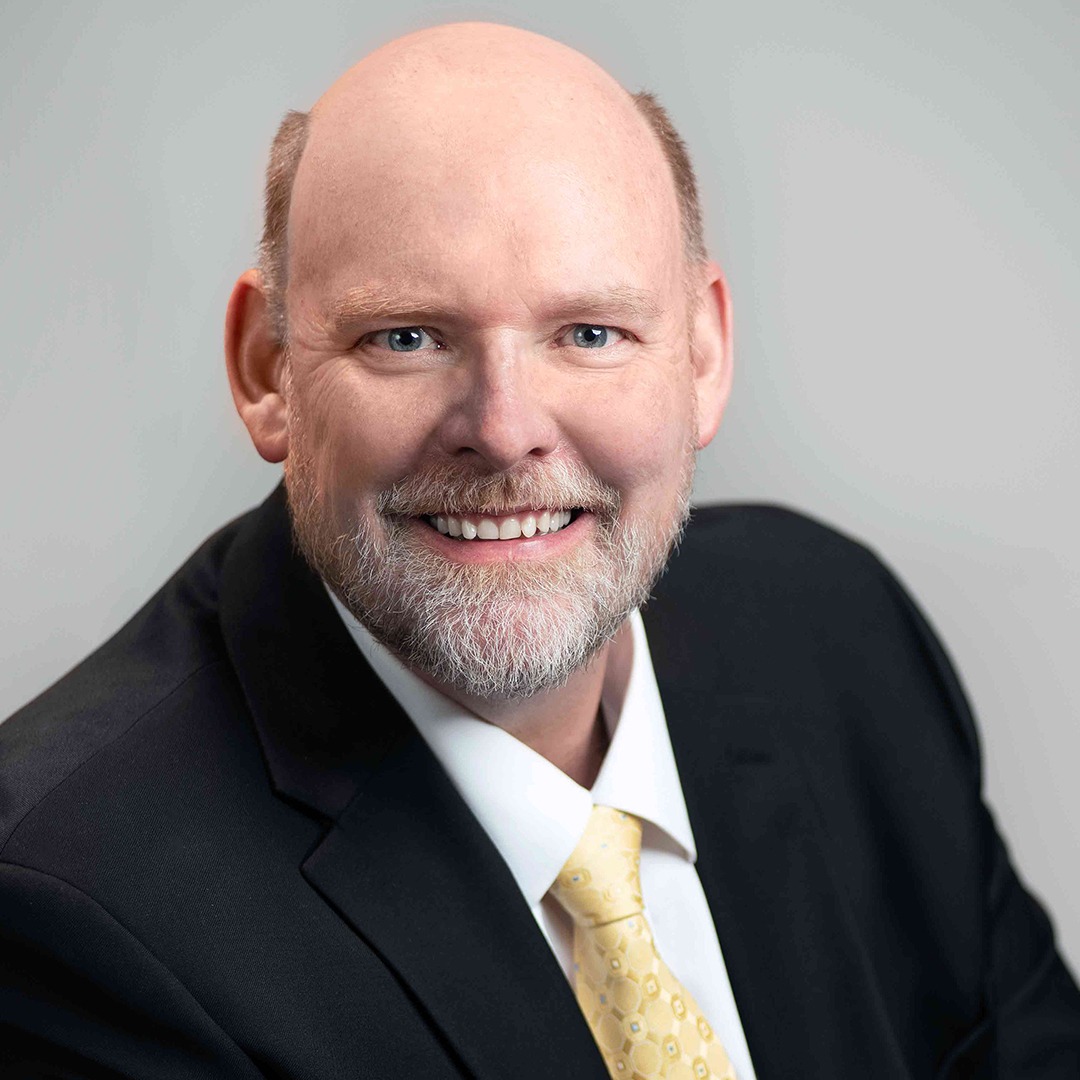
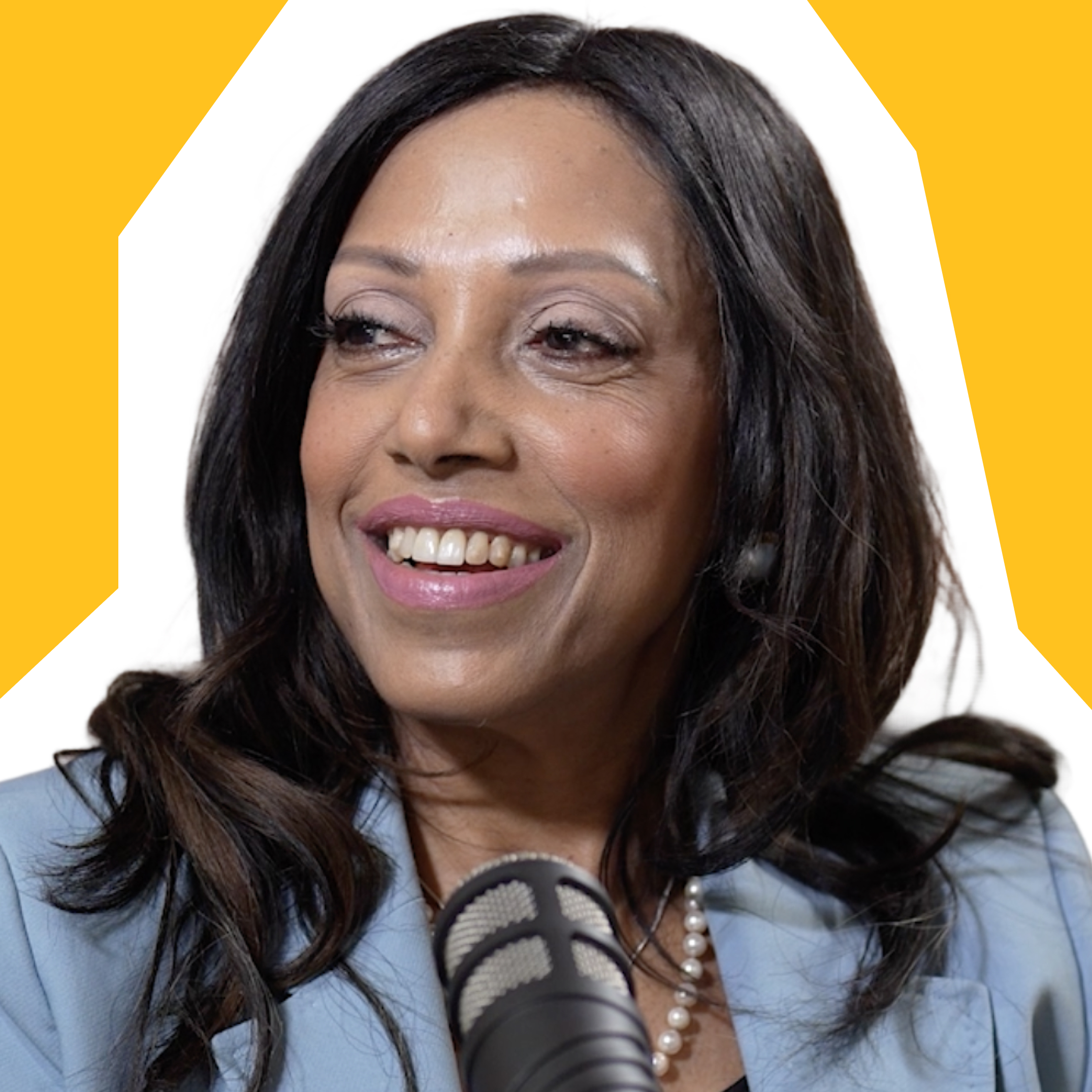
In this episode of High Agency, we sit down with Tom Wright, General Director of Vancouver Opera, to explore what it takes to lead a centuries-old art form through a period of rapid cultural, economic, and technological change. Tom shares how a childhood immersed in music and theatre evolved into a lifelong career in arts leadership, and how his experiences across Canada and the United States shaped his approach to innovation, audience development, and cultural stewardship. We unpack the financial realities facing arts organizations, the challenge of balancing artistic risk with sustainability, and why opera continues to resonate in an era defined by algorithms, fragmented attention, and shifting cultural expectations. Tom discusses the importance of community engagement, Indigenous partnerships, arts education, and creating pathways for the next generation of performers, creators, and audiences. From reimagining audience access to advocating for arts infrastructure in Vancouver, this conversation explores why culture remains essential to civic life and what it means to preserve tradition while embracing change.
Mo Dhaliwal [00:00:00] There's so much risk aversion when it comes to any sort of media. It's like, I want to, I wanna guarantee the experience as opposed to seeing something that might blow your mind, but you're not necessarily able to advertise in the same way.
Tom Wright [00:00:12] Funding is a challenge. We don't have the risk capital in the arts to experiment and lose too much. I would love to be engaging composers and librettists on a more frequent basis to create the next great opera or try to, but the costs of producing that are just so high. We're just not in a position financially right now to take that risk.
Mo Dhaliwal [00:00:42] Welcome to High Agency, igniting conversations with inspiring people, leading transformative change.
Mo Dhaliwal [00:00:54] Every civilization we've ever uncovered has left behind art, painted on cave walls, carved into stone or sung around fires. And the impulse to express, to make meaning through beauty and form is as old as humanity itself. In fact, it's probably the defining characteristic that separated us from the rest of the animal kingdom tens of thousands of years ago. And long before written language, before currency, before laws, people were telling stories. They were making music. They were moving their bodies in ritual and celebration. And that drive didn't fade as societies grew more complex. In fact, it deepened. It also became more complex, it was shaped and refined into extraordinary disciplines across dance, music, theater, traditions that can demand lifetimes of mastery and transmit centuries of craft and emotional intelligence. And today, The institutions that are built to preserve and present these art forms are navigating a world that looks and sounds very different from the one that shaped them. Audiences are more diverse, attention is more fragmented and popular culture moves at digital speeds. And the very idea of what counts as high culture is being re-imagined. Demographics are shifting, funding models are under pressure and arts organizations everywhere are asking hard questions about relevance, access. Identity, all while trying to maintain the depth and rigor that makes their work extraordinary in the first place. And one institution, and home to an extraordinary art form, is the Vancouver Opera. And today I'm talking to the opera's general director, Tom Wright. Tom is at the helm of one of Canada's leading opera companies. With a career spanning decades in arts leadership and administration, he's worked with the organization through a period of significant transformation. Rethinking how opera connects with new audiences while preserving the art form's creative ambitions. His background bridges the artistic and operational sides of running a major cultural institution, making him a sharp observer of where the performing arts are headed. Welcome Tom,.
Tom Wright [00:03:08] Thank you very much. Thank you for having me, Mo.
Mo Dhaliwal [00:03:11] Um, so, I mean, in my intro, I kind of started the story from a hundred thousand years ago or maybe longer, I don't know. Uh, but, uh, maybe we'll fast forward a little bit and, uh you know, talk about, you know how you actually got involved in the arts in the first place. Um, I means Vancouver opera is your present role and you've been involved, you know there for, um, I think the better part of two decades now. Yeah. Um, but something obviously drew you to the arts, something that said, Hey, this is, uh. A livelihood, this is a vocation that is of interest, so we're pushing this direction.
Tom Wright [00:03:46] Well, I would go back to my parents getting me involved in piano, cello, and violin back in grade school. I did grow up in North Vancouver, Canyon Heights Elementary School. I remember in grade seven, my dad and I built the set for a production of Tom Sawyer. And just recently, I was going through some old boxes. My dad passed away some time ago, but I was gone through some boxes. And I found these. Wonderful notes from principals and teachers thanking me for coming back after I'd left grade school for helping them put on their next musical or their next play. So I took that with me into high school and though I played a little bit of football, I also was deeply into theater in high school. And Hansler Secondary School was very good at stewarding arts. And culture through their curriculum. So I joined the drama club and I was all part of that. And I realized very quickly, I hate being in this position with cameras and lights. I would much rather be behind the scenes promoting that. My high school gave me a scholarship to attend the Banff School of Fine Arts and that's where my real involvement in arts and theater and music began. I met Colin Graham. Colin Graham was the head of the opera program at the MAP School of Fine Art. But Colin was also the dramaturge of Benjamin Britten, the British composer, who had written some really amazing operas. And Colin instilled in me, which I still bring to my work today, the importance of theater in opera. Back in the 80s, opera singers would just love to run on stage. Fight for downstage center and sing the best they could. Character development and everything else involved in theater was missing. And Colin brought to me that importance of theater. So while I went to Banff in my first year because I wanted to be a lighting designer, I quickly found out that I was slightly color blind on reds and greens and maybe I should shift. I became a stage manager. I stage managed all throughout Western Canada. I started work at Calgary Opera. I worked my way up the ladder at Calgary Opera and left there as director of production when I started at Arizona Opera in 1998. And then proceeded to really immerse myself in the artistic side, the musical side. So while I am not a classically trained singer, you don't wanna hear me sing, although I was singing some pretty good talking heads the other night at the Queen Elizabeth when Mr. David Byrne was in town. Um, I, uh, I really, really, really am passionate about the marriage of theater and music. And, and that is what opera is. And we're the only art form that does dance, scenic design, music, and of course the voice, the most important aspect of opera.
Mo Dhaliwal [00:07:04] I mean, it's kind of interesting coming full circle like that because, um, I mean, your, your dad, uh, doing the set design has a carpenter, right? That's, you know, behind the scenes work or it's production. You're there's a craft there of how to, how to present this. And then later on that craft gets animated right through the actual performance itself.
Tom Wright [00:07:22] Exactly, yes, fond memories of all of that time in my life, working with my dad on the carpentry, carrying that forth. But I think it was the musical studies that I did. I played cello for five years, I played piano for five year, I played violin for three years. So that introduction to classical music really is I think what married me into the world of opera. Although I love all types of music, maybe some country I can do it out, but for the most part, I love music and I think I rebelled a little bit because of that somewhat gentle forcing into classical music. As soon as I heard Led Zeppelin, I was like, oh my God, this is incredible, so powerful, and yet so lyrical in what Led Zeplin was to me, so. Very blessed to have spent my entire career right out of high school, no university, technical training of course at the Banff School of Fine Arts and a long relationship every summer in Banff. After I finished my training there I became an apprentice stage manager and then I helped produce two Afro-Cuban festivals where we brought into Banff some of the finest jazz musicians, uh ballet companies and food consumers and chefs. And we spent two weeks in Banff immersing ourselves in Cuban culture. That was some of the best times I have ever had.
Mo Dhaliwal [00:09:04] What do you think you learned during that time?
Tom Wright [00:09:07] I learned that Cubans love rum. In fact, I remember just before, just before the first concert that Grupo Iroquete was about to perform, I just called the 15 minute call and the band came out and said, we're not going on. And I said, well, what's wrong? We don't have any rum. So we paused, I sent in a production assistant down to the liquor store and we got some rum and then everything was fine. I remembered that for the next year. No, what I remember vividly though, was just that importance of what all of culture can be. And that's listening, learning, respecting people's differences. But for me, it was learning about Cuban culture. And that. Their connections with Afro-Cuban music was really, really cool. I was young, 20-something, I didn't know any of this, I was never taught that. And so those things that I've picked up over my years, I think have helped shape me for the world that we're trying to migrate through right now.
Mo Dhaliwal [00:10:21] You know, I mean, my experience of the arts with opera, especially it was kind of similar in a way. Like I, you know, my involvement in the arts has always been on, you a little bit of production, but a lot of governance work, a lot of advocacy work for the arts sector, you know, overall and obviously for the Punjabi community here. But it was sort of a collision of just kind of being immersed and experiencing something new for the first time. And I sometimes think about my first opera experience, um, and how it came about and it was quite random, like I didn't, um necessarily understand opera. I, you know, might've seen it on TV and understood it to be that sort of cliched fat lady singing that whole trope, right? And it was actually just on a lark. Um, I'm forgetting the gentleman's name now. Oh, I feel so horrible. Uh, but he just reached out because I think at the time I was, uh, working on the Pongada festival. And it was just running around in the community, you know, doing a bunch of different things. And I think he just like plucked me out of obscurity. It was like, Hey, you should come check this out. Just toss me a couple of tickets. Um, and I just showed up and, you know, went through the full, you know, experience, the full three hour production. And I was like. Okay, wow. Like I wasn't expecting that. Um, And the interesting thing that I really enjoyed was the idea of taking an entire act of just building up and exploring like one emotion, right. And then moving into another emotion and then landing in a sort of final emotion. Right. And I just thought that was so fascinating. Cause I'm like, you know, we don't even spend time thinking about what we're doing right now, let alone taking an entire 45 minutes to feel one specific thing, right? So I had a really great experience and it was super interesting. And I kid you not for, I think the next year, year and a half, um, anytime I needed to like impress a date, I would just like calm up and he just like tossed me a couple of tickets and I'd show up. Um, and then years later I was invited onto the board of the opera and I don't think I ever fully admitted to anybody what my first, uh, you know, experience was, uh or the fact that my, you know, my trick to impress dates would be to, you know, uh call up the opera and get a couple of free tickets and show up. But that was actually my first experience. And even what you're describing with this Cuban festival though, um, I feel like the opportunity to have like a bit of a collision with another culture and experience something. You know, I'm not sure where people go for those opportunities today because there is a bit of an aspect of curation where everything is algorithmic, everything's about curation. And I feel like in the era that you're describing, there was a lot more room for experimentation. Like now we would call it experimentation back then. It would just be like just experience because you know, how would you know? And you would just show up and have an experience and then
Tom Wright [00:13:12] It's all about money, unfortunately. Back in those days, the Banff School of Fine Arts was heavily funded. They've lost a significant amount of funding over that time and they're not producing those festivals to the extent they did back in the 80s and 90s. But they're still doing great work. Certainly the Banf Center in the indigenous world has really expanded in their indigenous mentorship programming and the training and education that they provide. What makes me really excited about where we are at Vancouver Opera right now in today's world is we are taking this three, 400-year-old art form and we're saying, look, back then, the world was very different and what we're gonna present to you has challenges in it in the way it was written, what the subject matter might be about, but that's okay. We'll have a conversation in the community about the work. You need to come and experience it for yourself. We're making sure that we have a touch point or a a price point so that everybody can get in. Our cheapest tickets are 25, and of course they go all the way up to the best seats in the house. But I have seen in my 19 years at Vancouver Opera, an audience become way more diverse, reflective of our population, and quite a bit younger, which is great for our art form. As somebody who's not on social media, because I've quickly recognized 20 years ago that it might not be healthy, I am so grateful to the younger generation who live off it. And we utilize social media for, of course, advertising purposes and marketing and spreading the word. But I've forgotten where I was going with this thought.
Mo Dhaliwal [00:15:09] With the transition and audience. Yeah.
Tom Wright [00:15:10] Yeah, the transition of audience has been really rewarding to Vancouver Opera. So our programming in the last three years has been pretty traditional and we've seen record audiences, our season, next season, the subscription sales for next season. We've never seen anything stronger. And of course we're producing three operas that are in the top five of the world repertoire and we will present them mainly classically, uh, one of the productions will be slightly stylized. But again, it's about bringing together the best Canadian artists wherever possible, and that's our first mandate, is to make sure we're employing as many Canadian artists as possible, but also putting an eye on excellence wherever possible as well.
Mo Dhaliwal [00:15:57] Yeah, I actually think, I mean, I think that's critical. Um, again, going back to my earliest experiences, the other thing that was happening before long before I joined the board, um, was at that point, there was also this kind of interesting, um sort of recreation of opera happening where, um you know, if there was an upcoming production, uh, Vancouver Opera would produce like a manga on that production. And that would kind of go out and I saw it getting shared. And I received it a couple of times from different people, but it was just, it was a cool way to like, um, you know, experience the story, uh, in a different medium that you're not used to kind of get that familiarity, um. You know, well, actually it would be a story you're not familiar with, but a medium you probably are familiar with. Right. Um, so I thought that was interesting, but through this sort of period, there was also, um I can remember from my six years on the board, there was also just a lot of consternation, right. You know, how do we adapt? How do we, how did we change? How did we shift? And I remember joining the board of directors as like back then, you know, the young brown guy. Um, and you know. I don't think it'd be a surprise to anybody that, uh, back then my early thirties or whatever it was, mid thirtys, I was like probably decades younger than, you know, next oldest board member. And also I think from a community and from an experience that was quite different from a lot of the board members. And that was during a period when... Um, there's also experiments with, uh, the Vancouver opera as a festival model, you know, changing how the seasons worked and all that sort of stuff. And, you know there was, there was a really, there wasn't a good answer, right? It was, we, we knew there was pressure. We knew there were, um, funding issues. We knew that was a traditional demographic and audience that, um you know it was essentially Caucasian, uh a bit older and very, very used to Western European. Classical forms being presented in a particular way. So there'd always be this tension of, we want to diversify audience, yet we can't alienate who the majority of our donor base is, right? And there was always this like kind of push and pull. Um, and there was some interesting experiments during that time, right. Like, um, you know, Shane Coyson's poem, uh, stick boy, right, was turned into a production, which was. Phenomenal. Yeah, it was a great experience.
Tom Wright [00:18:14] Video Vancouver.
Mo Dhaliwal [00:18:15] And, you know, but, but through those experiments, like, I think some things worked, some didn't, uh, but it was kind of a period of flux, right? Um, you what did you sort of observe during that time when you see this, this company that's basically upholding, as you said, like a three, 400 year old art form, but suddenly is like in this few decades period, just feeling like, wow, things are way too different, too fast. And we can't even adjust or keep up.
Tom Wright [00:18:41] What I've experienced and what I continue to experience is that funding is a challenge. We don't have the risk capital in the arts to experiment and lose too much. That is a really big challenge for us. I would love to be engaging composers and librettists on a more frequent basis to create the next great opera or try to, but the costs of of producing that are just so high that right now we found a stable model that works for us. We're producing three great operas of season, doing the best we can to attract as many new and old audience members. Yes, I certainly get lots of comments from an older demographic about maybe going too far outside their comfort level. And I have. I'm okay with that. I'm OK with people telling me that they don't like me engaging at the top of a show in a curtain speech with our First Nations leaders. I'm ok with people saying that. I don't agree with them. That is, to me, one of the most important values of our company is our engagement and conversation with the Squamish Nation. Right now, but all three nations, with regards to the importance of who they are in our world. And learning from them, listening from them. And in fact, we're in the process of developing a nationwide mentorship program for Indigenous youth to get attracted to and be involved in opera across Canada. And that's not just opera singing. That's every aspect of what we do.
Mo Dhaliwal [00:20:32] I actually forgot about that. There was, um, we had done some, uh, I'm saying we, like I'm still on the board, but, uh back then we had some co-production with the, uh First Nation communities. That was the magic flute. The magic flute, that's right.
Tom Wright [00:20:46] Great experience that my predecessor Jim Wright started back in 2000, I think it was 2003 and 2004 when he first reached out to the Indigenous First Nations, First Peoples Society and they helped him walk through all the challenges, all the conversations, all of the learnings that needed to happen for an opera written in the 1700s to be transposed and realized with a West Coast Salish feeling and design component, and even the language that we put into that was very rewarding. And many people still come up to me saying, when are you bringing back that production? We're not going to be bringing it back as it no longer exists, but we will continue the conversation every time we look at an opera. Is it possible to involve this community? And actually, one of the communities that I hope to get more involved in is the Southeast Asian community. There's been some exciting operas produced about that language or that culture, some of those cultures. Surrey is an area in the lower mainland that we have not been able to break into. It's just been a challenge for us. Probably because of the venues, the Bell Center is about the largest center in Surin. We can't fit our big opera productions in that small stage. But now that we have this cultural hub at Vancouver Opera at our home, just off Commercial Drive, the Indian Summer Music Festival is part of our cultural hub, along with the Children's Festival, the Folk Festival, The narwhal. Which is an online publication about the world and an environment. They're now in our space, along with the Vancouver Men's Chorus and the West Coast Symphony. So we have a real cultural hub happening at the Vancouver Opera. And I'm starting to see synergies between other organizations. And this is something that I'm hoping Vancouver Opera will get involved in more deeply.
Mo Dhaliwal [00:23:09] Yeah. And, you know, I think sometimes there's also a sense of a community, you know, forming a relationship or familiarity with an art form that, frankly speaking, is, is very foreign, right? But can come to sort of appreciate it over time. I remember years ago having conversations with Vancouver Art Gallery, where there was a real intent to engage with the South Asian community, right. And speaking quite frankly, I I think the intent was... Um, there seems to be a lot of wealth and affluence in this community, and we could probably mine this community for donors, right? Um, and it was just such a disconnect between any of the programming or any of the sort of curation, um, to be, you know, even form any sort of connection with that community in the first place. Right. And I guess, you, just out of curiosity, like what would be, you know. As a thought experiment, what would be your entry point? What would be the idea of how to engage a Punjabi community, a South Asian community?
Tom Wright [00:24:10] I, you know, we experimented with the Asian community by programming Asian-themed operas, like Turandot, or even bringing in Tandon's Tea, A Mirror of Soul. But that's the wrong way to do it, I think. Those productions didn't do so well. Turandat always does well. It's an epic grand opera. But by placing artists in representation on the stage, I think is the best way to that. That. So, Singing the role of Rosina in next year's production of Barbara Saville is Albertan and soon to become a well-known opera star, Deepa Jani. So by having her sing this role, hopefully that will open the door to kids, to the youth to say, wow, she looks just like me. Maybe I could do that. And that's what I hope to do with the Indigenous Mentorship Program. Just do it. We do that on our stage and I'm very, very careful about making sure that we have opportunities for everybody. It is not just for the educated, it is not for the elite, it's an opportunity for everybody to experience what we can. Whether that's an audience member or a young singer coming up through their university training. And to be a professional opera singer in today's world and to have. A life that is rewarding and fulfilling requires a lot of education and training. Training this starts when, you know, basically out of high school, all the way through university and there are still students in their 30s that are getting their doctorates wanting to be an opera singer. You really don't start that living until you're in your early 30s. Takes a long time.
Mo Dhaliwal [00:26:08] So I think you're onto something though because I even think about you know, my earliest experiences in this community versus now and how much communities matured such that, um, like I can find Punjabi people now, like, you know, throughout Canada and North America that, uh, are born and raised out here, have a really strong, uh connection to, you, know, Punjabi upbringing or whatever part of South Asia that they're from, but are also perhaps, um you know trained in Western European forms. Uh, I can't find Punjabis people that are involved in opera, jazz music, other traditions. This is, you know, my, my first sort of window into this was actually like, um, years ago, there was a guy named Zeeshan Bhagwavi, um American guy. And I'm not sure if his family was from Pakistan or India, but, um you know, like, but diaspora guy, like the rest of us, um probably born in the States, but uh, you knew, parents were, were immigrants and There was this like online blog that followed him and it was really interesting. The number of sort of places he touched, because the school that he went to and the, um, um, you know, the university that he studied music at, um. They also had a Pongada team, right. And that was a kind of phenomenal sort of, um well, actually just a phenomenon in the States, uh, in the 2000s was that every major university as almost like a subculture had a pongada team as well, right? And so even when we started, you know, Vancouver international bungalow celebration, you know, VIPC back in 2005, that was actually our big lever was we counted on the fact that every major university has a bungalowed team, right. So. This guy actually performed as a vocalist singing like hardcore, you know, Punjabi folk kind of opening vocals for the Spangra team. I think it was Northwestern university. Actually it's coming to me now. Um, I haven't thought about this in years. And so I saw him there and he's like singing of us like, you know, Punjabi, folk vocals was like incredible. Right. And then I kind of followed the blog further and then at Northwestern university, he had done, um, this sort of, uh, you know, rendition of. Um some really classical Urdu poetry set to you know Indian classical music like oh yeah that's beautiful and then the next post was a video of him um singing like opera right as a like classically trained like in the Western European form right and later on he went on to like start a funk band in Chicago right and so I had these three YouTube clips of like him doing this Punjabi folk vocal or do poetry and the Indian classical style, and then the sort of the European classical operatic singing voice, and then later on his performances as like this lead of a funk band, right? And it's a really weird fan experience to have like following this person, but I just like so appreciated just the sheer diversity of this experience. And whereas he might have been a really unique phenomenon back in the day, I feel like the diaspora has matured in so many different ways. Like, you know, you played the violin, a really interesting violinist goes by the name Raginder, right? Rag, obviously being the Indian musical scales, right. Raginder plays violin and classically trained, but then also lends violin to like, doing these cool collabs with like DJs and like Punjabi music producers, right, yeah. So there's all these sort of points of maturity that are kind of happening and the timing kind of seems to be right there to be. More of these like really masterful people that are in diaspora, that are, you know, from very diverse backgrounds to get involved with these art forms. So I really think you're onto something.
Tom Wright [00:30:01] Well, and this is an area that we explore with our community engagement programming. Thanks to some funding that we receive from one of the big banks in Canada, we are able to present between 12 and 15 free events a season throughout various venues in Vancouver. And we utilize that to bring in artists, have a conversation, have performance, And it doesn't have to be about opera. As long as it's got a musical or a theatrical perspective, we will gladly produce and help produce artists in these events. We've been doing this for three years now. It's become actually, I think, a significant part of why we're seeing more engagement with younger audiences and more engagement with people who maybe were scared of what opera is. And that's been really exciting that Ashley Daniel Foote, our director of engagement and civic practice is doing a great job of leading that. I just wanna go back to the one opera and this is where I'm challenged as a leader. There was an opera called Shalimar the Clown based on the Solomon Rushdie. And I was fascinated because I learned so much about that region and all the historic troubles of that region. Um, and then it goes into an American, of course, there's an American and ambassador involved and there's death and, but I was totally fascinated by this opera that was produced by the, uh, um, opera theater of St. Louis and the composer has wants me to produce it. I'm not sure I can. It requires a lot of resources. It requires an immense amount of theatricality. And.
Mo Dhaliwal [00:32:00] Man, if there was a time for it.
Tom Wright [00:32:02] Well, right now, if there was a time.
Mo Dhaliwal [00:32:04] For it, Tom.
Tom Wright [00:32:05] Now's the time. It, it's, it, it got it's on the list. No other opera company has produced it, which, which is the other thing that I'm concerned about. It's only had a one-off and that is a big challenge in our business. We invest so much money on these one-offs and then they get produced once. Creating a channel of collaboration across Canada is what we're trying to do with all the Canadian companies so that if we're going to invest into a new opera.
Mo Dhaliwal [00:32:33] You've got to be able to tour it. There's gotta be tied to like the reality of finances and revenue.
Tom Wright [00:32:37] Stick Boy is similar to that. That was a wonderful experience working with Shane on that opera, which unfortunately is always gonna be relevant, bullying, whether it was the subject of Shane's being bullied or the world of bullying today, which of course with the craziness that goes on with these. It's only intensified since then. It has. And in fact, I have spoken with the director of that show, the dramaturg, Rachel Peake, about maybe it's time we bring back the creative team and have a conversation about relooking at Stickboy again.
Mo Dhaliwal [00:33:20] So there's a real, um, financial reality then, right. Of, uh, trying to get creative with this form. Um, and you would want it to see, you'd want to see it get, get creative. Um, especially be able to kind of speak to the times because what we're looking at as a classical form today, I mean, it was, it was pop culture once, right?
Tom Wright [00:33:40] I mean, the Castrati, back in the day, they were rock and roll stars. They were rock-and-roll stars. Thankfully, that doesn't happen anymore, for good reason, but still, back in the days, classical musicians, they were the stars, they were the huge fan followings. It just didn't happen as quick. Yeah.
Mo Dhaliwal [00:34:05] I mean, and just for the sake of anybody that isn't familiar with the term, I just have to expand on Kastrati because it's like, um, grotesque and beautiful. Um, I remember it was so haunting. The first time I heard like the last recorded, uh, you know, voice of a Kastradi singer and Kastraadi obviously referenced to castration because these were, uh young boys that were castrated such that, uh puberty wouldn't cause their voice to change, right? And so you'd have these grown, sometimes middle-aged men with childlike, but beautiful, beautiful vocal range. Yes. So like utterly grotesque, but like beautiful. I don't know. It's a, it's a tough one.
Tom Wright [00:34:48] It
Mo Dhaliwal [00:34:48] in a different era. Different era, yeah, absolutely. So let's not do that.
Tom Wright [00:34:53] No, no, no. We're not, we're not doing that. And, and, uh, I mean, in today's world, the countertenor is, is what is, um, that high, beautiful soprano-like singing that a male voice can do. I. Don't know very much about that. Vancouver Opera has produced some of those operas that require countertenors. In fact, an opera that was written in 2009 called Flight by English composer Jonathan Dove we presented last January. And it's a wonderful opera. It was actually based on the true story of the Iranian refugee. Who lived in the Charles de Gaulle Airport for 10 years, 20 years. And so this opera was loosely based on that experience and all the travelers and the staff and the flight attendants and everything that crossed his path. But a countertenor was the character of the refugee.
Mo Dhaliwal [00:36:00] That's incredible, so operas are still being produced, or at least written, it's just a matter of where and how they can get mounted I guess.
Tom Wright [00:36:08] That is correct. My colleagues in Quebec, at Montreal, they have more funding in that province. I mean, the province of Quebec treats arts and culture like they do in Europe. There's opera companies in every major city and every minor city in Germany. And so when a young artist has finished their training at Vancouver Opera, I always recommend they look at Europe. Look at Germany. Because they will learn so much repertoire just by going to one city and being a part of that company because there's opera being produced every weekend. Funding for arts and culture in Europe has diminished slightly, but they're still looking at between 85% and 95% of funding for arts and culture is coming from the government, where here, it's about a third coming from government, a third, coming from ticket sales, and a third coming from. Individuals and corporations and family foundations. So there's a big difference in how funding works for the arts in Canada, but Quebec is different because it has more of that European feel and that European sensibility towards arts and culture. Which, boy, it would be nice to have that in BC. I'm not gonna hold my breath for too long though.
Mo Dhaliwal [00:37:36] You know, it's unfortunate. Um, I think since the late 2000s, um, you know, then that was my first involvement of being a part of any sort of, uh, grassroots sort of advocacy campaign where like everybody came together. If you remember 2008, 2009, right. It was like, it was like Bungalow festival, Diwali fest, jazz fest, like opera. Like everybody came. Um, to protest the fact that the province had like just kneecapped arts funding that year. And after that, I remember like reading reports and like, you know, putting together studies and all of this stuff to kind of support the advocacy campaign. And it was all to build on this message of, um, showing the economic sort of impact and viability of this thing, which I think is good and valid, right? Like there was some report put out, I think back then by Hill strategies that said that for every dollar of arts funding that it did turn into something like, um 12 dollars of economic impact and tax runoff and all sorts of things. And, and that was good. It was a good argument to make, but it also felt a little bit like almost kind of cheaping the whole thing, right? Where like, yes, the economic impact is important, um, but some of it isn't going to be directly attributable. Um, this is like humanity, right. I mean, you know, Churchill for as sure as he was, um had that famous thing during the war where, um it was about, you know protecting like the arts institutions and the galleries and the art houses and it was like, well, why do you need to protect them? And it was, like, what, you know, what are we fighting for then? If not our culture and our humanity.
Tom Wright [00:39:09] Well, it's amazing to see the collaboration that is happening right now in Vancouver. Vancouver has had a challenge. We want to call ourselves a world-class city, but yet the arts groups in this city are severely underfunded and under... We don't have enough performance venues. It's simple. So we've all banded together. We've all joined in all the musical organizations, specifically 29 of us. Um, we started this a few years ago. Uh, we, we're, we were in a multi-year conversation about building new venues in Vancouver. The first report though, that we had done specified and has educated all of us and educated the politicians we've started having conversations with in Melbourne. I believe it's 1.87 seats per thousand for arts and culture in Toronto. It's about 1.53 and in Vancouver, it's about 0.56. So it's clearly imbalanced, uh, for the ability for arts and culture to be seen in this city. Um, and nobody's performing like the symphony is not performing in a concert hall. They're performing in an old vaudeville. Movie house, Vancouver Opera and the ballet, the ballet BC, we're performing in a multipurpose large auditorium that was built for many uses, not just specifically for our art forms. So we're in a process that we hope to in at some point in the future, I don't want put a timeline on it. Have some new venues created in this city so that we can truly call ourselves a world-class city and have the ability for arts and culture to be seen by so many more people as our cities grow. I think this has really been educational for all of us to band together and really rally for this. We also did, as a nationwide study, uh, pre the last federal election, we did a lot of lobbying and we had generated, um, the economic, economic impact of arts and culture in Canada. It is much higher than the combined agriculture, fisheries, and... Tourism sectors combined. The spin-off of all of arts and culture across Canada is vital. And we made such a good point that in the last budget, we weren't cut. In fact, the Canada Council was given a little bit more money. It wasn't what we were asking for. We were asking $140 million investment into our sector, and I think we got a $30 million investment, but we didn't get cut, which was really important. I mean, we understand, obviously, and I think if you're a Canadian right now, you know there's a lot going on in the world, and we have to make some changes with regards to how we're going to get through in this new world, especially when it comes to maybe the armed forces and our own security. And I understand that there's got to be more investment in that. But we can't just say... Arts and culture is fluff, we don't need that. No, that's what makes us Canadian, that's makes our society so important is arts and culture.
Mo Dhaliwal [00:42:56] Absolutely. I mean. For the size of country, I mean, Canada is a small country, even then, um, you know, federally $30 million just seems like such an utter pittance. I know. Right. It's, it's laughable. Yeah. Um, so I was in Geneva, Switzerland a couple of weeks ago. And again, I understand that, you know, it, well, first of all, it's Switzerland, um and beyond that it's Europe. It's a different, um culture and appreciation for what, you know, could be considered. Their own sort of art forms. Um, but being in a city that, you know, isn't, isn't a huge place either, you know fairly small, but the number of venues, right? The beauty of the venues and just cause I wanted to see, you know, some classical music performed in a, uh, the classical European venue, um, went to see a Bach concert my last night there before leaving. And it was just beautiful and resonant and also, um quite sort of commonplace, right. Because it wasn't like. That evening, people were, you know, going to the symphony. And it was like this incredibly fancy thing. Like, sure, you, know, people are well-dressed, but it was also just kind of the day-to-day, right? It was like, there was a touring group and you know very highly rated people wanted to see them. And again, diverse audience, right. Young and old, a lot of different communities showed up and it was just this beautiful evening. And that was one of many things happening in what is actually a pretty small city, right in comparison, in comparison.
Tom Wright [00:44:25] Yeah, well, and that just resonates so much. We just don't have those great facilities to experience the unamplified art, that symphonic and opera, and even ballet. Ballet BC I know uses soundtracks right now, but if they go back to or ever have that live opportunity to have a live orchestra and not use canned music. Having the venue to experience that.
Mo Dhaliwal [00:44:59] It's a different effect.
Tom Wright [00:44:59] It's a completely different effect. And that's been actually the challenges of Vancouver Opera over our 65 years is we've been, or 67 years now, we've in that venue that was not built for our art form and it's had its challenges. Thankfully, it was renovated in 2009 and the acoustics are a little bit better for what we do, but it is still a big barn. It doesn't have the intimacy that you want. So. So programming chamber opera for me is a real challenge in that venue. When we started our festival experiment, performing in the playhouse was rewarding, especially to our real opera lovers because they got that intimate feel. There's only 650 seats. I keep hitting the mic. 650 seats, so that was really a great experience to me, because you can see the spit coming out of the mouth in the Queen Elizabeth. You're so far away from the action. It's just, you just don't have that same feel. So getting that intimacy back in our art form would be fantastic for our company and for every arts organization that wants to be like that. City Opera Vancouver, a young company. They're the ones that have the ability to explore more modern opera, more new opera.
Mo Dhaliwal [00:46:27] Cause it's a small company. It's a, it's small company, but we're.
Tom Wright [00:46:31] Yes, we're an old legacy arts organization, but we are also collaborators and I'm having constant conversations with my colleagues both regionally and actually Pacific Opera Victoria, we partner a lot with them and we have a lot of donors and subscribers to both organizations. So it's a great part of What's going on in the world right now is we need to partner. We need to share. I'm looking at potential collaborations with our friends in Calgary. I already have a collaboration with a Canadian opera company in Montreal. And to be honest, my conversations with our friend south of the border have slowed. And after nine years of living in Arizona, that was 1998 to 2007, great experience, wonderful experience, exposed to so much more, right? Which is what America is all about. There's just way more opportunity. The scale is just there. Got to travel and see a lot in the United States. But how I'm feeling right now as a Canadian, my direction, my focus, my values are all aligned with Europe right now and Asia.
Mo Dhaliwal [00:48:02] Speaking of Asia, you know, I mentioned earlier that there was a time when opera was, was pop culture. So I have this really interesting epiphany years ago. And I would love to say that it was during a performance that I was just so emotionally moved that something cracked open, but it was actually during a board meeting. So I was at the Vancouver Opera headquarters and we're having a board meeting and I think halfway through, we were taking like a 10 minute break or something. And I'm out and I'm getting some to drink and I've kind of walking back and I was just kind of wandering around and I started wandering through the rehearsal hall. And there was a picture on the wall that I had seen a number of times in the past. I just never really paid much attention to it. But it was, and plus it looked kind of foreign to me. So I was like, oh, whatever. It's just something fancy on the walls. But it kind of like orientalist sort of picture of kind of a Swarthy sort of dark complexion and this kind of big like purple turban. And. You know, nothing that I would look at and think that was relevant to me. Cause it's just, you know, it was a little low Disney ish, a little cartoonish, but it was, it was painted portrait, right? So this time I walked up to it and I read the, the little, it's a little plaque, the inscription on the bottom and it said, um, you know, like commemoration, uh, lawa de Lahore, 1977. And I just looked at it. I'm like Lahore. I'm, like, I know what that word means. Let me, let me look this up because Lahore was at one point. The capital of the Sikh kingdom, right. Um, in Punjab, Pakistan, right? And so, you know, culturally Punjabis, whether you're from, you know, uh, the Indian side or, or the Pakistan side, um, you know, Punjab lands on both sides of that border, you know, since partition, but we all have an affinity for Lahore, right? Because it was just a connection. And there was a saying that, you know, we've Punjabi that, um. If you haven't seen Lahore or you haven't lived life yet. So I saw the name Lahore. I'm like, what? What the hell is this? Right. And so obviously it translates to, you know, the King of Lahore. I started looking it up and the story was written by, uh, Massanet and produced in 1877, um, and it was told a story of a Muslim ruler of Lahor who fell in love with a Hindu priestess, uh. But she was in love with somebody else. And there was like a love triangle and you know five acts later, somebody dies, somebody, uh finds love. Somebody doesn't. You know, like every other opera story. Um, and it was just incredible to me because like I was born in 78, right? And so that, that, that commemoration that, that painting was commissioned, uh, because in 1977, Vancouver opera had performed Loire de la Hore in Vancouver to celebrate like the centennial of that production. And I looked it up and there was like this entire period in the late 1900s were like You know, China, Asia, India was cool, right? Could not get enough of it. And there was a number of composers and, you know, opera producers back then that were just like, sure. It was a bit of that European Orientalist gaze, but they were all over it. Right. They were just, you, know, finding and retelling these stories. And it just blew my mind to think that like, you know, 30 years after partition, uh, of, of India, Pakistan, and early seventies, you know, my family arrived in Canada, right. That there's an opera production taking place in Vancouver that tells the story of a Punjabi capital, right? Um, without any realization or understanding that the story we're telling and the region we're talking about in, in mass in a, you know, opera is actually directly related to the people that are coming here right now and making, making home, right Uh, but it was just like, you know, two sort of streams of culture that kind of ran in parallel, but kind of far apart. And there's no real intersection, right? Cause there's a little bit of, you know, othering, um, and like, yeah, my, my head and heart just exploded looking at that and, um suddenly, you know, there was a whole sort of repertoire that had new relevance for me and that's when I kind of realized I'm like, wow, actually this whole classical thing, like it was pop culture back then and you know, um India was cool. And I'm going to be biased, but of India, you know, Punjab is the coolest. So of course they're writing stories of open job. All right. And is there any opportunity? I want to put you on the spot to reproduce the water lower Punjabi call out. So that goes back.
Tom Wright [00:52:34] To Richard Bonning at the time, the famous maestro, Richard Boning, who was married to Dame Joan Sutherland. He became artistic director of Vancouver Opera. And at that time, he used Vancouver Opera as an experiment for his wife and roles that she wanted to look at. So that opera actually did not do well for Vancouver Opera at the times. Um, but as you just mentioned that and, and remind me of the story, I mean, I've, I haven't looked at it just because I know it was a big failure back in this, in the seventies and I don't want a big, failure right now. However, the story you're telling me takes me back to just a few years ago when we produced the pearl fishers and the challenges of telling a story that was written by, uh, white men in Europe. Who maybe didn't even go to those regions and were trying to retell things that they didn't know anything about. So that's the challenge that I'm in as an opera producer is, is it okay to tell these stories as they were written? Because I'm not going to rewrite their stories. That's certainly not our job. But if it does have a connection to the Punjabi world, then absolutely, I should look at it. I should absolutely look at it because Massonet is one of the best composers of the I'm a French composer. But when I say lua de la whore people are saying, huh? What is that?
Mo Dhaliwal [00:54:15] Yeah, it's pretty obscure. I realized that as well when I, when I looked it up afterwards. It's like, it hasn't been produced many times at all.
Tom Wright [00:54:20] Our city is very much attracted to name recognition. This is one thing I have learned in 19 years. Name recognition sells. Of course, that goes with anything, but when I start programming operas that don't have a name that people have heard of before even folks that are scared of opera, it's a real challenge to produce. But I will investigate this a little bit further. Please do.
Mo Dhaliwal [00:54:48] Um, but yeah, I mean, I, I totally hear that. And you know, we started off by talking that we're, we're in the era of curation. Right. And so there's so much risk aversion when it comes to any sort of media. It's like, I want to, I wanna guarantee the experience, you know? I want know exactly what you're showing me and how are you going to show it. And it has to be recognizable enough that then I can go tell somebody else that I saw the thing and they'll know what it was, as opposed to seeing something that might blow your mind, but you're not necessarily able to advertise in the same way.
Tom Wright [00:55:18] I have had our company involved in some chamber works that we've had to put on hold now that I would love to present more chamber-like. We're just not in a position financially right now to take that risk. So while we continue to build up our base and our base of donors, and I've gone through some personnel changes in the last six months in the fundraising department, which is, of course, a really important department. It's all about cultivating relationships. We'll continue through next season with more popular programming on the main stage. We'll experiment with conversations and different musical art forms in our community series. Vancouver Opera in Schools is also extremely important to the organization, something that we've sort of messed up on just before COVID and then after COVID. Um, our audience of the future is in the grade schools right now. In the seventies when Vancouver opera toured on a regular basis through the seventies and eighties and nineties, we built an audience, we built an, an audience of opera lovers. We built an an audience opera curious, and we built an audience singers, potential singers. And I've, I know many of them today are connected to our form because of that. So we've partnered with Pacific Opera Victoria. We've created a new program to bring composers and librettists together, three sets of composers and librettists. We are challenging them to write a 45-minute opera for grade school kids, based on BC's curriculum for those ages. And we will be picking in May, one of those creative teams. For an opera that we will produce next season. And this will be what we do every year. We bring together Canadian composers and librettists, we workshop it, we bring our professional expertise, music staff, our young artists program to workshop these pieces, and then we'll take them out in the spring, and late winter and spring, and start our school touring again, which is gonna be so important to keep. Arts and culture alive in our school systems. I mean, we can't fix the cuts that continually happen in arts and cultural, but we have to be there to at least have a fraction of impact into the kids' lives.
Mo Dhaliwal [00:58:04] Yeah, what you're describing, I mean, um, it's a sensibility, right? It's a familiarity. It's, uh, it some knowledge that takes a long time to cultivate, right. It's just the nature of, oh, I meet anything that you appreciate. If you know it really well, it took you a while to cultivate that appreciation. Um, and yeah, I'm I mean government budgets on an annual cycle, when they fluctuate, it it's really problematic, right, because, um arts appreciation can't turn on a dime on a 12 month schedule. Right. It's, uh, it takes. A long period of foster.
Tom Wright [00:58:36] And as somebody who loves sports, I am challenged as to why sports don't get cut. It's always the arts that get cut in our school systems first, but it's the arts that makes us human. I'm not sure that playing sports is gonna make you any more human. Maybe it will. Maybe that was the wrong thing to say. Now I'm going to be attacked by all the sports remoters but I just think it's really challenging for all of our arts and culture sectors to hear that, you know, that's the last thing I heard was that Surrey Cut, their grade seven band programs for next season, it's just crazy.
Mo Dhaliwal [00:59:24] Yeah. I mean, band program at young age is very important. Uh, it's where I learned to play the trumpet very badly. Yeah.
Tom Wright [00:59:31] But at least you had a connection to music and started to appreciate it. Same with me playing violin, cello, and piano. Yeah, it was sports in high school that removed me from playing music because I was fascinated with football. But I came back to it in a big way. It's been my whole life.
Mo Dhaliwal [01:00:01] Easy, especially with the career you've had to become maybe a little, you know, dejected, maybe a bit cynical about what's possible and what to do. Especially when so much of it is actually out of your control, right? Because I mean, this podcast, I mean the whole idea is high agency, but you know there's variables that are within your control. But the arts, especially because of the reliance on government funding, even though it's only a third. You know, what's your, what your sort of perspective, like, how do you, how do you tackle change when a, when a new crisis shows up, when a new budget is announced and it's nowhere close to what you need.
Tom Wright [01:00:40] Wow, that's a great question. I think I go back to when I was first starting in the business, when there was so much money involved in arts and culture back in the 80s. And so there was much more opportunity. And there was a much more experimentation. We've had to adapt. Over the decades as we've seen that money taken away. But organizations have adapted in downsizing or re-imagining or rethinking what their audience is. But opera has been around for 400 years and it's not going anywhere. We will adapt and we have adapted. There are opera companies that have taken the focus of just presenting modern new opera. And that's fine if that works in there. In their region. Vancouver Opera right now, our focus is the classics and doing them really, really well and having a conversation about the classics and the period that they were written and modernizing them when appropriate and making sure that we are still relevant in today's world while we are presenting operas that were presented hundreds of years ago. Um, so we're adapting in, uh, and, and we're, we're dealing with change by adjusting our scale. Um, I, I see the challenges of some of the big companies, especially in the States. Um, they're, they are big ships. They're like the Titanic. They can't turn that quickly. And that's one thing Vancouver Opera has always been, a nimble company. We've been able, like for instance, when you look at an opera company, a big major regional opera company they're planning three to five years out because that's to get the best artists that they want and the creative teams that they wanted. I'm still in a one to two year planning cycle. So I can be a little bit more nimble. I may not get the A list singer that I want because they're not available. But there's a lot of great singers in the world and I just have to work a little bit harder to find that person.
Mo Dhaliwal [01:03:12] What are you excited about next? What's the next big piece of news coming out from Vancouver Opera that we should pay attention to?
Tom Wright [01:03:18] Well, over the next three to five years, I hope to have the company back into a position to expand back to four productions in a season. That's where we were when I started. And then when we tried the festival experiment, which we learned a lot from very quickly in that first year when we lost a million dollars of subscribers from. The Stagion system to the festival model, our audience told us we don't wanna see opera in two weekends, we wanna see it throughout the year. So we adapted through that. I... I do believe that we will have that opportunity in three to five years to expand back to four productions in a season. And that as the curator of the organization will allow me to be more experimental in the programming. It would, it will ensure that at least one opera a season is modern or was written in the last 50 years or is a production that the company's never done.
Mo Dhaliwal [01:04:31] Because at that point you can you can afford to take a bit of a flyer.
Tom Wright [01:04:33] Take a little bit more of a risk. So that's what we're working towards, making sure that we do build up our resources. We are blessed with the fact that Vancouver Opera used to own the building right at the end of this block here, where they built the Stadium SkyTrain station. And they sold that back in the day when the SkyTRAIN was being developed. And that money was put into the Vancouver Opera Foundation. So we do have a small foundation that is able to support us and give us a little bit of risk tolerance, a little bit, depending on how the markets are doing. And that is something that we will start working on as well, is a capital campaign to ensure that we're around for the next 65 years.
Mo Dhaliwal [01:05:30] So you mentioned you're not on social media, but if somebody wants to learn more about Vancouver Opera and what's coming up, where should they go?
Tom Wright [01:05:37] VancouverOpera.ca and you can just hashtag VancouverOpera where the social media team is phenomenal. They blow my mind. They're just, we have so much content creation. Ashley does his own podcast as well, which he loves to do and we love to do and promote who we are and have that conversation in the community. But yeah, hashtag Vancouver Opera. You'll find us on all the platforms, I believe, if that's how it works. At least that's what I say from my curtain speech at the end of my curtain speeches. And don't forget at the of the show, take your devices, turn them back on and take pictures of the bows and post to your social media with the hashtag at Vancouver Opera.
Mo Dhaliwal [01:06:31] Awesome. Well, Tom, thanks so much for taking the time to chat.
Tom Wright [01:06:35] Thank you very much for having me.
Mo Dhaliwal [01:06:37] It's been good to reconnect and I'm just happy to hear about how you're leading the organization and how thoughtfully you're tackling both the creative, let's say, and the operational challenges.
Tom Wright [01:06:50] Well, I'll just end with, I couldn't do it without the team that I've been blessed to have the opportunity to put together. I mean, when I started, I was the 29th employee. We only have 16 full-time employees right now. So we're small, we're lean, and I trust everybody in the company is doing what they need to do. And I'm there to just put out fires and to help and maybe mentor a little bit. Uh, and that, that for me right now is the most rewarding part of, uh, running Vancouver opera is the team that I've put together and the fun we have in producing great art. Incredible. Thanks very much.
Mo Dhaliwal [01:07:37] Hopefully we've given you a lot to think about that was High Agency. Like and subscribe and we will see you next time


Get our latest insights on brand transformation and digital innovation delivered monthly. Join forward-thinking leaders who are building momentum.
We’re ready when you are.