The next move is yours
We’re ready when you are.
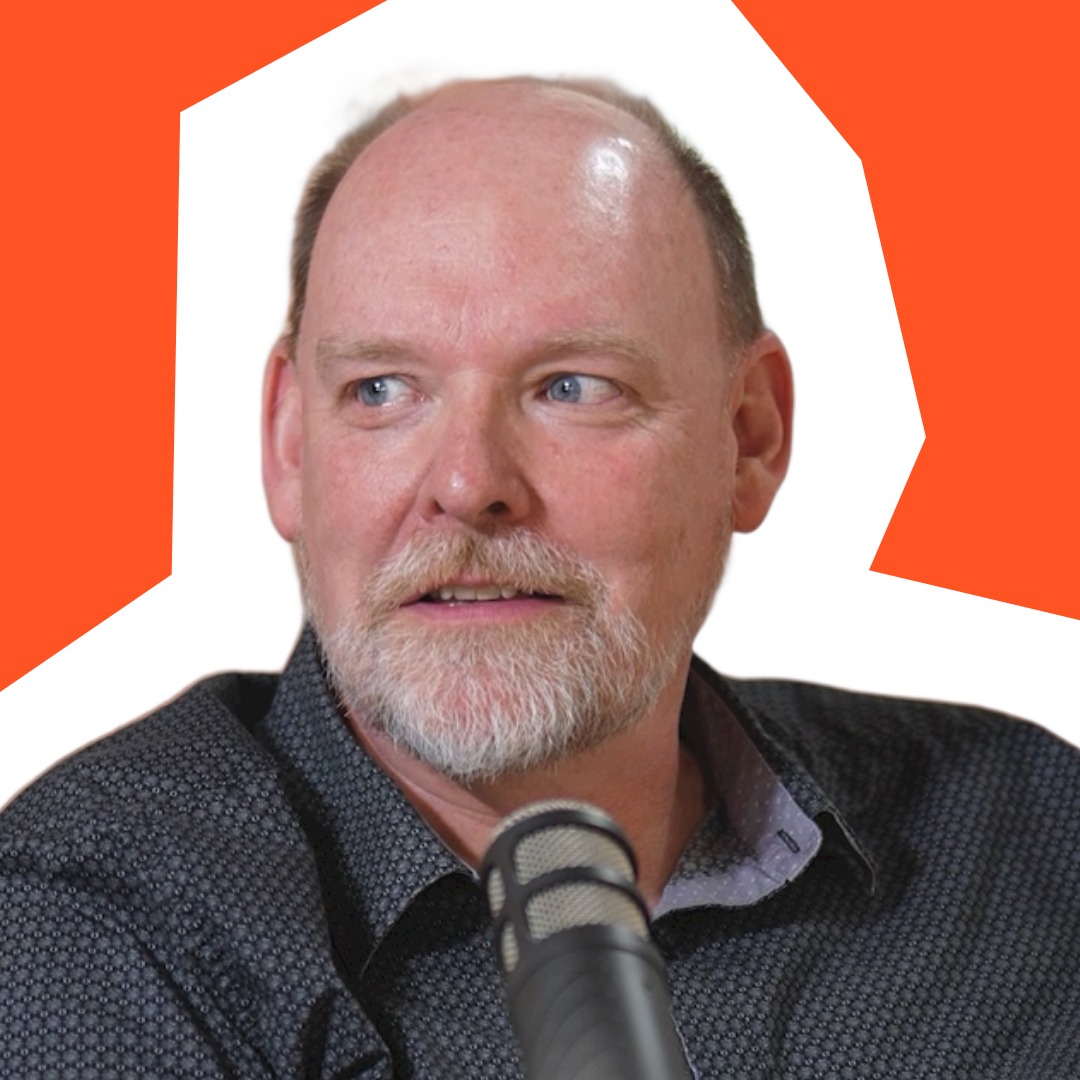
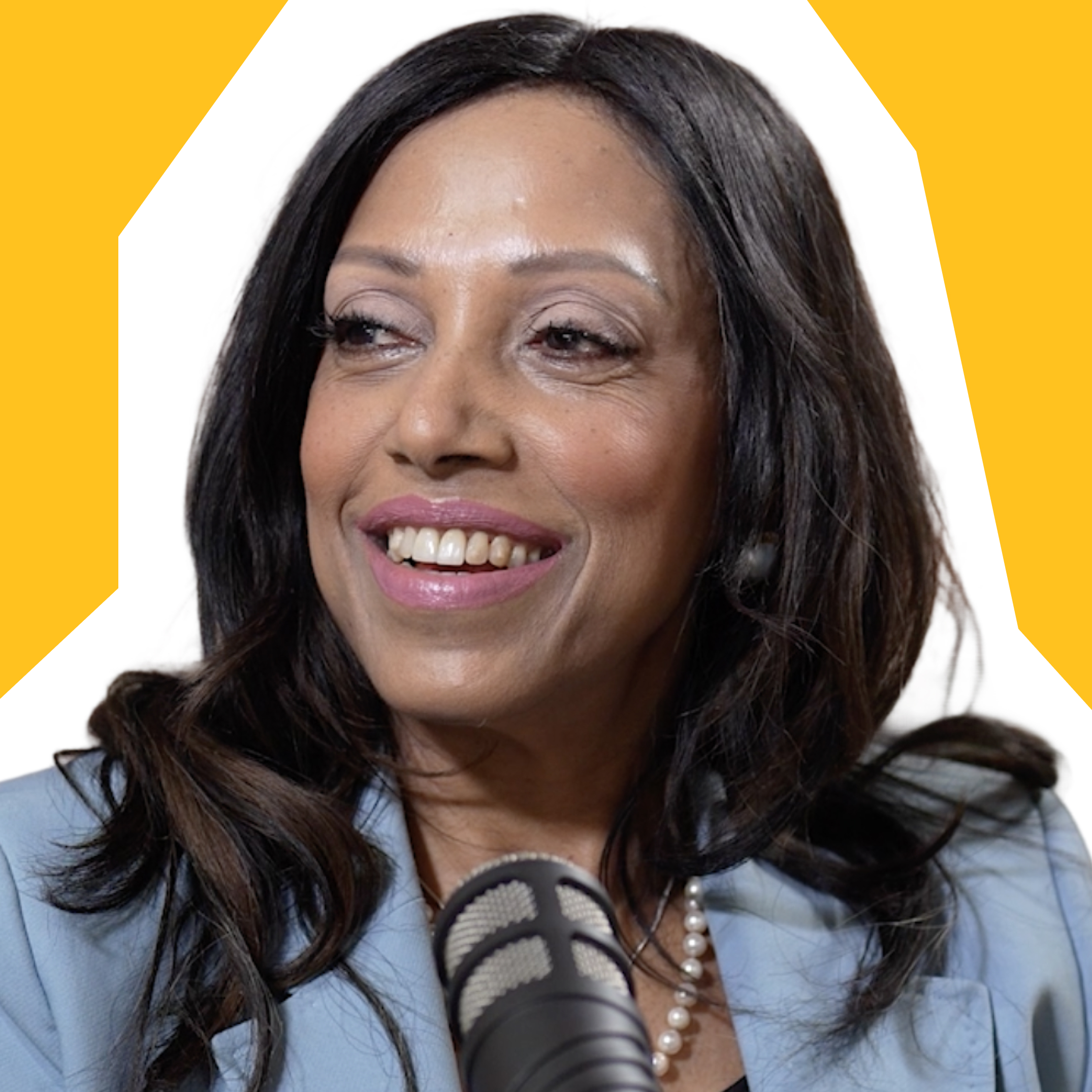
Karri Green-Schuermans is a visionary in Vancouver's culinary scene and the co-founder of Chambar Restaurant, a pioneer in blending exceptional food with a casual yet refined dining experience. Born in New Zealand and raised on a farm, Karri’s journey has been rooted in sustainability and innovation. Over the past 20 years, her ventures, including Café Medina and the Dirty Apron Cooking School, have redefined local hospitality. As Chambar celebrates its 20th anniversary, Karri’s leadership continues to inspire a new generation of restaurateurs, demonstrating how tradition and innovation can thrive together.
Karri Green-Schuermans [00:00:00]
Most people were telling us, no, this is too brave. People don't like anything unless it's bland in West Coast, like your concept won't survive. And the best advice I got from anyone was that you'll get a lot of advice if you know your concepts right. Don't listen to any of it.
Mo Dhaliwal [00:00:19]
Welcome to High Agency, igniting conversations with inspiring people, leading transformative change. The restaurant industry stands at a fascinating crossroads in 2024, where tradition meets technology and survival demands innovation. Independent restaurants, making up 90% of full-service establishments across North America, are the beating heart of our communities and local economies. Yet, they face unprecedented challenges from persistent labour shortages, affecting half of all operators, and the delicate balance of maintaining profitability.y Bye. While meeting evolving consumer demands. Today's restaurateurs are investing more in technology than ever before, allocating up to 10% of their revenue to digital solutions. They're reimagining the dining experience through smart kitchen systems, data-driven personalization, and sustainable practices that increasingly matter to conscious consumers. But perhaps most intriguingly, they're diversifying beyond traditional service models, hosting interactive experiences. Launching retail lines and creating new revenue streams that would probably have been unthinkable a decade ago. These shifts come at a critical moment when restaurants must navigate inflation, changing consumer preference and the lingering effects of a global pandemic that transformed how we think about dining. The winners in this new landscape will be those who can balance innovation with tradition, technology with human touch and profitability with purpose. To guide us through these complex dynamics, we're joined. By Keri Green-Shermans, whose insight into the independent restaurant sector will help us understand not just where the industry is headed, but how restaurateurs can thrive in this rapidly evolving environment. Keri is a pioneering force in Vancouver's culinary scene. She was born in New Zealand and raised on an organic farm. She co-founded the acclaimed Chambar restaurant in 2004, introducing the city to civilized debauchery. Exceptional food without pretension. Her ventures included Cafe Medina and the Dirty Apron Cooking School, which have redefined local hospitality. Now, as Chambar celebrates its 20th anniversary, Karri's approach to sustainability and community building continues to shape Vancouver's dining landscape. Karri, welcome to High Agency.
Karri Green-Schuermans [00:02:44]
So nice to be here, thanks for having me.
Mo Dhaliwal [00:02:46]
It was necessary for me to have you here. And we're gonna get into your life because this podcast is about you, but I have to share my story before we start. So we're shooting today in the Skyrocket office and studio, and we're at 560 Beaty Street. And the reason we're here is because of Chambar, and I'll explain. Our agency, Skyrocket, started in late 2011, and at the time, it was three guys working out of a yellow house on Broadway and Commercial. I'm sure we were violating all sorts of bylaws because you're not supposed to run a commercial operation out of there, but we filled it with interns and staff for as long as we could. And a year later, we were looking for an office to lease. And we started looking around in Vancouver. And again, this is, you know, 2012 at this point, and we had found a couple of spaces and some of them were too big. But we tried, we put in lease applications, thinking we'll get it, and then maybe we'll sublease part of it. And every time we did this, it was like destiny. It's like either the tenant would decide that they're not leaving any more,e or the plans for the building would change, and it would just not be on the market. So we never got denied, but just the opportunity would evaporate. This happened three times. And then we came across a listing to occupy the space at 560 Beatty. And I looked at it, I looked where it was, and I said, oh my God, it's right next to Chambar. And at the time, talking to my business partners, I said, Well, look, it's a really great location, great spot, very central, it's the perfect size, it's probably gonna be really expensive. We're not gonna get it, we're just starting up this agency. You know, it's probably gonna likely be unaffordable. But let's do this. Let's just put in a lowball offer, and we'll see what happens. They can always say no, right? So with zero expectation of actually getting the spot, we put in our lease application and some ridiculously low-ball offer. But at the time, the guy who was managing the property, unbeknownst to us, had been waiting to get rid of this unit and had been struggling to do that for about a year and was essentially waiting to lease it so that he could move to Bali and start a new life. So our offer landed at the perfect time, and we got a phone call,l and he said, But look, if you'll sign quickly... Like, I don't give a shit, just come take the space.
Karri Green-Schuermans [00:05:13]
Did it come with the hot tub?
Mo Dhaliwal [00:05:16]
Well, ll actually, so this office back then did have a hot tub and a shower in the back. There was a lot of, you know, awkward stares from some clients that would walk in and wonder what we were doing in here. It's been modified a little bit since then. But it was the draw of actually being close to, you know what, at the time was already a very storied sort of a great space, a great restaurant, which was Chambar. And I remember getting the lease and immediately telling my friends that, oh my God, Skyrocket's office is right next to Chambar. This is going to be awesome. And it has been.
Karri Green-Schuermans [00:05:48]
That's amazing. We spent many a night after finishing up the restaurant and waiting for customers to leave that we'd come up here into this space, which was the building manager, and the whole reason that we have Chambar is that he gave us a chance, like a ridiculous chance, because we had no money. Basically, we signed a lease and hadn't even gotten financing yet. We got a pre-approved $5,000 credit card and decided to go for it. Had a good business plan. And he was like, well, you can have it, but we're not giving you any tenant improvement budget. Actually, I don't think we asked for it because we didn't know that that was possible. But he was great. He became a friend. And yeah, we spent quite a few nights post-closing up here, continuing on.
Mo Dhaliwal [00:06:38]
I feel like giving people a chance was kind of his vibe, because if he did that with you, he did that with us as well, how fascinating. So actually, you got right into the origin story there, which is perfect. You said you started the restaurant with $5,000 on a credit card, and you signed a lease, and you had a business plan. What got you into this in the first place?
Karri Green-Schuermans [00:07:00]
I married a chef.
Mo Dhaliwal [00:07:02]
You married a chef, all right?
Karri Green-Schuermans [00:07:04]
Uh, I, my background was corporate. I worked in advertising and marketing, and I also worked for the city of Sydney and Australia, that's where we met. We'd both travelled really extensively and, um, I had decided that, post a contract with the Olympics, that I didn't want to go back to the job that I had and wanted to go take a break and do a ski season in Whistler. Uh, was looking to come back to Canada potentially. And so we decided to come here,e and then 9-Eleven hit within not long after we were here for a season and a bit in Whistler. And so, we moved to Vancouver out of necessity. And within a year, it was obvious that Nico wasn't really being recognized, and he wasn't able to find chefs to work under who really saw what his capacity and experience were. I think a lot of the people he was working for didn't even know what a Michelin star means. So it was like in order to keep him happy, we'd better open a restaurant or our marriage won't last. So I had everything that he didn't have from the perspective of the marketing and the financial acumen to be able to do what he didn. And he's like an artist in his own right. And so we went for it, but we didn't have anything. We didn't. Have any, you know, we didn't own a home. We didn't. We just, you know, started.
Mo Dhaliwal [00:08:36]
You just went for it. Yeah. I mean, the idea of the artistic chef opening a restaurant, I mean, it's such a romantic notion, right? But a restaurant, and I'm sure you can attest to this, is mostly business actually on the backend because it is, I mean, margins are raised between staffing, logistics and supplies and the rest of it, like keeping all of that operating. It is quite a lot to orchestrate. But you've done it not just once but multiple times. So you also had a connection to Cafe Medina and to Dirty Apron, and I feel like you have to open more than one restaurant before you're considered a restaurateur. So you're considered a restaurant tour. So how did those ventures come about?
Karri Green-Schuermans [00:09:19]
Well, Medina was like a decision by the heart, really. It was one of our long-standing servers who had become a friend and was looking to open his own place. He was a single dad, and we really, I think it struck my heart because I grew up single dad. So I knew that I had missed out on a lot just because, financially, we couldn't afford to do a lot of things and wanting to give him a bit of a start. And so when the space beside us was available, we were trying to open a wine shop there and bring in real sommeliers. And there were kind of whispers that BC liquors, like the BCLB, would privatize the same as Alberta. So there were talks of that potentially happening. And so at the time, I was like looking at technology and making use of that, of how we set up warehousing. And basically be ready for privatization, but to have a beautiful store where people could come taste wine and not somebody being paid minimum wage, but a place for Somalis to really express what they do. But unfortunately, someone got the liquor retail store three days before us, their application iwas n at Tinseltown. So we couldn't get that space that Medina became. So we went to Robbie and said, look, the space is available. We can't do what we want to do. Why don't we do this here? We'll support you and help you. And so it ended up being Chambar kitchen. And so we did Medina by day and Chambar by night out of the same kitchen, which I don't think a lot of people know. So, um...
Mo Dhaliwal [00:11:00]
Well, I mean, I knew that's because I was obsessed with your restaurant. And I should mention, like that was, you know, when I mentioned the leasing story, that was really, you know, it was from the experience of, you know, eating there and seeing something special about the way we were treated. I mean,n the food was kind of late in the experience. It was just being received in a place in a very kind of warm and sexy way. Right. It was just a great spot. Ty took a shot at you guys and gave you the space for Chambar. You took a short on a server and helped this person build out Medina. Yeah. And that grew into a wild success as well.
Karri Green-Schuermans [00:11:40]
Yeah. And our whole reason for opening the style that we did, I mean, we travelled extensively, and we came, we'd been living in Australia, I'd been there for five years, and there's just like such an amazing cocktail scene. Its dining is more fun there. I think it's the culture also, like Australians are pretty party forward. Compared to Canada. And most people were telling us, like, no, this is too brave. You know, people don't like anything unless it's bland and West Coast, like your concept won't survive. And the best advice I got from anyone was you'll get a lot of advice if you know your concepts right, don't listen to any of it. So what we wanted to do was we felt that, coming to Vancouver, what was missing was a place that offered the quality of fine dining in the service and in everything. That we did, but it didn't have to be pretentious and have the high price tag, because we certainly couldn't afford, even though we love eating out and we love food, we couldn't forward to go spend $200 a person to go have dinner and then sit in these uptight places that feels like you're in your grandmother's living room and everything's pretentous, and you're like, which fork do I use? And we're just like, people really are interested in food. And I think there's been this, culturally, there's been this gap where our parents, the mothers, had gone into the workforce. And so you didn't get the same like traditional home upbringing. The parents are both income earners, and they're both busy. And so, you didn't have the same experience of food at home, and people were curious about it. Like they wanted to have better culinary experiences. So we wanted to provide that, but without. So our whole concept has always been what we've stayed true to. Miraculously is we're going to offer fine dining quality of everything in a fun atmosphere, and will obviously be cheaper than Cactus and Earl's.
Mo Dhaliwal [00:13:38]
It's incredible. So from Chambar was spawned Cafe Medina, and then later on Dirty Apron as well. And these are all like three restaurants that at the time were on a strip together.
Karri Green-Schuermans [00:13:51]
Yeah, we were looking for a commercial space, and our very first sous chef, Dave Robertson, who was amazing, wanted to leave the kitchen. He wanted to spend more time with family, and he was really interested in teaching. So he was interested in working at VCC or in one of the culinary fields. He just wanted to get offline. It was pretty. The Chambar line is insane. And so he was just feeling. That and the hours and wanting to have a family, and just wanting to make that transition. So unbeknownst to me, Nico had said to him, well, if you stay for another year, we'll open a cooking school with you. And so then, when the time came.
Mo Dhaliwal [00:14:37]
Karri will figure it out!
Karri Green-Schuermans [00:14:39]
To tell me, and I'm like, well, we have to honour this. So, how can we leverage? And what we realized from a business perspective is that a business has this kind of bell curve of success, and you have to do things to keep propping it up or innovating. And so by opening Medina, it actually gave us this, all the news and information about Medina got backtracked to Chambar, the connection, and it elevated Chambar as well. And it expanded our. Like reputation, and so knowing that, and also, you know, curious about a new concept. I get it, I like to start things and get them going, but I'm not an operator. And so I was bored already, and was like, this would be a great fun project to do. So we partnered with Dave, and with the intention that we would stay with him long enough that we could, that we would stay with him long enough that he would then take it over from us, like help him get it started, get it going. And his wife had become pregnant. So the deal was that when she came back, she would then go over from me and that they would eventually buy us out. So that was how it got started. And they've done such an amazing job and had to evolve. We opened during the economic crash. Yeah. And then... Uh, the Olympics were completely dead because nobody wanted to do anything except, of course, watch the Olympics, and I'd been part of advising on live sites because of my experience with the Olympics. So it was kind of my fault also that my business wasn't doing great, but I also understood the spirit of the Olympics, and when you like come into the city, and it was like day two of the Olympics, I like really felt it. And so it was like such an exciting time to be in the city. So we just had to say, we're going to just take a huge hit on this and say, we understand, and we'd love to see you again. Like, let's reschedule, but it was, it was a huge headache. So if it wasn't for a Chambar doing really well during the Olympics, that business would have gone under.
Mo Dhaliwal [00:16:50]
The Olympics were an interesting time, because we were involved as well in the buildup on the cultural production side and the festivals and the cultural engagement that was happening. But for us as well, the interesting learning was that we had this massive global event taking place in our city, and nobody had any interest in being inside a venue. Not a nightclub, not a bar, not a restaurant. It was the live sites or the streets. The streets might have 100,000 people milling about, and like nobody was inside a venue, right? Cause it was this beautiful, right, spirit of togetherness. But I think going into the Olympics, there was some sort of assumption that it was gonna be this massive windfall and boon to local small businesses. And I don't think that was the case to a large extent.
Karri Green-Schuermans [00:17:36]
Yeah, I mean, luckily, because of my experience in the Olympics, I knew what filled restaurants during the Olympics,s and I really hit it like identifying all the sponsors, knowing that they would want to gather and host, and so went directly to them and filled the restaurant for the entire Olympics. And we also, I've always been like, there's no way we're ever having screens in the restaurant. But I did put a big screen in the back of our private dining room so that people could come. Be a part like I just the how stoked people get when, you know, athlete, like there's something about the spirit of the Olympics and having people together, being able to watch that. So I, it was from my experience from the Olympics that we did so well.
Mo Dhaliwal [00:18:21]
So you're really far ahead of it enough that you were able to shape the experience such that you could get through it in that way, yeah. In this time, like, you know, we're talking about three ventures, not just one. And any one of them would be enough to, I think, make anybody lose a lot of sleep at night. Because like I said at the outset, restaurants aren't for the faint of heart. Like it's a ridiculously high-stress business, you know, more so than running an agency even. Oh. What have you learned about starting ventures, leadership and bringing people together to create the experiences that you have?
Karri Green-Schuermans [00:19:01]
I would say, like, no, it was in being in a corporate environment. The reason that I left, I was so hell-bent on, like, I want the corner office. I want to see it at the executive table, and I really went for it and got there really young. I was 20 years younger than everyone I was sitting at the table with. Um, the internet had come about, and I got it probably from taking copious amounts of mushrooms as a kid. That I just, I understood it. I understood what open source information was. I could just, I got it, and I was working with mostly a bunch of old white men that hadn't, they just couldn't conceive. They just wanted to replicate existing structures online. And so it opened up so many opportunities for me. But in that space, I was like, I just saw, here I am in my corner office with my designer shoes and fancy lifestyle and was like, I don't want this. Like everyone's making decisions against their own personal values. People are really stressed. This is like, it's crazy. They don't have time with their families. And I'm just like, there has to be another way. And so I didn't go back to my job and came to Whistler and refused to work during the day and worked at Earls. They're like, why are you coming? Like, you're so overqualified. I'm like, I don't want to work in the day. Like, I want to be on the mountain. And spent a lot of time, like 120 days, up in the mountains. But all I did was really think about how it could be different. So took all the understanding of systems and structures. And looking at how, if you made what are traditional structures, complex structures in a way that it was, everything was interconnected, how could I run a venture in that way? And it really made it clear how important people are. And just like we're not looking at people from the sense of wellbeing, and we're driven. We're like, how do we exist in this capitalist system without being in it? And so I've always. Being driven by that questioning. And that's led to a lot of the work that I've done outside of the restaurant. But I was like building a culture, like if you're going to spend this much time at work, it should be fun. And so I brought values into the business to the point where when you come and ask for a job, we provide these as our values. And if this doesn't fit with you, it's okay. But when you've come here, you agree that in this, when you walk through the door, you leave your day at the door, a nd this is how we work together. And this is how we treat each other. I think that from both of us travelling too, we understood the importance because a lot of people in the hospitality sector are travellers, not as much now because of the way that the foreign worker program came to an abrupt halt, unfortunately. But also,t how could we develop this? It felt like a family because we knew what it was like. And so... We spent a lot of time with the staff. We were young also. I think that built the foundation of it, that we were staying and drinking and partying and like, you know, and looked after people and made a big difference to put people first.
Mo Dhaliwal [00:22:23]
I mean, it sounds like a lot of fun, but my, my head just exploded a little bit when you mentioned the open source movement and seeing what started with all of that, you know, in the early days of the internet and in my mind, just kind of relating that back to your, your later restaurant ventures, right? There's such an open source vibe around sharing ideas and starting a thing, and then sharing ideas. And starting another thing, but continuing to share the knowledge And that like that is like at the. You know, at the heart of the open source ethos. Yeah. You know, where, where did you learn your sort of toughest lessons? Like, where did things go wrong? I'm sure there were a million ways, but what were the toughest lessons on this road?
Karri Green-Schuermans [00:23:09]
Uh, I mean, probably the greatest lessons have been the mistakes. And I think there's a lot that's not in our culture; there's not enough space for mistakes. But when it's all you, if you make a mistake, you have to figure out how to get out of it. Like if you have a cash flow problem and the hole is getting deeper, but you have to figure out how get out of there before the whole thing swallows you whole. Like the economic crash in 2008, which was huge, it completely changed the way the business operates. We'd never had, we'd never experienced anything like that. Um, which was great preparedness when the pandemic hit because I'm like,
Mo Dhaliwal [00:23:51]
I've done this before.
Karri Green-Schuermans [00:23:54]
I mean, not to that scale for sure. That was a whole other learning experience for sure.
Mo Dhaliwal [00:24:02]
'Cause I've got to say, let me do that part. I was really scared for you guys. And it was.
Karri Green-Schuermans [00:24:06]
You're not the only one.
Mo Dhaliwal [00:24:07]
Yeah, I can only imagine there's a lot of concern, but it was so heartening and refreshing to see Chambar, you know, pivot while still kind of remaining culturally true to itself, right? It wasn't like you were just, you knowing, throwing your culture and your previous sort of experience out the window entirely and saying, okay, we just got to ditch that because it's not going work and do something else, but you know,w initiating like you know, a delivery service and the pickup orders and all of it. But doing it in such a sincere and high-quality way, right? It was actually beautiful to see. Like we didn't, we weren't in touch much then. But, you know,w I've always been an observer, er and I was watching what you're doing and what's going on in the restaurant. So it was great to see how it was executed.
Karri Green-Schuermans [00:24:57]
Yeah, the takeout, well, when the pandemic first hit, I'd been working, I was in the middle of a big project that I was working with a group of people to get an $80 million fund to do a regional infrastructure master plan. I was working with Jeremy Rivkin for all of Greater Vancouver, and basically, the money just stopped. And we didn't get it,t and it was like we were basically, it was gonna be a done project that it was going ahead. And at the same time, my whole livelihood and my ability to work on that project was because I was okay financially with Chambara that I could work in a way that I wasn't associated with any organization. And there are a lot of restrictions when you're limited by the sphere of influence of your role. Um, within an organization. So I had this ability to really move. A lot of that came from my work with the Vancouver Economic Commission. I was on the board with Gregor. So when that hit, I really understood and knew exactly how critical it was for food to keep moving because we are, you know, having food sustainability is so critical. And my head went directly to like, okay, if they close the borders, we're like immediately in bunkers and guns because we actually won't have any food. I know how much food comes into Canada from Mexico, and just looking at I know how much. Food is produced locally in a restaurant. Stop selling food. We're going to have a complete food system collapse. So,
Mo Dhaliwal [00:26:43]
As you're talking, I'm just realizing my level of ignorance. Since the pandemic hit till now, I have not once I think questioned the fact that I'd be able to like call somebody up, pay for it, and then put something in my mouth. Like not once.
Karri Green-Schuermans [00:27:00]
Yeah, I mean, it was kind of an understanding of what the worst could be and that there's always been this encroachment on our farmlands of developers, and they're making it really hard for agrarians and people that want to grow food. It's really difficult. And then we'd also been hit, a huge hit, to our local food systems was the cannabis industry because they would walk to farmers and say, we'll take over your greenhouses. We'll take all your workers, and we're gonna, basically,y we're going to grow cannabis. And it wiped out the tomatoes; it wiped out, like, we lost so much of our food.
Karri Green-Schuermans [00:27:37]
I had no idea.
Karri Green-Schuermans [00:27:39]
I think we need food more than we need weed. You know, nothing against weed, but we actually need food.
Mo Dhaliwal [00:27:44]
Especially if you're using the weed, yeah.
Karri Green-Schuermans [00:27:47]
So, I mean, that's all collapsing, which as it probably should. Yeah. Um So we, when the pandemic first hit, we had so much food, like $90,000 worth of food to be. And I'm like, okay, this, if this is it, like we're going out giving, we can't put this food to waste. So I just said to Nico, let's, like, move this food out. Anything that's perishable, let us make it into food. And we took it down to the Downtown East Side. There are always people hungry. And we started giving the food away and realized that now the soup kitchens are closing because there are no volunteers who are willing to come downtown all of a sudden. And who's using the soup kitchen is mostly people living in single room occupancy, mostly seniors. And there were a lot of people wandering around downtown, all the neighbourhood centers that feed people and neighbourhoods like community neighbourhoods, like off the drive, closed. So people were pouring into downtown, hungry. With no access to food. So I reached out to Saru, who's the general manager at the city at the time and was like, okay, what's like what's happening? So he asked me to be on the emergency response team. And so I just mapped out and was like, Okay, what is the actual need? And was like this could help us fill the gap of keeping the food moving. So I went to foodie, which is the. Apps that do corporate lunches, and I'm like, I don't think you have any orders coming in. Can I use your app? Because if we can get the orders of the need into some technology, then we can, like they already have the system where you can put it in, we can put in what we're making, and it prints out labels, so you know what people are alerted to, like it was a full system that existed. We put out an email to our database. And in less than a week, we'd raised $50,000. So I used that to get started. I had another funder that came, who I knew through other interactions, who said this is amazing. I'm giving you 100 grand, make it happen. We leveraged that money with the Vancouver Foundation and the Community Foundation at Van City. I knew exactly how much money each restaurant needed to make per meal, and then each restaurant would do seven days of the same meal, so it was the cheapest. So people could then keep their course staff. And then we were able to do iPhone Telus and were like, hey, you have a bunch of people sitting around doing nothing with vehicles, and you have dispatch, so can you, because the app could do dispatch. So they would do curbside pickup, and then the city would have people waiting to do the curbsite and distribute the food for people. So we moved thousands of meals and created a system that, if there was ever an emergency, we could reactivate again. So the takeout meals were useless, like we would have been under if we.
Mo Dhaliwal [00:30:55]
If you relied on that.
Karri Green-Schuermans [00:30:56]
And then just as like, once we got going, we realized like, what actually do people need? Cause people wanted to order food from Chambar, but our food doesn't travel well. Like if it's not on the table in two minutes, it's remade. And just the thought of this, something is bounced or that all this care that goes into the meal bounces around in a box. I'm like, it's great that people want to support us, but if that's what they're going to receive, that's no representation. Like for me, having a branding and marketing background, I was just like, we can't do that. So we did these prepared meals to frozen that you could basically make a meal quickly because I was at home doing homeschooling three kids, running all of this, still working on this project kind of and just, it was such a nightmare that I was like, I just need food that I can throw in a pot and it's healthy and it'd good sustenance to give the kids like other people need this too. We also partnered with Legends Hall, which had. Nico had been in conversation with them about doing prepared meals. They were our main supplier for meats, and they called us freaking out because they had huge orders going to the conference center and the cruise ships, and they said no. So we were like, so we had gone to our, I had gone to the landlords and said like months before, maybe four or five months before. When things were in Italy was going a bit sideways, maybe not that long, things happen so fast. And I said, I don't know if this will ever come here, but if it does, this is what I'm gonna need. I'm going to need three months' bridge rent. I'm not saying I won't pay it. And you owe me some money back for my deposit, and I need that money in three days. So it happened. I was like, as soon as the ski hills close, we're closing, which was a week before the shutdowns happened. So we had a chance to lay off all our staff. Exactly what to do and where to go to get onto EI. It was before there was CERB or anything like that to make sure they were looked after. And then I used that money, we basically bought all that meat, and we processed it and made it into meals and froze it. And so then we started using that to get meals out. So it was, I was like, really wanted to tell people to stick it that we're like sitting at home, day drinking and making sourdough.
Mo Dhaliwal [00:33:23]
Your level of situational awareness is incredible, though. Like, you're ahead of every curve it sounds like here and making preparation for the next step and almost like predicting what was gonna happen. And I didn't even realize the extent to which the sort of infrastructure development and investment that you were able to actually kind of marshal during this period. And again, you know. Ignorant consumer, I'm just at home ordering food, just thinking stuff just happens, and you know, of course, it'll just show up. But on the Chambar side actually that was one of the things that I appreciated was you know you could see the commitment to the brand and the experience when it was a prepared meal not just we'll cook something stick it in a box and it'll show up right because I think that was the go-to for you know many places and and rightfully because you know it's survival so you do what you can. But yeah, I really appreciated the commitment of the brand to the experience there. Yeah, before I go to the next thing, I can't overstate this. I'm still blown away by just your level of situational awareness of seeing what's coming and getting ahead of it. Where does that come from? Like, you know, was that corporate background? Like, were you like this as a kid, like always kind of predicting what's about to happen or?
Karri Green-Schuermans [00:34:45]
I mean, I think I spent the majority of my early childhood travelling through Central and South America, and we lived with indigenous people. Like. I had a pretty exceptional experience of what community really means. And. I think understanding privilege and Western culture. And so I think I see a need, where maybe others don't. And I think there's a different sensitivity of when you start to see or feel intuitively that there's where something's dropping out. I look that way. I also. Did I was like did currency trading for a very short time, and to really understand what was happening? You have to be aware of what's happening in the world. So I've always had a habit of looking around to understand oh that happened. That was a result. That's the consequence, and so from having that Just from paying attention to that, you can see the systems. What's the most interesting to me is how globalization has affected that? How things are so much more interconnected, and how they affect people much faster than they have in the past. I don't know if it's something that I always had; it's just like the journey of my life, but I have always been able to see and hold a lot more complexity, and see how things are interconnected and how things work together. I don't know if it's like that, but I spent so much time in nature as a kid. As I understood, as I would, you know, I spent a lot of time with the land to understand the effects of weather and like a very intricate connection to when you're growing food, and you see the impact of the weather, the climate, the interaction quite intimately. So I don't know if it's because of that. I don't really know.
Mo Dhaliwal [00:36:58]
Probably, I mean, I look back on early childhood with like every startup founder or CEO that I work with, because actually, especially with startup founders, because when we're trying to figure out what the values of an organization and a team are gonna be, we just go straight to their childhood. However they showed up, it doesn't matter what they say, it's like, that's what their value system's gonna be in the company, it's a parallel, it is a straight line. Understanding complexity and through that understanding how things are going to change or where the needs are going be. That's been a recurring theme, the other one has been your early experience of community in Visiting and and spending time with a number of indigenous communities. That's actually where we intersected, right, was an interest in community, and a lot of times that interest in Community Naturally will tend you towards uh... Understanding you know, civic politics in the space and trying to get involved with and shape how a community works together, right? For its betterment. And that community involvement, you know, I've only really experienced it with you, from, like I said, from civic politics. But you know, besides the restaurant, where else are you involved in the community or trying to create community?
Karri Green-Schuermans [00:38:21]
I think I, when I was in Sydney, worked for the city of Sydney, and I had this unique position. I ended up coming in because I was working with an advertising agency that got hired to work with the city. And I had a really good understanding of like business to government from other jobs that I'd happened to have, and I. There was something in, like the way that I got hired was basically coming across from this ad agency, and then they asked me to take over all of the like communications, publications, everything that was to do with, that had anything to do with print or communication, like websites were kind of just happening. But an opportunity became available because I went to this director, who, unbeknownst to me, had been brought in to put the entire services of the city of Sydney through competitive tendering, and whichever ones won would become a corporation owned by the city. And so I went to him and had a bit of a spaz because I was like, I couldn't believe. I'd never worked in government or bureaucracy. So I was just so horrified that people did nothing. Like, there was an actual department that nobody knew what they did because nobody knew about them, and they did nothing. So for me, growing up with like hard ass work ethic, you know, character and honor is everything. I was like, how can people spend their lives? Like, how could you do this? Aren't you bored? So I stomped up and sent this letter, and he called me up, and he was the most terrifying person I'd ever met. He made the back of my hairs like on my neck go up. And he was... He was like, I like what you did. Cause I said, maybe you can't see what's happening at the bottom of here, but this is like, it's not cool basically. And so he offered me an MBA that I would do while I was going around to every single department of the city. So I went with the consultants who were going around to every different department. So I got to understand every single department of this city. And was even more horrified by the level of the things that went on. One of the things was that there were yards. And so the pest control guys would arrive to work, fill up their trucks with all the stuff, and then slap another magnet on their truck and go off to the suburbs and run their own businesses in pest control. Building materials were just flying out the door. And I was like, we need cameras. We need whatever. And they're like, no, no, no, no. And so there was a sculpture that was going to be revealed by the mayor. So I had it moved to a different yard. And so when they went to get the sculpture to install it for this very important unveiling, it wasn't there. And I was like, if only we'd have cameras.
Mo Dhaliwal [00:41:36]
Are you serious? So you coordinated a heist to make a point.
Karri Green-Schuermans [00:41:38]
So anyway, I got the sign off immediately for the cameras and then said, oh, it's actually over here. So the director pulled me up and was like, that was brilliant and you will never do that again. But he gave me a lot of support and mentorship. And so I ended up becoming the marketing manager for all of those services. So I have a really good understanding of. Cities and how they should be run and can be run, because they brought in private sector people to run the city. So other than the political side of it, it was all run as a private. And the amount of money that the city made paid for the Olympics. It was incredible.
Mo Dhaliwal [00:42:29]
And this is the city of Sydney.
Karri Green-Schuermans [00:42:32]
Not, not Vancouver.
Mo Dhaliwal [00:42:36]
Okay.
Karri Green-Schuermans [00:42:37]
So that's my experience of like understanding like city, but also that the city serves the community. And so what you do get an understanding of is how important it is for people to gather. And gathering in a restaurant is like the oldest form of gathering. Like the history of restaurants is that it was like inns needed a place for people eat. So you had, you know, lonely travellers or people on long journeys. Um, sitting down and meeting people. And I think as the city gets denser and the spaces we live in get smaller because of affordability, people have fewer places to gather, connect and meet. And I, I think when the pandemic hit, I was like, do we even need restaurants? Like, you just are like, there's so much waste. There are so many useless things that have no purpose that are happening in the world, like maybe this is just the time to cull all of that. And I really questioned, do we need restaurants? And what kept me going was like, who do you trust that you haven't shared a meal with? And if people need a place to meet, the restaurant is the place where you meet before you trust them enough to have them into your home to you. It's this interim place, but it's also like, if you're trying to do a deal with somebody and you do it over a meal with a bottle of wine, it's a very different relationship than sitting across a boardroom table. Like, actually, we need to get to know each other. Relationship building's important, community's important. Like, as humans, we need to be connected. And I think the loneliness, especially post-COVID, was so brutal for people's mental health that I'm driven more by how important it is for people to stop ordering Uber Eats, stop sitting in, I feel like our greatest competitors, like Netflix, is like, get out. Come sit by yourself at a bar, anything. Just like, it's so important for people to be connected, and food is the perfect place for people to connect. It's like breaking bread, you know, it's so important. And if we don't gather and we don't come together, then how do ideas happen? How does innovation happen? How do relationships happen? How do you, you now, find a partner? It's, I'm like, everything is moving to this online, and it's not real. So I just feel passionate about having a place where people can be together.
Mo Dhaliwal [00:45:14]
Well, I mean, you're talking about human connection on a pretty profound level. Uh, and community does get influenced quite a bit by frankly, the city you're living in and how that city is run, right? And I don't think we need too many reminders of what an outsized impact, um, you know, municipal government can actually have on the kind of culture and the vibe of a place and how people gather and how those gatherings are, are supported. What would you like to see next for Vancouver in regards to how the city shows up, how we gather and how we do things as humans?
Karri Green-Schuermans [00:45:55]
I think we're really devoid of gathering spaces in Vancouver. Like in all of our famous city planning, what we're missing is gathering places. And I remember someone saying to me that in cities around the world, as an example, when something happens, people go to a space to be together. Like when Kurt Cobain died, everybody in Seattle and in all kinds of other cities youth all gathered in these spaces. They just knew where to go, not in Vancouver. Like we don't have, other than in front of the art gallery as a protest place, the city wasn't designed for gathering places. When I worked for the city of Sydney, there were outdoor concerts all the time. Like, look at what happens in Montreal. Like, what does it mean when you bring people together and give them something to do that doesn't cost money? There are ways, like there's sponsorship, there's like, it's not rocket science. Cities do it, but it requires intention.
Mo Dhaliwal [00:46:58]
And a commitment.
Karri Green-Schuermans [00:46:59]
And I think I, I know that Vancouver has an old history of social engineering, which was very conservative. And I linger still in the snow fun city. We have a lot of stupid rules. Like I spent quite a bit of time in Columbia and it's so refreshing because there are no stupid rules, I mean, I come from New Zealand, where there's not liability insurance. It's like play at risk of death. So that's how you get to do all these cool things. And people take responsibility because if somebody dies, then they're not in business. So of course, like we just have a lot of stupid rules and a lot time spent on things that are bureaucratically ridiculous. And it would be nice that we would bring in leaders that actually had the competence and experience, and it wasn't like. You know, wealthy people's social jury having a mayor in place, like it's not a populist. It's like, who, how do we, we have the technology and the ability to express to the public. Like here's a graph showing who has, who running has the experience to actually do this job. What is required to do this drop? Do they match? It's quite frustrating, to be honest, but.
Mo Dhaliwal [00:48:21]
Karri for mayor. No, I hear and feel, like from a frustration standpoint and from an intense standpoint, where you're speaking to. But yeah, I've got to say, it's just, it's so incredible to have somebody in your role that's had the impact on the city that you've had, has created the spaces that you created. And this is the first time we're sitting down to have a conversation like this. And it's wonderful for me to actually feel a little, actually not a little, a lot validated. And like I had suspicions about where this stuff was coming from. Uh, but it's great to have it validated by actually talking to you and learning about it. Yeah. So thank you for coming today.
Karri Green-Schuermans [00:49:01]
Yeah, thank you so much.
Mo Dhaliwal [00:49:03]
Well, hopefully we've given you a lot to think about. That was High Agency, like and subscribe, and we will see you next time.
.avif)

Get our latest insights on brand transformation and digital innovation delivered monthly. Join forward-thinking leaders who are building momentum.
We’re ready when you are.